How to Unblock a Shower Drain at Home

A blocked shower drain can turn your morning routine into a frustrating mess. If you’re searching for how to unblock a shower drain, you’re not alone—clogs from hair, soap scum, and everyday use are one of the most common plumbing problems Sydney homeowners face.
This guide will show you simple, safe ways to clear your drain yourself, when it’s time to call in a professional, and how to prevent future blockages—all explained in clear, no-jargon language.
Here’s what you’ll learn:
- Why Your Shower Drain Gets Blocked
- DIY Methods to Unblock a Shower Drain Safely
- When to Call a Professional Plumber
- Conclusion: Simple Fixes, Professional Help When Needed
First, let’s look at why your shower drain gets blocked and the signs to watch out for.
Why Your Shower Drain Gets Blocked
Blocked shower drains are one of those household issues that creep up slowly—until one day you’re standing ankle-deep in water wondering what’s gone wrong. Understanding what causes the problem is the first step to fixing it properly and preventing it from happening again.
Common Causes (Hair, Soap Scum, and More)
The most common reason your shower drain clogs? Hair. Even small amounts build up over time, clinging to soap residue and forming stubborn clumps just beneath the surface. If you’ve got long hair—or share your bathroom with someone who does—it’s likely the main culprit.
Here are other common causes of blocked drains in Sydney we see regularly across Sydney homes:
- Soap scum and product buildup: Shampoo, conditioner, and body wash can leave behind a waxy film that coats the inside of pipes, trapping hair and other debris.
- Hard water minerals: In areas with hard water, mineral deposits can narrow your pipes over time, slowing drainage and encouraging blockages.
- Foreign objects: Occasionally, things like razor caps, plastic tags, or small toys end up in the drain (especially in family homes), causing unexpected obstructions.
Quick tip: A drain strainer or hair catch screen can significantly reduce the amount of hair reaching your plumbing system.
Signs You Have a Blocked Drain
Not all blockages happen suddenly. In many Sydney homes, the warning signs are there—you just need to know what to look for.
- Slow draining water: If your shower is taking longer than usual to empty, you may have a partial blockage.
- Standing water: Water pooling around your feet during a shower is a clear sign the drain isn’t clearing properly.
- Gurgling noises: That glug-glug sound coming from the pipes could indicate trapped air due to a blockage.
- Unpleasant smells: A musty or sour smell from your drain often means organic material is sitting stagnant inside the pipes—knowing how to eliminate shower drain smells early can save you from a bigger cleanup later.
If you’re noticing more than one of these symptoms, your shower drain is likely well on its way to being fully clogged.
When a Clog Might Be a Bigger Issue
Sometimes what looks like a simple blockage is a symptom of something more serious.
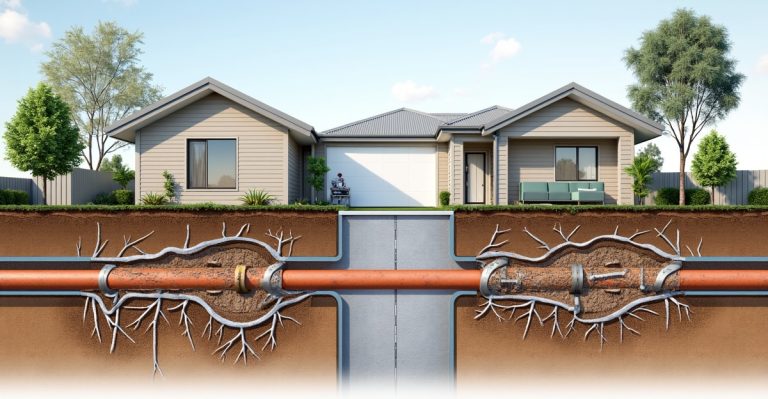
If you’ve tried clearing the drain and the problem keeps coming back—or you’re dealing with multiple slow drains around your home—it could point to a deeper issue in the plumbing system. We’ve seen cases in Sydney homes where recurring clogs were actually caused by cracked pipes, tree root intrusion, or misaligned plumbing beneath the slab.
In those cases, solutions like pipe relining—or understanding what to expect during a bathroom demolition—might be more appropriate than repeat DIY efforts. It’s also worth noting that repeated use of harsh chemicals can damage your plumbing over time—so it’s best not to rely on those long-term.
Key takeaway: Blocked shower drains are usually caused by everyday hair and soap buildup, but they can also be signs of bigger plumbing issues. Knowing the warning signs early gives you the best chance to fix it fast—and avoid bigger repair bills down the track.
Need help figuring out what’s going on with your drain? We’re happy to take a look—just give In House Plumbing a call.
DIY Methods to Unblock a Shower Drain Safely
Once you’ve spotted the signs of a blocked shower drain, the next step is getting it flowing freely again—without causing damage or turning your bathroom into a science experiment. The good news? You likely already have what you need at home to give it a go.
Start with Simple Tools (Plunger, Drain Snake)
Before you reach for chemicals, try the classics. A plunger and a drain snake are go-to tools for minor shower blockages—and they’re surprisingly effective when used correctly.
- Plunger: Fill the shower base with just enough water to cover the plunger cup. Position it directly over the drain and plunge firmly several times to create suction. This can often loosen shallow blockages caused by hair or soap gunk.
- Drain snake (or drain auger): These flexible, coiled tools are perfect for deeper clogs. Insert the snake slowly into the drain and twist the handle as you push. Once you feel resistance, rotate and pull back gently—often you’ll extract a tangled clump of hair buildup in the drain.
Tip: You can also use a bent wire hanger as a DIY mini snake in a pinch—just be gentle to avoid scratching your drain.
Homemade Solutions (Baking Soda & Vinegar)
If you prefer to avoid harsh chemicals (and the risk of damaging your pipes), the old baking soda and vinegar combo still holds up as a natural cleaning solution.
Here’s how to do it:
- Pour ½ cup of baking soda directly into the dry drain.
- Follow with 1 cup of white vinegar.
- Let the mixture fizz for 10–15 minutes—this reaction helps break down gunk and grease.
- Rinse with a full kettle of boiling water.
This method is safe for most plumbing systems and works best for early-stage clogs. It’s also a great monthly maintenance routine to keep your shower drain clear.
Avoiding Damage to Your Pipes
DIY fixes are great—but not if they lead to costly repairs down the track. Here’s how to stay safe:
- Skip boiling water if you have PVC pipes. Boiling water is fine for metal pipes, but it can warp PVC. Use very hot tap water instead.
- Don’t overuse chemical drain cleaners. While tempting, harsh products can corrode your pipes and create long-term issues.
- Be gentle with tools. Forcing a drain snake or makeshift tool too hard can crack or dislodge fittings, especially in older Sydney homes with aged pipework.
If you’ve tried a few of these methods and your drain is still misbehaving, that’s a sign it’s time to bring in a professional.
Key takeaway: You don’t need to be a plumber to handle a minor shower blockage—just a bit of patience, a few household tools, and the right technique. But if the problem keeps coming back, it might be more than just surface gunk.
Still stuck? We’re happy to take a look—call In House Plumbing for fast, local help across Sydney.
When to Call a Professional Plumber
DIY methods can be great for clearing minor blockages, but there comes a point where persistence turns into frustration—and potentially, bigger problems. If your shower drain is still slow or blocked after trying the basics, it may be time to get a licensed plumber involved.
Signs DIY Isn’t Enough
Not sure whether to keep trying or call in help? Here are a few signs that the problem might go deeper than surface-level buildup:
- The blockage keeps coming back. If your shower drain seems fine for a few days, then clogs again, you could be dealing with a deeper issue in the plumbing line—not just hair or soap scum.
- Multiple drains are backing up. If your shower, bathroom sink, or toilet are all slow at the same time, the issue may be in your main drain, not just the shower.
- Strange noises or smells persist. Gurgling sounds, persistent odours, or bubbling water can all point to more serious pipe blockage causes.
- You’ve tried everything and nothing works. That’s your cue: “What if it’s more than just a clogged drain?” or “Is there a long-term solution to recurring drain blockages?”—these are the moments when professional tools and experience matter most.
Why Hire a Licensed Plumber in Sydney
Hiring a licensed and insured plumber in NSW means peace of mind. At In House Plumbing, we’ve helped countless Sydney homeowners who spent days battling a blockage, only for it to take us 30 minutes to fix with the right equipment.
Here’s what sets a professional plumber apart:
- Expert diagnosis: We don’t guess. We use cameras and diagnostic tools to find exactly what’s causing the issue.
- Efficient solutions: Whether it’s snaking the line, hydro jetting, or pipe relining, we match the solution to the problem—not the other way around.
- Upfront quotes, no hidden fees: You’ll always know what the job costs before we start—transparent plumbing quotes are part of our promise.
- Respect for your home: We’re tidy, on time, and we clean up after ourselves—every job, every time.
And because we’re a local plumber trusted by homeowners across Sydney, we understand the unique quirks of older pipe systems in suburbs like Marrickville, Balmain, and North Shore.
Emergency Plumbing Help When You Need It
When the water won’t drain, the smell won’t go away, and it’s all happening right before guests arrive—that’s when you need fast, reliable help.
We handle all types of plumbing emergencies, including:
- Sudden shower drain blockages with standing water
- Overflowing or leaking drains
- Clogged pipes causing backups into other fixtures
Key takeaway: If the DIY tricks aren’t working—or you’re dealing with repeated blockages, odd smells, or multiple clogged drains—it’s time to bring in a pro. A licensed Sydney plumber has the tools, training, and experience to sort it out properly and prevent it happening again.
Need help fast? Call In House Plumbing today—we’re here when your shower isn’t.
Conclusion: Simple Fixes, Professional Help When Needed
Unblocking a shower drain at home doesn’t have to be complicated. In many cases, a basic plunger, a bit of baking soda and vinegar, or a quick go with a drain snake is all it takes to get things flowing again. These DIY methods are safe, affordable, and often all you need for minor clogs caused by hair buildup, soap scum, or slow draining water.
But if the blockage keeps coming back, spreads to other drains, or just won’t shift no matter what you try, it’s time to look beyond the quick fixes. Plumbing issues left unresolved can lead to bigger damage down the line—something our Sydney bathroom upgrade planning tips help you avoid from the start.
At In House Plumbing, we’re here when your drain needs more than a home remedy. Our licensed Sydney plumbers are experienced, respectful, and ready to help—whether it’s a one-off callout or part of a long-term maintenance plan.
Still stuck? We’re happy to take a look—call In House Plumbing today for for urgent help for blocked drains and fast, local service that gets the job done right the first time.
Frequently Asked Questions
Recurring blockages are often caused by a combination of hair, soap scum, and product buildup collecting just below the drain. Even if you clear it once, the residue left behind can cause future clogs to form quickly. If it keeps happening, it may signal a deeper issue further down the pipe, such as a partial obstruction or narrowed pipes—especially in older Sydney homes.
You can absolutely try to unblock your shower drain yourself—though for persistent issues, learning how to fix a blocked shower drain in Sydney with professional support might be the better route. However, if you’ve tried those steps and your drain is still slow or backing up, it’s best to call in a licensed plumber. Persistent issues often require professional tools to diagnose and clear properly.
The safest and most eco-friendly method is a mix of baking soda and white vinegar. Pour ½ cup of baking soda into the drain, followed by 1 cup of vinegar. Let it fizz for 10–15 minutes, then rinse with hot water. This method is gentle on your pipes and effective for breaking down grime and soap residue—great for regular maintenance, too.
Prevention is all about routine. Use a drain strainer to catch hair before it goes down the drain, and clean it regularly. Avoid rinsing oily products or excessive soap residue down the shower. You can also do a monthly baking soda and vinegar flush to keep things flowing smoothly. And if you’re managing a busy household or multiple tenants, consider scheduled plumbing maintenance for peace of mind.
If DIY hasn’t worked—and especially if the blockage keeps coming back—it’s time to bring in a professional. The issue might be deeper in the system, such as a tree root intrusion, collapsed pipe, or heavy buildup that requires hydro jetting. At In House Plumbing, we use camera inspections and advanced tools to find and fix the problem fast.
Need a second opinion? We’re happy to take a look—just give us a call.