How to Extend Plumbing Lifespan After a Renovation

After finishing a bathroom renovation, many assume the plumbing won’t need any attention for a long time. But regular checks and smart habits go a long way. Small steps can keep your plumbing in great shape and help you avoid costly problems. Whether it’s spotting early warning signs or managing Sydney’s water pressure trends, proper care keeps your setup working as it should.
Key Takeaways
- Inspect for leaks, low pressure, or slow drains right after the project wraps up. Early fixes stop bigger issues before they start.
- Avoid strong chemical cleaners. Stick with proven methods like cleaning out trap waste and installing drain screens. These prevent build-up and blockage over time.
- Monitor water pressure closely. High-pressure zones—like Hornsby and Parramatta—often need pressure-limiting valves to stay within safe levels.
- Follow a steady maintenance schedule: monthly for quick checks, every six months for deeper inspections, and yearly tune-ups to prevent surprise repairs.
- Reach out to a licensed plumber if you hear odd noises, notice unexplained increases in your water bill, or smell dampness. Acting early protects your home and saves money.
We approach bathroom plumbing with long-term care in mind. With the right attention, your newly renovated space will remain efficient and worry-free.
What to Check Right After Your Renovation (To Avoid Hidden Plumbing Problems)
Once your bathroom renovation’s finished and the dust has settled, the first thing we always recommend is a thorough plumbing check. Even a well-done reno can hide issues that don’t show up until weeks or months later—and by then, you could be looking at water damage, mould, or costly repairs. Proper post-renovation plumbing care starts with a few key inspections.
Key Checks to Do Straight Away
Here’s what we look at immediately after a new bathroom’s completed:
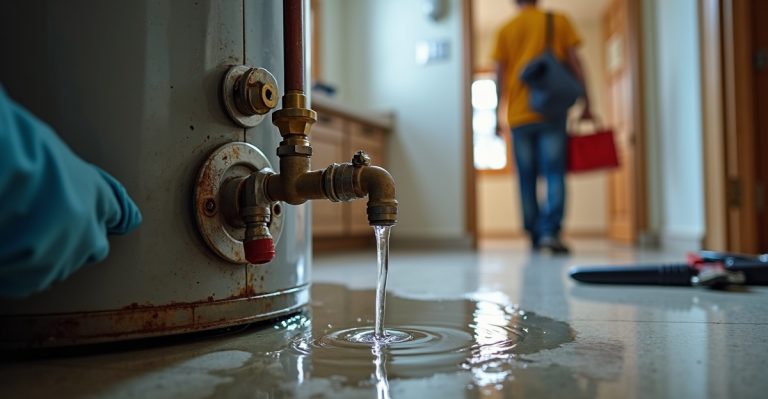
- Visible leaks – Check around sinks, toilet bases, taps, and under vanities. Even a slow drip adds up fast.
- Water pressure – Low pressure might point to debris in the pipes. In contrast, Sydney suburbs like Hornsby or Parramatta often experience high pressure, which can wear out new fixtures quickly if a pressure-limiting valve wasn’t installed.
- Drainage speed – If the water pools when you shower or drains slowly at the basin, something might be blocking the trap or pipe.
- Unfamiliar sounds – Gurgling, banging, or whistling can hint at trapped air or incorrect pipe gradients.
We recently helped a homeowner in Leichhardt who’d just finished up a great-looking reno. They called us about a strange dripping sound. Turned out, a vanity pipe hadn’t been sealed completely. Left unchecked, it would’ve led to water damage inside the cabinetry within weeks.
In strata or commercial spaces, the stakes are higher. Property managers should walk through a short checklist after any bathroom upgrade. Make sure:
- Water meters stay steady
- No noise complaints are trickling in from tenants
- Every fixture works as expected across shared areas
Not sure what to look for? We offer quick plumbing inspections in Sydney to confirm everything’s in working order post-reno.
Everyday Habits That Make All the Difference
Regular use is where good plumbing shows its quality—or cracks. Plenty of small habits can either protect your new bathroom or cause gradual wear.
Simple Habits to Keep Plumbing Flowing
Here’s a no-fuss checklist to help you manage your new bathroom:
- Avoid chemical drain cleaners. They can corrode new pipework quickly.
- Clean drain traps monthly—especially under sinks and showers.
- Never flush wet wipes, cotton buds, or other non-flushables (even in commercial settings like cafés or clinics).
- Use drain screens. They stop hair and soap scum from heading down the pipes.
- Fix dripping taps straight away. A slow leak can damage tapware or stain tiles over time.
Local tip: In places like Penrith or Campbelltown where water hardness is higher, mineral build-up can affect tap flow. Clean your faucet aerators every few months with a quick soak in vinegar.
Looking for more bathroom plumbing maintenance tips? We cover the essentials in our article on how to prevent blockages in a new bathroom.
Recognising the First Signs of Trouble
The earlier you catch an issue, the cheaper and easier it is to fix. Many plumbing problems announce themselves subtly. You just need to know what to look (and listen) for.
Watch for These Warning Signs
- Drop in water pressure – May signal a faulty valve or debris trapped in a line.
- Discoloured or smelly water – Could point to rusted pipes or a backflow issue.
- Water bill creeping up – Even small hidden leaks can waste a lot of water.
- Cracking grout by fixtures – Often caused by moisture leaking behind tiles.
- Odd noises after hours – Gurgling or dripping in walls might be caused by poor pipe venting or a partial blockage.
For strata managers, these signs can come from tenant reports—sometimes just a comment like “Our pipes sound weird at night.” That’s reason enough to send us in for a look.
Not sure what’s going on with your pipes? We’re happy to take a look—and we always explain things clearly so you’re never guessing.
Set a Maintenance Routine That Actually Works
Ongoing care doesn’t need to be exhausting. A simple schedule will keep you on track and help extend the lifespan of your pipes and fixtures.
Suggested Maintenance Timeline
- Monthly
- Clean and inspect under-sink traps.
- Run showers and taps to test pressure and flow.
- Every 6 Months
- Look around taps, toilets, and walls for any leaking signs.
- Test hot and cold pressure levels.
- Descale and clean showerheads and tap aerators.
- Yearly
- Book a professional plumbing inspection.
- Flush out water heaters.
- Reseal around fixtures if needed.
Sydney’s climate shifts from hot, dry summers to cooler winters, which can cause pipe joints—especially in older areas like the Inner West—to contract or flex over time. That’s why we recommend syncing plumbing checks with your broader home maintenance tasks.
Need help keeping track? We’ve created a handy checklist that covers the routine above. Let us know and we’ll send it your way.
Know When It’s Time to Bring in a Pro
There’s a point where DIY and watching things “just in case” go too far. Calling a licensed plumber early can save heaps in later damage and fixes.
Times When It Makes Sense to Call Us
- After any reno if you don’t know what’s been shifted or covered up behind walls
- Unexplained water bill spikes or pressure drops
- Persistent damp smells with no visible mould or stains
- Commercial bathrooms (like at a Redfern café or Parramatta clinic) that must stay compliant while handling high foot traffic
In situations like these, half an hour with a reliable plumber in Sydney can save you thousands. And we keep things transparent—upfront pricing, honest advice, and return visits if anything isn’t right.
Don’t ignore uncertainty. We’re happy to confirm everything’s solid after your reno—or step in quickly if something’s not.
Local Wisdom: What We’ve Learned from Sydney Bathrooms
We’ve restored, repaired, and upgraded plumbing right across Sydney. Every home and business has its quirks—but they all teach something useful.
Lessons from Real Jobs Around Sydney
- Balmain Federation Home
A partial reno added modern PVC pipes to a clay pipe system. But corners were cut sealing the joints. Months later, damp patches showed up under the laundry tiles. We replaced the connectors and used trenchless techniques to minimise disruption. Lesson: Always check compatibility between old and new pipe materials. If you’re unsure, our guide on choosing the right pipe material can help. - Parramatta Strata Unit
The body corporate kept getting night-time noise complaints after a bathroom upgrade. We traced it to a faulty mixer tap incorrectly installed. The pressure imbalance created vibration in the wall. Swapping in a compliant unit stopped the issue. Lesson: Even small fixture installs need a pressure check—especially in multi-tenant buildings. - Redfern Café
A recently renovated café had ongoing drain backups within months. Through grease trap inspection and a CCTV pipe scan, we spotted poor post-reno cleaning and a pipe misalignment. After fixing the grade and setting up a routine clear-out plan, the business stayed open without interruption. Lesson: Commercial spaces need a solid sewer pipe setup or risk major shutdowns.
Whether it’s a quick check-up or help with a new issue, our team is happy to help. Talk to a local Sydney plumber you can trust—call In House Plumbing today.