How to Detect a Hidden Water Leak

Hidden water leaks can cause serious damage before we even know there’s a problem. Subtle signs like musty odours, warped floors, or unexplained spikes in water bills often go unnoticed until it’s too late. By spotting these warnings early—either through simple checks at home or by noticing changes near your walls, ceilings, and fixtures—we can prevent expensive repairs and long-term damage.
Key Takeaways
- An increased water bill without any added usage is a strong indicator of a hidden leak.
- Damp, earthy smells, mould where there shouldn’t be, or bubbling and peeling paint may all point to water damage inside walls or floors.
- Leaks often show up in areas like behind bathroom tiles, under laundry room floors, or near older water heaters.
- Easy tests—like watching the water meter for activity when no water is running, or feeling walls for damp patches—can help confirm suspicions.
- If signs continue or we need answers fast, contacting a licensed plumber with leak detection tools is the smartest move.
Hidden Water Leak Signs You Shouldn’t Ignore
Spotting hidden water leak signs early can save you serious stress – and money – down the track. Some leaks brew quietly behind walls, under floors, or in ceilings for months before you see visible damage. By then, it’s often already costly to fix. To keep ahead of trouble, here’s what to keep an eye (or ear, or nose) out for:
Early Signs of a Hidden Water Leak
Keep this quick checklist handy if something in your home isn’t feeling quite right:
- A sudden or unexplained spike in your water usage – a common clue of hidden leaks and one of the major high water bill causes
- Musty or damp smells, especially in windowless bathrooms, laundries, or under kitchen cabinets – a typical musty smell in house water leak
- Mould showing on internal walls or discoloured ceiling patches – key signs of a water leak in walls
- Peeling paint, bubbling wallpaper, or timber that’s starting to warp or lift
- The sound of water running quietly when no taps or appliances are on
Real example: A homeowner in Marrickville noticed a musty smell under their laundry sink. At first, they blamed it on last week’s rainy weather. But a quick look showed soft plaster at the back of the cabinetry—moisture from a leaking pipe for weeks. By acting early, they avoided serious repair work to neighbouring walls.
Don’t wait for puddles to appear. These early signals mean it’s time to investigate.
Common Causes of Hidden Leaks Around Sydney Homes
We’ve seen all sorts of common plumbing leaks in Sydney homes – from quiet drips behind bedroom walls to split copper pipes under kitchen floors. Most leaks are caused by wear and tear or past DIY plumbing gone wrong.
Where They Hide
Leaks pop up more in certain spots:
- Behind walls near bathrooms and kitchens
- Under laundry floors
- Inside ceilings under upstairs showers or baths
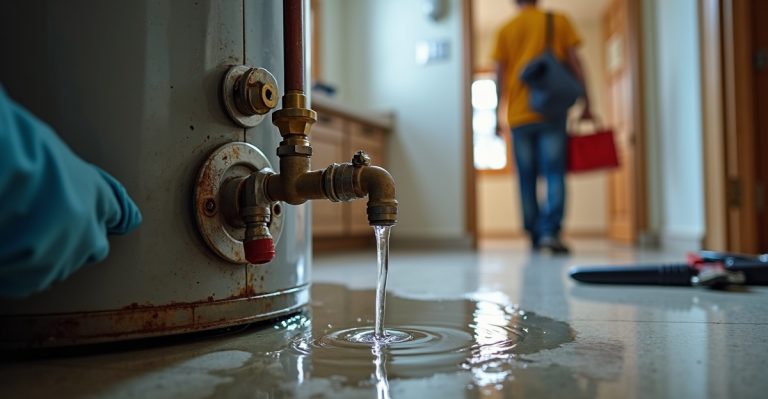
- Around old hot water units
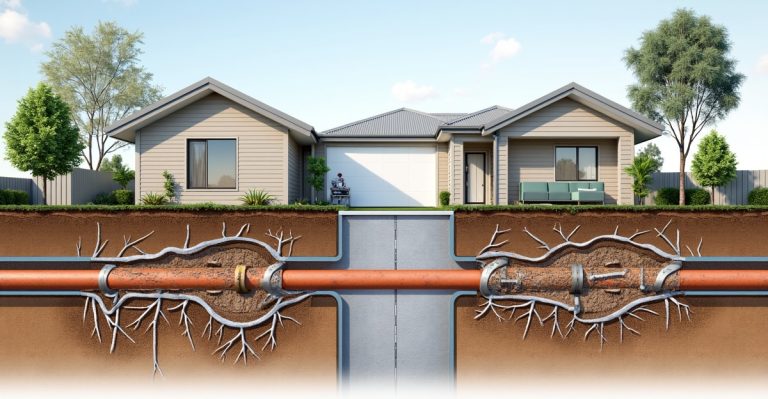
- In outdoor pipes close to trees
Why They Start
Some of the usual suspects we deal with:
- Corroded or rusty pipes in Sydney homes built pre-1990, especially in the Inner West and Eastern Suburbs
- Tree roots creeping into cracked joints—particularly a problem in places like Randwick or Balmain with clay-heavy soil and older terracotta drains
- Faulty work during renovations—like incorrect joins or poor-quality pipe materials
- Constant water pressure shifts, causing small splits or leaks near bends
In free-standing houses, you’ve usually got more access to pipes. In apartments, things are trickier. If there’s a leak between your unit and another, sorting out strata plumbing leak responsibility is essential before any major work starts. For commercial properties—especially salons or cafes—leak issues can quickly interrupt business. If it smells musty behind the coffee machine, it’s worth checking.
DIY Leak Detection Tips Before Calling a Plumber
Think something’s off? There are a few simple checks to try before getting a plumber in. No fancy tools needed.
Quick Home Checks
Run through these easy steps:
- Turn off all taps, appliances, and water-using devices. Then check your water meter. If it’s still ticking over, that’s a sure sign water’s moving somewhere it shouldn’t.
- Give any rooms with plumbing a sniff test. A consistent musty smell? Could mean dampness hiding behind surfaces.
- Gently tap on walls or skirting boards. A hollow or oddly soft sound might signal damage from moisture.
- Take a sheet of toilet paper and run it along exposed pipes under the sink or laundry tub. If it gets wet—there’s your drip.
If nothing turns up, but you’re still not convinced, some leaks are just too well hidden. In that case, our Sydney leak detection pros can help pinpoint it fast.
When It’s Time to Call in a Local Plumbing Pro
Some problems are simply beyond DIY. If you notice any of the following, call someone qualified:
- There’s a mould patch that keeps returning no matter how much spray and scrubbing you throw at it
- The bathroom tiles or hallway flooring feel warmer than other spots—might mean a hot water line leak under the slab
- Your water bill has doubled, and you’ve already ruled out household habits
- You can’t figure out how to find hidden water leaks even after basic checks
Left too long, the damage stacks up fast. Wet wood means rot, which welcomes termites. Constant damp can also wreck carpets, gyprock, or even weaken wall frames.
Licensed plumbers like us use smart tools—thermal cameras, moisture sensors, and acoustic listening gear—to carry out a plumbing inspection for water leaks without tearing up your kitchen or bathroom upfront.
Need help fast? Our licensed plumbers are ready to check your Sydney home today.
What Happens If You Let a Leak Linger?
Ignoring a leak doesn’t make it go away—it lets the damage grow behind the scenes. Here’s what we commonly see after hidden leaks are left too long:
- Swollen cabinetry and mouldy bathroom cupboards
- Dripping from ceilings into light fixtures or wall outlets
- Water-damaged floorboards that buckle or turn black
- Gyprock repairs, skirting board replacements, or carpet re-laying—sometimes topping $10,000
- Landlords getting complaints from tenants about health issues caused by moisture and mould
In many cases, local building insurance won’t cover damage from a leak that could’ve been found earlier.
Fix Early vs. Fix Later: What It Might Cost
| Issue | Fix Early | Fix Later |
|---|---|---|
| Leaking pipe under sink | $200–$400 | $1,500+ (cabinet and wall repairs) |
| Drip in bathroom ceiling | $250–$600 | $3,000+ (gyprock, painting, potential electrical fixes) |
Thinking it might be a leak? Our Sydney plumbers are just around the corner.
How We Help Sydney Homes Stay Leak-Free
We’ve helped families from Ryde to Rockdale stop small plumbing leaks before they became renovation-level problems. Our approach is practical, clear, and focused on real results.
Here’s what we do:
- Use modern tech to track hidden moisture without damaging tiles or walls
- Offer proper slab leak detection if floors feel warm or lift unexpectedly
- Provide honest quotes with no pressure, and explain what we find in plain English
- Work with strata, real estate agents, and homeowners to get to the root of the issue fast
Whether it’s water leak detection, pipe repairs, or advice around leaking pipe detection in Sydney, we sort it properly.
Noticed something off? We’ll check it properly and let you know what’s really going on—no pressure.