9 Ways to Fix a Blocked Shower Drain in Sydney

Can’t shower because the water’s not going down—or worse, backing up and smelling like last week’s leftovers? A blocked shower drain is one of those everyday hassles that quickly turns into a full-blown plumbing headache if left unchecked. But the good news? Many clogs can be cleared at home with a few simple tools and smart techniques.
In this guide, we’ll walk you through nine practical, DIY-friendly ways to fix a blocked shower drain—plus how to know when it’s time to call in a local Sydney plumber for backup.
Whether it’s hair buildup, soap scum, or just too much use over time, we’ve got you covered.
Here’s what we’ll explore:
- What Causes a Blocked Shower Drain?
- Signs Your Shower Drain Is Blocked
- 9 DIY Methods to Fix a Blocked Shower Drain
- When to Call a Local Plumber in Sydney
- Pro Tips to Prevent Future Shower Drain Blockages
- Need a Quick Fix or Expert Help? We’re Local.
First, let’s understand what actually causes your shower drain to block in the first place.
What Causes a Blocked Shower Drain?
A blocked shower drain can sneak up on even the tidiest household—and once it’s there, it quickly disrupts your daily routine. But before diving into fixes, it helps to understand what’s actually causing the problem. In most Sydney homes, the culprits are a mix of everyday use, environmental factors, and plumbing wear over time.

Common Culprits: Hair, Soap Scum & Build-Up
The number one offender in most blocked shower drains? Hair. Long or short, wet hair sheds easily during showers and tends to cling to the inside of the drain. Over time, it tangles and forms clumps that trap other debris—like soap scum and dead skin—leading to a slow or completely blocked drain. Learn more about how hair impacts your drains and ways to prevent it.
Soap residue is another common contributor. Most soaps are made with fats or oils, which can combine with minerals in the water and harden inside your pipes. Add in body wash, shampoo, conditioner, and shaving cream, and you’ve got a sticky cocktail that builds up fast.
Even if you clean the visible part of your shower, deeper buildup inside the pipe can be out of sight but growing steadily—especially if your household includes kids, pets, or guests using the bathroom regularly. In some cases, a plumbing inspection may be the best way to identify deeper issues.
Here are the top everyday causes of blocked shower drains:
- Hair accumulation (especially long or curly hair)
- Hardened soap scum mixed with mineral deposits
- Shaving cream and other grooming product residue
- Dead skin cells and grime washed off in the shower
- Foreign objects like razor caps, small toys, or earrings (it happens!)
Sydney-Specific Factors (Hard Water, Seasonal Use)
If you live in Sydney, you’re likely familiar with Sydney shower drainage problems, thanks to local water conditions and seasonal use. First, Sydney water tends to be moderately hard—which means it carries more minerals like calcium and magnesium. These minerals can bind with soap, forming a stubborn, chalky buildup inside pipes.
During Sydney’s hotter months, shower usage usually increases—whether it’s more frequent rinses after the beach or simply hotter days driving more water use. The more you use the shower, the faster residue builds up.
Some older Sydney homes may also have narrower or slightly misaligned pipes, making it easier for buildup to cling and harder for water to flush everything through.
Takeaway: Most blocked shower drains start with hair and soap, but in Sydney, hard water and heavier seasonal use can speed things up—making it even more important to tackle clogs early and keep your drain clean.

Before You Start: Check for These Signs
Before you reach for the plunger or head to Bunnings for drain cleaner, take a moment to confirm that you’re actually dealing with a blocked shower drain. While some symptoms are obvious, others can be easy to overlook—especially if the problem is just starting.
Here’s a quick checklist of the most common signs that your shower drain needs attention:
Water Pooling or Draining Slowly
This is often the first red flag. If you’re finding yourself ankle-deep in water halfway through a shower, or if the water takes noticeably longer to drain after you turn off the tap, there’s a good chance a blockage is forming. Slow drainage usually points to a partial clog that’s getting worse with every use.
Unpleasant Odours from the Drain
A bad smell coming from your shower drain isn’t just unpleasant—it’s a red flag, and you can learn how to prevent bathroom drain odours effectively.
Often, it means that soap scum, hair, and other organic matter are decomposing inside the pipes. In Sydney’s warmer months, these smells can intensify quickly, making your bathroom feel less than fresh.
If you’ve cleaned the surface of your shower and the smell is still there, the issue is likely inside the drain—and it’s worth acting before it worsens.
Gurgling Sounds or Water Backing Up
Strange noises coming from the drain—like gurgling, bubbling, or even a “glug-glug” sound—suggest trapped air in the pipes. This usually happens when a blockage is interfering with normal water flow and air can’t escape smoothly. In more severe cases, water from one part of your home (like the sink or washing machine) might back up into the shower. That’s a clear sign the blockage may be deeper—our blocked drain solutions page can help you understand the next steps.
Quick Shower Drain Blockage Checklist:
- Water pools at your feet or drains slowly
- Foul smells persist around the drain
- Gurgling sounds when water is running
- Water backs up into the shower from other drains
- You’ve tried cleaning the surface, but symptoms remain
Takeaway: If you’ve ticked off one or more of these signs, it’s time to take action. Acting early can often save you time, stress, and the cost of a bigger fix down the track.
9 DIY Ways to Fix a Blocked Shower Drain
If your shower drain blocked, you don’t always need to call in a plumber straight away. Many minor blockages can be handled at home with a few simple tools and a little patience—check out this step-by-step shower drain unblocking guide for helpful instructions.
Below are nine DIY methods for how to unblock a shower drain—starting with the easiest—that you can try before reaching for the phone.
Note: Always wear gloves when handling debris or chemicals, and stop if anything feels unsafe or beyond your comfort zone.

1. Remove Visible Hair and Debris by Hand
Sometimes the fix is right at the surface. Hair often clings just beneath the drain cover and can be pulled out manually.
How to do it:
- Pop off the drain cover using a screwdriver (if needed)
- Use gloves and a small plastic hook or wire to pull out hair and gunk
- Dispose of the debris in the bin—not down the drain
Best for: Shallow clogs, slow drainage
When to skip: If nothing is visible or easily accessible

2. Use a Drain Snake for Deeper Blockages
A drain snake (also called a plumbing auger) is a flexible tool designed to reach and dislodge blockages deeper in the pipe.
Manual vs. Electric:
- Manual snakes are ideal for light use
- Electric versions are better for tougher, deeper clogs but require caution
How to do it:
- Insert the snake into the drain until you feel resistance
- Rotate slowly to hook and break apart the clog
- Pull the debris out and run water to test flow
Best for: Hair tangles or soap scum deeper in the line
When to skip: If you’re not comfortable using tools inside piping

3. Try Boiling Water (Carefully)
This method is simple but surprisingly effective for soft, greasy clogs caused by soap or conditioner buildup. However, not all pipes can handle extreme heat. For instance, boiling water may warp or damage PVC pipes, so be cautious and check your piping type first.
How to do it:
- Boil a full kettle of water
- Slowly pour it down the drain in two or three stages
- Wait a few minutes between each pour
Best for: Light soap residue clogs
When to skip: If your pipes are PVC—boiling water may cause warping

4. Baking Soda and Vinegar Combo
This natural remedy is a safe and eco-friendly way to break down mild buildup.
How to do it:
- Pour ½ cup of baking soda down the drain
- Follow with 1 cup of white vinegar
- Let it fizz for 10–15 minutes, then flush with hot (not boiling) water
Best for: Mild clogs, regular maintenance
Caution: Don’t mix with chemical cleaners—it can cause reactions

5. Use a Plunger (Yes, It Works in Showers Too!)
A plunger works by creating pressure to dislodge the blockage.
How to do it:
- Seal the overflow hole (if there is one)
- Fill the shower base with enough water to cover the plunger’s cup
- Plunge firmly 10–15 times
Best for: Light to moderate clogs
Tip: Use a flat-bottomed plunger for best results

6. Eco-Friendly Enzyme Cleaners
These cleaners use natural bacteria to eat away at organic matter without harming your pipes or the environment.
How to do it:
- Follow the product instructions—usually involves pouring in at night and flushing in the morning
Best for: Maintenance or mild organic buildup
When to skip: For immediate results—this takes time to work

7. Remove the Drain Cover and Clean Inside
Grime often hides just below the drain grate or in the trap.
How to do it:
- Unscrew or pry off the drain cover
- Use a cloth or small brush to scrub the walls of the drain
- Rinse with hot water
Best for: Grime and debris just below the surface
Caution: Don’t damage sealant or fixtures—be gentle

8. Wet/Dry Vacuum to Suck Out Blockages
If you have a wet/dry vacuum, it can be used to suck clogs out of the pipe.
How to do it:
- Set the vacuum to wet mode
- Create a tight seal over the drain with a rag
- Turn it on for 10–15 seconds to attempt suction
Best for: Deep, loose blockages
Caution: May not work for solid or greasy clogs

9. Flush the Pipes with a Hose (Where Safe)
In some cases, especially with outdoor or accessible pipework, flushing can help move blockages through.
How to do it:
- Feed a hose down the drain opening
- Turn it on gradually, allowing pressure to push the blockage
- Avoid using excessive force—start slow
Best for: Outdoor-accessible drains or known build-up spots
When to skip: If your bathroom setup doesn’t allow easy hose access
Takeaway: Start with the simplest methods and work your way up. If none of these options clear your blocked shower drain, it may be time to consider professional shower drain cleaning Sydney services. But for many Sydney homes, these nine tricks can get the water flowing again—quickly and safely.

When to Call a Local Plumber in Sydney
Tried every DIY method and your shower drain is still blocked—or worse, getting worse? You’re not alone. Sometimes, what starts as a simple hair clog turns out to be something deeper, more stubborn, or hidden further down the line. When that happens, it’s not a failure—it’s just time to get a pro involved.
Warning Signs It’s Time for Professional Help
While many shower drain issues can be solved with a plunger or a quick cleanout, some symptoms are red flags that the problem is beyond DIY territory. Here’s when it’s best to call a licensed plumber:
- Water backs up into the shower or nearby drains
- Foul smells return soon after cleaning
- You’ve tried multiple methods with no improvement
- Gurgling or bubbling happens across multiple fixtures
- There’s standing water that won’t drain at all
These symptoms might indicate more serious issues such as a clogged sewer line or external drainage fault. Understanding the common causes of sewer backups and how to fix them can help you assess the urgency and next steps.
These signs often point to a more serious blockage—possibly further down the plumbing system or even outside your home. That’s not something you want to keep poking at with a coat hanger.
Why DIY May Not Be Enough (And That’s Okay)
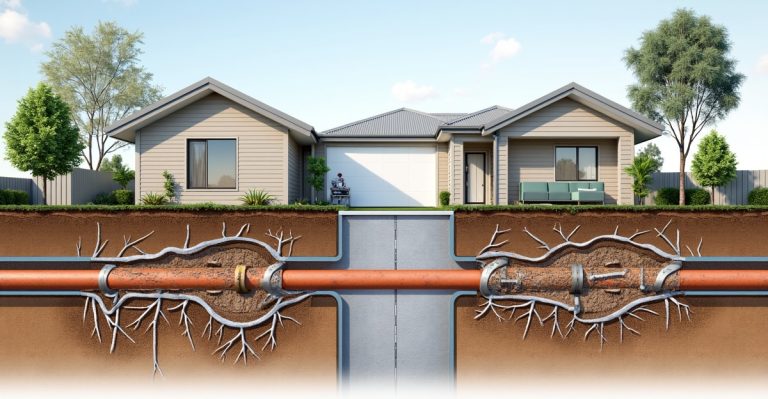
Some blockages are caused by pipe damage, tree root intrusion, or grease build-up that’s hardened over time—none of which you can safely or effectively fix with home tools. And let’s be honest: no one wants to spend their weekend elbow-deep in drain sludge only to end up calling a plumber anyway.
Getting a plumber for clogged shower issues doesn’t mean you gave up—it means you’re choosing the faster, cleaner, and more reliable option. Especially in older Sydney homes or busy households, time matters, and so does peace of mind.
How In House Plumbing Handles Shower Drain Issues
At In House Plumbing, we’ve helped hundreds of homeowners across Sydney—from Inner West terraces to Western Sydney family homes—get their showers flowing freely again. Whether it’s a straightforward blockage or something a bit more complex, we use the right tools and know-how to get the job done without damage or disruption.
We’re clean, respectful, and transparent from the moment you call. No jargon. No hidden costs. Just reliable plumbing service from a local team you can trust.
Takeaway: If DIY hasn’t solved the problem—or you’re just tired of dealing with it—calling a local plumber like In House Plumbing can save you time, stress, and costly mistakes down the line.

Pro Tips to Prevent Future Shower Drain Blockages
Once you’ve cleared your blocked shower drain, the last thing you want is for it to clog up again next week. The good news? A few simple habits can go a long way in keeping your shower running smoothly—and helping you avoid repeat blockages, unexpected smells, or water pooling during your morning routine.
Weekly Hair Catcher Maintenance
Hair is the number one cause of most shower blockages, so the best place to start is right at the source. A hair catcher or drain strainer is a cheap but effective tool that fits over your shower drain to catch loose strands before they go down the pipe.
How to stay on top of it:
- Empty and rinse the catcher once or twice a week (more often if you have long hair or share the bathroom)
- Clean with a mild disinfectant to prevent soap scum build-up
- Replace every few months if it shows signs of wear
It takes less than a minute but can prevent hours of frustration later.
Monthly Eco-Friendly Flush
Think of this like giving your pipes a gentle reset. Once a month, flush your drain with a natural cleaner to break down small blockages before they grow.
Here’s a simple method:
- Pour ½ cup of baking soda down the drain
- Follow with 1 cup of white vinegar
- Let sit for 10–15 minutes, then rinse with hot (not boiling) water
This eco-friendly flush helps dissolve soap residue, grime, and mild buildup—without harsh chemicals.
Watch What Goes Down the Drain
We all rinse more down the drain than we realise—shampoo sludge, shaving cream, bits of plastic packaging, even sand from the beach. Over time, these can all contribute to drain blockages.
What to avoid sending down the drain:
- Clumps of hair (always throw them in the bin)
- Excess soap or body scrub residue
- Small objects (razor caps, earrings, bits of sponge)
- Greasy or oily products like heavy conditioners or bath oils
Tip for Sydney homeowners: If you’re near the coast or have kids who love the outdoors, give your feet a quick rinse before stepping into the shower to reduce dirt and grit getting into the drain.
Takeaway: A few minutes of weekly maintenance and mindful shower habits can save you hours of future plumbing problems. Stay ahead of blockages with simple, consistent care—and your shower (and wallet) will thank you.

Need a Quick Fix or Expert Help? We’re Local.
Tried the DIY fixes but your shower’s still not draining right? Or maybe you’d just prefer a professional to handle it from the get-go—no mess, no stress. Either way, we’ve got you covered.
At In House Plumbing, we’re proud to serve homes and businesses across Sydney, from the Inner West to the outer suburbs. Whether it’s a stubborn shower clog, strange smells, or recurring drainage issues, our friendly local team can sort it quickly, cleanly, and without the runaround.
We show up on time, treat your home with respect, and explain things in plain English—no sales talk, just honest plumbing. And if it’s an emergency, we’re your local emergency plumber for shower drain issues—offering 24/7 service to get your bathroom back in action fast.
Take the hassle out of home repairs.
Get in touch to schedule a service today—we’re here to help, wherever you are in Sydney.
Frequently Asked Questions
Start by removing the drain cover and pulling out as much hair as you can by hand or with a plastic drain hook. If the clog is deeper, a manual drain snake can help break up and retrieve the blockage. Follow up with hot water to flush any remaining debris.
Yes—for mild blockages caused by soap scum or grime, baking soda and vinegar can be a safe and eco-friendly solution. They work best as part of a regular maintenance routine or as a follow-up after physically removing hair and debris.
If you’ve tried multiple methods and the drain is still slow—or you notice water backing up, gurgling sounds in nearby drains, or persistent bad smells—it’s time to call in a professional. These signs often point to a deeper or more complex issue that DIY solutions won’t resolve.
Lingering odours usually mean the blockage wasn’t fully cleared or that there’s buildup further down the pipe. It could also be a sign of bacteria or trapped gunk in the P-trap. If smells return quickly after cleaning, a more thorough professional inspection might be needed.
While they can work in some cases, chemical cleaners can also damage pipes—especially if used frequently or improperly. They’re also harsh on the environment and not always effective for hair-based clogs. For most Sydney homes, we recommend safer methods like enzyme-based cleaners or mechanical removal.
Still have questions or need hands-on help?
We’re just a call away and happy to take a look.