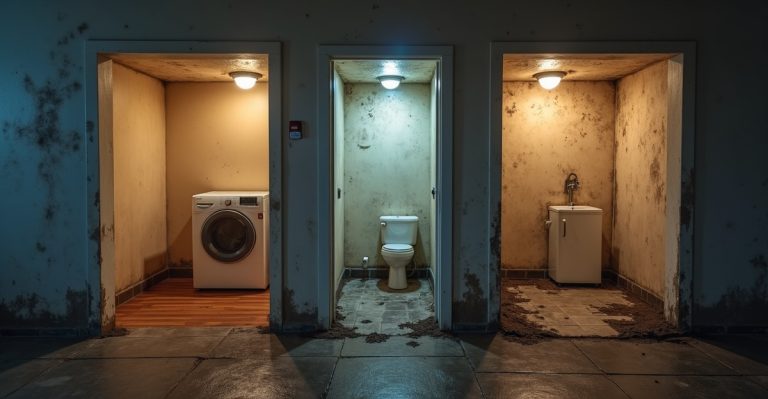
Stormwater Pipes vs. Sewer Lines: What You Need to Know

If you’ve ever wondered why your home has both a stormwater pipe and a sewer line, you’re not alone. Many Sydney homeowners and property managers get confused about which system does what—and that confusion can lead to blockages, flooding, or even compliance issues.
In this article, we’ll break down the differences between stormwater pipes and sewer lines in simple, practical terms. You’ll learn what each system does, the most common problems to watch for, and why understanding the difference matters for protecting your property, staying compliant with council regulations, and avoiding costly repairs.
Here’s what we’ll cover:
- Why This Difference Matters
- What Is a Stormwater Pipe?
- What Is a Sewer Line?
- Stormwater vs. Sewer – Key Differences
- Why Sydney Homeowners Should Know the Difference
- Spotting Problems Early
- Maintenance & Professional Help
- Conclusion – Protect Your Home & Stay Compliant
First, let’s take a closer look at what a stormwater pipe actually is—and why it’s essential for every Sydney property.

Why This Difference Matters
It’s easy to see why people mix up stormwater pipes and sewer lines—they’re both hidden underground and both deal with water leaving your property. But while they may look similar from the outside, they serve very different purposes. When those differences aren’t understood, it can lead to costly repairs, unexpected flooding, or even compliance problems with the local council.
In Sydney, where heavy rain can put extra pressure on drainage systems, knowing which pipe does what isn’t just useful trivia—it’s essential for protecting your home or investment property.
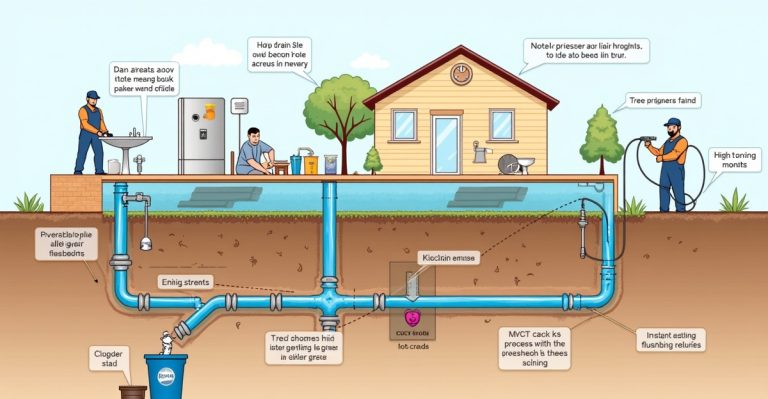
A stormwater pipe carries away rainwater from your roof, driveway, and yard to prevent flooding, while the sewer line is designed to safely remove wastewater from kitchens, bathrooms, and toilets. When these systems are confused—or worse, accidentally connected—the results can be messy, unhealthy, and expensive to fix.
For homeowners and property managers, understanding the distinction helps with everything from spotting the early signs of a blockage to staying on the right side of Sydney Water and council regulations.
Think of it as learning the difference between two roads that look alike but head to completely different destinations: one carries stormwater out to creeks and waterways, the other takes sewage to treatment facilities. Mixing them up is like taking the wrong turn—it can cause problems far beyond your own property.
Key takeaway: By getting clear on the role of stormwater pipes versus sewer lines, you’ll be better prepared to maintain your property, prevent avoidable damage, and know when it’s time to call in a professional.
What Is a Stormwater Pipe?
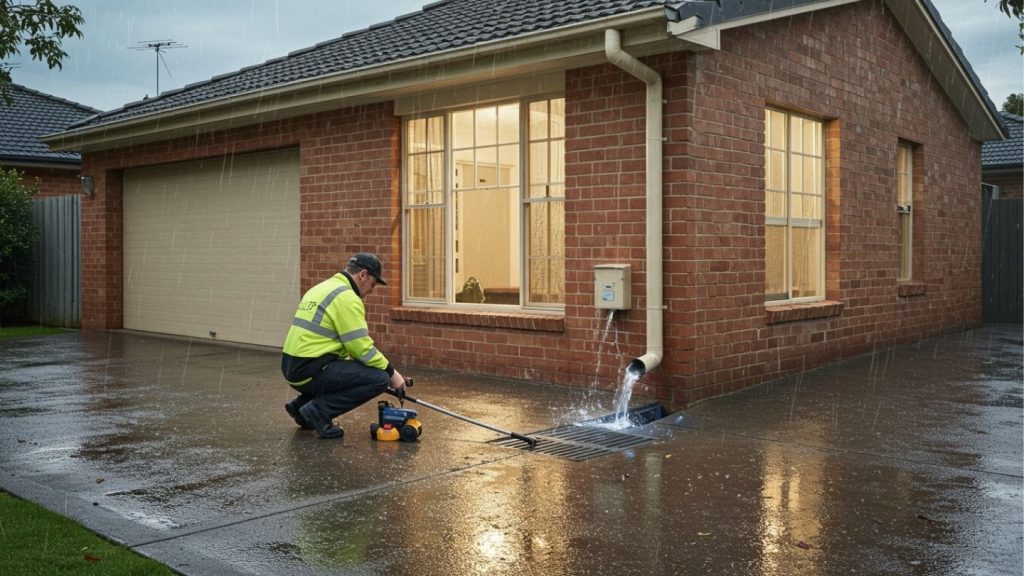
A stormwater pipe is a drainage pipe that carries rainwater away from your property. Whenever it rains in Sydney, water flows from your roof, gutters, and driveways into a network of stormwater drains. These pipes are designed to quickly move that water into council stormwater systems, local creeks, or nearby waterways—helping to keep your yard, home, and streets free from flooding.
For a deeper dive into how stormwater is managed across the city, Sydney Water provides a helpful overview on how stormwater systems work and why they’re essential.
In simple terms, think of a stormwater pipe as your property’s exit route for rainwater. Without it, every heavy downpour could turn into pools of water around your home, damaging gardens, driveways, or even the foundations of your house.
Common Stormwater Pipe Problems
Just like any part of your plumbing, stormwater pipes can run into trouble if not looked after. Some of the most common issues Sydney homeowners face include:
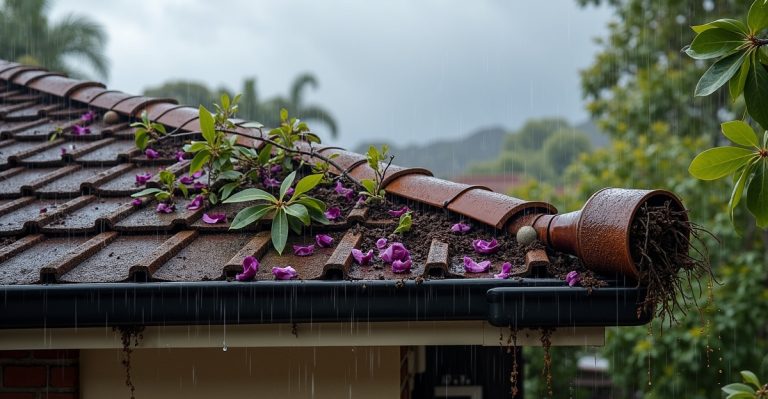
- Blockages – Leaves, soil, sticks, and debris can build up in gutters and downpipes, eventually clogging the stormwater system.
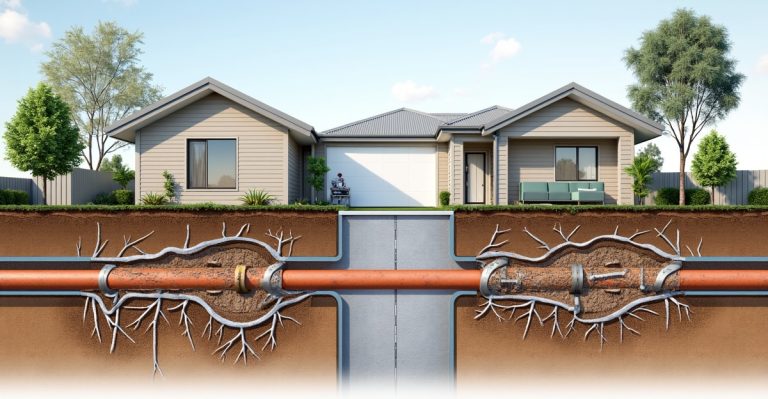
- Cracked or Collapsed Pipes – Older homes with clay pipes are especially vulnerable to tree root intrusion or gradual wear and tear.
- Flooding Risks – When pipes are blocked or damaged, stormwater has nowhere to go. This often leads to pooling around yards, overflowing gutters, or even water seeping into your home.
Keeping your stormwater pipes clear and in good condition isn’t just about avoiding inconvenience—it’s about protecting your property from water damage, particularly during Sydney’s heavy rain events.
For serious flooding or drainage concerns, services like storm drain repair or perimeter drain cleaning can help restore your system’s performance.
Key takeaway: Stormwater pipes are your first line of defence against flooding. Regular checks and maintenance can help you avoid costly damage and keep your property safe when the rain sets in.

What Is a Sewer Line?
A sewer line is the pipe that carries all the used water from inside your home—everything from toilets, sinks, showers, dishwashers, and washing machines—out to the main sewer system. Unlike a stormwater pipe, which only deals with rainwater, the sewer line is designed to safely transport wastewater so it can be treated and disposed of properly.
In Sydney, household sewer connections link into the wider municipal system managed by Sydney Water. From there, sewage is carried to treatment facilities where it’s processed to meet health and environmental standards. This system is essential for public health, preventing contamination and keeping neighbourhoods safe and liveable.
Common Sewer Line Problems
Because sewer lines carry a mix of household wastewater, they’re prone to issues that can quickly escalate if ignored. Some of the most common problems include:
- Blockages – Caused by grease, oils, food scraps, wipes, sanitary items, and other foreign objects that shouldn’t be flushed or drained.
- Sewer Backups and Odours – A blocked or damaged sewer line can push wastewater back into sinks, toilets, or drains, often accompanied by unpleasant smells.
- Tree Root Intrusion – Roots from nearby trees can break into pipes through tiny cracks, leading to clogs, leaks, and eventual pipe collapse.
When a sewer line fails, it’s not just inconvenient—it can become a serious health hazard. That’s why regular maintenance and timely repairs are key to keeping your plumbing system safe and compliant.
Key takeaway: Your sewer line is the hidden workhorse that removes wastewater from your home. Understanding how it works—and spotting early warning signs—can save you from expensive repairs and messy cleanups.

Stormwater vs. Sewer – Key Differences
At first glance, stormwater pipes and sewer lines may look like they serve the same purpose: carrying water away from your property. But in reality, they manage two completely different types of flow. Understanding the distinction is vital for homeowners and property managers in Sydney—because when these systems are confused, misused, or accidentally connected, the results can be costly and unsafe.
Here’s a clear breakdown of how stormwater pipes differ from sewer lines:
| Feature | Stormwater Pipe | Sewer Line |
| Source | Rainwater from roofs, gutters, driveways, and yards | Household wastewater from toilets, sinks, showers, washing machines, dishwashers |
| Destination | Council stormwater drains, creeks, rivers, or ocean | Sydney Water’s sewer network and wastewater treatment facilities |
| Primary Purpose | Prevent flooding and water damage by draining stormwater runoff | Safely transport and treat wastewater to protect public health |
| Common Issues | Blockages from leaves, dirt, and debris; cracked pipes; local flooding | Blockages from grease, wipes, and foreign objects; sewer backups; tree root intrusion |
| Responsibility | Shared between homeowner (on private property) and council (public drains) | Homeowner (on private property) and Sydney Water (main sewer lines) |
| Risks if Neglected | Water pooling, property flooding, structural damage | Health hazards, foul odours, wastewater backing up into the home |
Why Cross-Connections Are Dangerous
One of the biggest risks comes when stormwater and sewer systems are incorrectly linked—known as a cross-connection.
These are illegal in Sydney and across NSW because they can:
- Send untreated sewage into local waterways, polluting the environment
- Overload sewer systems during heavy rain, leading to sewage spills
- Create serious health hazards for households and communities
If you suspect your property has a cross-connection, it’s essential to have it inspected and corrected by a licensed plumber. A thorough drain inspection can help identify these issues before they escalate.
For those managing construction projects, NSW Environment outlines best practices in its Managing Urban Stormwater: Soils and Construction guide (Volume 1), a key resource for compliance and erosion control on sites.
Key takeaway: Stormwater pipes and sewer lines may look similar, but they serve very different purposes. Keeping them separate, well-maintained, and compliant ensures both your property and the wider Sydney community stay safe.

Why Sydney Homeowners Should Know the Difference
In Sydney, where heavy downpours are common, understanding the difference between stormwater pipes and sewer lines isn’t just a technical detail—it’s a necessity. The city’s stormwater system is designed to handle massive volumes of rainwater during storms, while sewer lines are built for steady wastewater disposal.
When one of these systems fails, the consequences can range from backyard flooding to serious compliance issues with Sydney Water or your local council.
Responsibility also plays a big role. As a homeowner, you’re typically responsible for the stormwater and sewer pipes located within your property boundary. Councils and Sydney Water maintain the main systems, but if there’s a blockage or break on your land, it’s up to you to arrange repairs.
This distinction becomes especially important when you’re preparing a property for sale or planning a renovation, as incorrect connections or faulty drainage can delay approvals, reduce property value, or even result in fines.
Council Stormwater Regulations
Sydney and NSW councils enforce strict stormwater regulations to protect both properties and the environment. These rules require stormwater pipes and sewer lines to remain completely separate, with penalties applying if they’re incorrectly connected. For example:
- New builds and renovations must demonstrate compliance before approval.
- Illegal cross-connections can lead to fines and mandatory rectification works.
- Non-compliant drainage may prevent the sale of a property until corrected.
Correct connections aren’t just about ticking a legal box—they safeguard your home from flooding, protect Sydney’s waterways from contamination, and ensure your property meets long-term compliance standards.
Key takeaway: For Sydney homeowners, knowing the difference between stormwater and sewer systems isn’t optional—it’s essential for property protection, legal compliance, and peace of mind during renovations or sales.
Spotting Problems Early
One of the best ways to avoid major plumbing headaches is to catch issues before they escalate. Both stormwater pipes and sewer lines give off warning signs when something isn’t working properly—if you know what to look for. Acting early not only saves money but also spares you the stress of emergency repairs.
Signs of a Blocked Stormwater Pipe
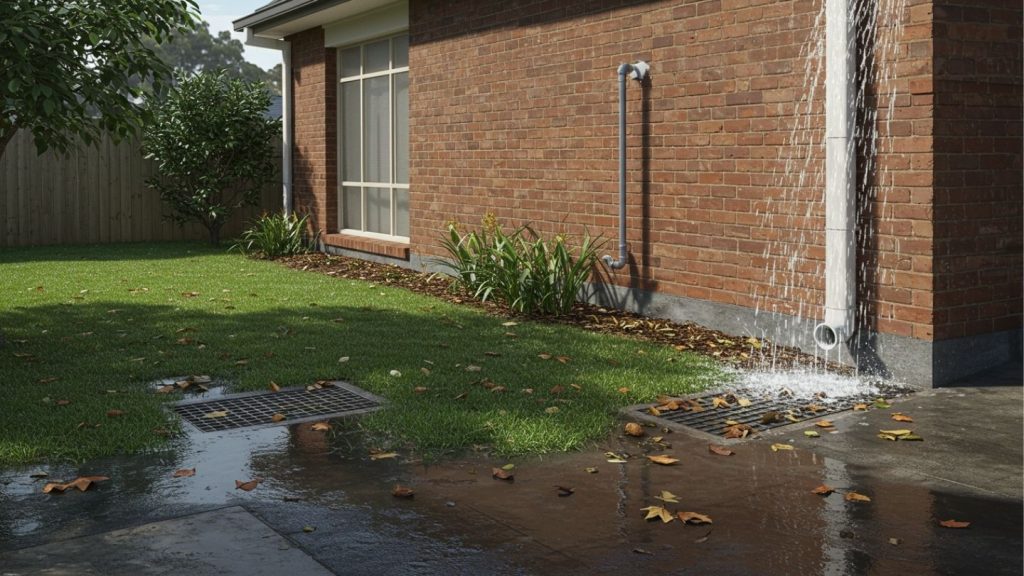
- Pooling water in your yard or driveway after rain
- Overflowing gutters or downpipes, even with light showers
- Damp patches near the home’s foundation, which can weaken structures over time
These symptoms usually point to leaves, dirt, or tree roots clogging the stormwater system. Left untreated, they can lead to flooding and property damage, particularly during Sydney’s heavy rainfall events. For urgent drainage concerns, emergency drain services may be required.
Signs of Sewer Line Issues
- Slow-draining sinks, toilets, or showers that don’t improve with basic clearing
- Unpleasant odours coming from drains, especially in bathrooms or kitchens
- Backups or gurgling noises when using multiple fixtures at once
Sewer problems tend to get worse quickly, and ignoring them can create serious health hazards inside your home.
Key takeaway: If you notice these warning signs, don’t wait for a full-blown plumbing emergency. Addressing stormwater or sewer issues early—especially with urgent stormwater or sewer assistance—can prevent costly damage and keep your home safe and compliant.

Maintenance & Professional Help
A little maintenance goes a long way when it comes to keeping your stormwater pipes and sewer lines in good shape. While some upkeep can be handled on your own, other issues call for a professional plumber with the right tools and expertise.
Simple DIY Upkeep
- Clear gutters and downpipes regularly to stop leaves and debris from clogging stormwater pipes.
- Check your yard drainage after heavy rain—watch for pooling water that could signal a blockage.
- Be mindful of what goes down the drain—avoid flushing wipes, pouring fats and oils into sinks, or putting food scraps through the system.
These small habits help prevent many of the most common problems before they start. If you’re dealing with a stubborn clog, high pressure water clearing for drains is a powerful and non-invasive solution.
When to Call a Plumber
Some situations are beyond a quick DIY fix. You should call a professional if you notice:
- Persistent blockages that don’t clear with basic methods
- Water backing up into sinks, showers, or toilets
- Suspected cracked or collapsed pipes
- Tree root intrusion, which often requires CCTV inspections and pipe relining
Plumbers can also carry out preventative maintenance like drain cleaning, high-pressure jet cleaning, and no-dig pipe relining—solutions that save both time and money in the long run.
Key takeaway: Stay on top of simple upkeep, but don’t wait too long to bring in expert help. Not sure what’s wrong? Book an inspection with In House Plumbing—we’ll find the cause and get your drains flowing smoothly again.

Conclusion – Protect Your Home & Stay Compliant
At a glance, stormwater pipes and sewer lines may look alike, but their roles couldn’t be more different. Stormwater pipes carry rainwater away from your roof, gutters, and driveways to prevent flooding, while sewer lines remove wastewater from your sinks, showers, and toilets so it can be treated safely. Mixing the two—or neglecting maintenance—can lead to flooding, health risks, and even council compliance issues.
For Sydney homeowners and property managers, understanding this difference is about more than plumbing knowledge. It’s about protecting your home from damage, meeting local regulations, and preserving your property’s long-term value.
By spotting early warning signs, keeping up with simple maintenance, and knowing when to call in a professional, you’ll stay ahead of problems and avoid costly repairs.Not sure which system is causing trouble at your property?
Book an inspection with In House Plumbing today—we’ll take the guesswork out and give you clear, professional solutions you can trust.
Frequently Asked Questions
A stormwater pipe carries rainwater from roofs, gutters, and driveways into council drains or natural waterways, while a sewer pipe transports wastewater from toilets, sinks, and appliances to treatment facilities. Mixing the two can cause flooding, pollution, and serious compliance issues.
In Sydney, stormwater flows from your property’s stormwater pipes into the council stormwater system, which directs it to local creeks, rivers, or the ocean. Unlike sewage, stormwater is not treated before discharge, which is why keeping contaminants out of the system is so important.
This is known as a cross-connection, and it’s both illegal and dangerous. A cross-connection can send untreated sewage into local waterways or overload the sewer system during heavy rain, causing backups into homes. Councils and Sydney Water may issue fines and require urgent rectification.
Signs of a blocked stormwater pipe include:
Pooling water in your yard or driveway after rain
Overflowing gutters or downpipes
Damp patches near your home’s foundation
If these symptoms appear, it’s best to have a licensed plumber carry out an inspection before the next storm.
Homeowners are responsible for the stormwater pipes located within their property boundaries. Councils manage the main stormwater drains once the water leaves your land. This means if a blockage or break occurs on your property, you’ll need to arrange repairs.