When Baby Wipes Block Your Toilet (Yes, It Happens)

Ever flushed a baby wipe and thought nothing of it? You’re not alone—and unfortunately, it’s one of the most common causes of a toilet blockage we see across Sydney. What starts as a small, “flushable” convenience can quickly turn into a backed-up bathroom, a nasty surprise, and a call to your plumber.
In this article, we’ll break down why baby wipes cause such serious plumbing issues, how to spot the warning signs early, what you can try yourself, and when it’s time to get professional help. Whether you’re a homeowner, business owner, or property manager, you’ll walk away knowing exactly how to protect your pipes—and your peace of mind.
Here’s what we’ll cover:
- Why Is My Toilet Blocked? Common Causes
- Can Baby Wipes Really Block Your Toilet?
- Signs You Might Have a Blocked Toilet
- DIY Toilet Fixes: What You Can (Safely) Try
- What NOT to Flush: A Quick Checklist
- When to Call a Professional (And Why It Matters)
- Conclusion: Small Habits Prevent Big Headaches
First, let’s understand what’s really going on when your toilet gets blocked.

Why Is My Toilet Blocked? Common Causes
If you’ve ever asked yourself, “Why is my toilet blocked?”, you’re not alone—and you’re definitely not the first Sydney homeowner to deal with an unexpected clog. While it might seem like your toilet just stopped working out of nowhere, blockages are usually the result of something that shouldn’t have been flushed in the first place.
Toilets are designed to handle human waste and a modest amount of toilet paper. That’s it. When other materials go down the drain, they can build up over time or create instant blockages—leading to overflows, unpleasant smells, and the dreaded “nothing’s going down” situation.
Common Household Items That Clog Toilets
In our 20+ years of helping locals across Sydney, we’ve seen all kinds of things cause a clogged toilet—some of them more surprising than others. Here are the most common culprits:
- Paper towels: Thicker and less soluble than toilet paper, they don’t break down and can bunch up in the pipes.
- Tissues and serviettes: Designed to hold together when wet—bad news for your plumbing.
- Cotton buds and dental floss: Small but sneaky. They can catch on rough spots in your pipes and form a web that traps other debris.
- Feminine hygiene products: These expand in water and are not meant to be flushed, no matter what the packaging says.
- Nappies or baby wipes: Even “flushable” ones (more on that below).
- Too much toilet paper in one go: Yep, quantity matters—even the right product can clog your system if overused.
All of these items can cause a toilet blockage, especially if you have older pipes, tree root intrusion, or a history of drainage issues. But if we had to pick the number-one offender lately? It’s wipes—one of the leading Sydney blocked drain issues we’re called out to fix.
The Wipe Problem: Why “Flushable” Isn’t Flush-Friendly
You’ve seen the label: “Flushable.” Sounds convenient, right? But here’s the truth—those baby wipes and cleaning cloths marketed as flush-safe don’t break down like toilet paper. In fact, many stay fully intact long after they’ve been flushed, sticking to the inside of pipes or getting tangled with other debris.
At In House Plumbing, we regularly get called out to homes and childcare centres around Sydney where a single “flushable” wipe has led to a blocked toilet and, in some cases, a sewer line obstruction. Unlike toilet paper, which disintegrates quickly in water, wipes are made from synthetic fibres that resist breaking down—great for wiping, terrible for plumbing.
To understand the broader environmental impact, check out how flushable wipes damage pumps and treatment plants, placing strain on municipal wastewater systems and infrastructure.
Think of it like this: flushing a wipe is like tossing a damp cloth into a narrow pipe and hoping it disappears. It might make it past the U-bend once or twice, but eventually, it will catch—and when it does, it can trigger a backup fast.
Key takeaway: Most toilet blockages aren’t random—they’re caused by flushing the wrong things. While wipes may seem harmless, they’re one of the biggest contributors to blocked drains in Sydney homes. Up next, let’s take a closer look at how these wipes affect your plumbing and why the “flushable” label isn’t always your friend.

Can Baby Wipes Really Block Your Toilet?
Short answer? Yes—baby wipes can absolutely block your toilet, and they do so more often than most people realise. Even the ones labelled “flushable” aren’t as safe as they sound. While they may disappear down the bowl, they don’t dissolve like toilet paper—and what you don’t see is what causes the real problem further down your pipes.
Marketing claims like “safe to flush” or “biodegradable” can be misleading. In reality, these wipes behave more like fabric than paper. And when they get stuck in your plumbing or the broader sewage network, the result is often a costly sewer line obstruction, slow drains, or a full-on overflow situation.
Let’s break down why.
What Really Happens When You Flush a Wipe
Toilet paper is made to break down rapidly in water—it’s soft, fragile, and designed to dissolve completely after just a few minutes of contact with liquid. Non-flushable wipes, on the other hand, are made from synthetic fibres like polyester or polypropylene. They’re engineered for strength, not breakdown. That means even after they’re flushed, they can stay intact for days, weeks—even months.
Here’s what typically happens:
- A wipe gets flushed and travels a short distance before slowing down or catching on rough surfaces inside the pipes.
- Over time, more wipes, paper, and debris stick to it—creating a growing blockage.
- Eventually, water flow slows, pressure builds, and you get a toilet backup or worse—plumbing system damage that extends beyond the bathroom.
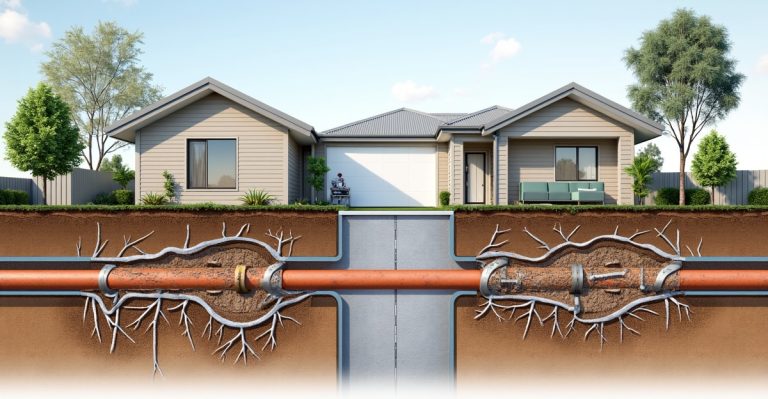
This is especially problematic in older Sydney homes where pipes may already be narrow, degraded, or partially blocked by tree roots. Add one wipe into that system, and it’s a recipe for trouble.
So if you’re wondering, “Can baby wipes block a toilet?”—the answer is not only yes, but they’re one of the most common reasons we get called out.
Real Case: A Blocked Toilet in Inner West Sydney
Not long ago, we were called to a home in Marrickville where a family’s toilet had started gurgling and then stopped draining altogether. At first, they thought it was just too much toilet paper, but after a closer look (and a drain inspection), we found a thick clump of so-called “flushable” baby wipes lodged just past the bend in the drainpipe.
The blockage had also trapped grease and hair, creating a dense plug that was starting to back wastewater up into the bathroom. Luckily, we were able to clear the line with minimal digging—but if they’d waited any longer, it could have turned into a much messier and more expensive job.
This is a classic case of flushable wipes truth vs. reality: just because they flush doesn’t mean they go away.
Key takeaway: Flushing wipes—even the ones marketed as “flushable”—can silently damage your plumbing over time. They don’t dissolve like toilet paper, they catch and collect debris, and they’re a leading cause of costly sewer line blockages in Sydney homes. Coming up next, let’s go over the telltale signs your toilet might already be blocked.

Signs You Might Have a Blocked Toilet
A blocked toilet doesn’t always start with a dramatic overflow or complete clog. Often, there are subtle signs that something isn’t right—long before things get messy. Knowing what to look (and smell) for can help you act early, avoid damage, and prevent an emergency call-out.
Whether it’s a one-off issue or something that’s been building over time, here are the most common signs of a sewer blockage or clogged toilet that Sydney homeowners should keep an eye on.
Overflowing, Slow Drains, and Backups
One of the most obvious signs of a problem is when your toilet bowl starts to fill too high—or worse, spills over the edge. A toilet overflow isn’t just unpleasant; it can signal a major obstruction in the system.
Other red flags include:
- Slow draining: If the water level lingers longer than usual before going down, something is likely restricting the flow.
- Incomplete flushes: You press the button, but everything doesn’t disappear. That’s not just annoying—it’s a sign of early blockage.
- “My toilet is backing up” scenarios: If water starts to rise in other drains (like the shower or floor waste) when you flush, that’s a clear indication of a deeper issue in the line.
- Recurring clogs: Needing to plunge more than once a month? That’s not normal—it could mean there’s a growing build-up in your pipes.
If you’re seeing any of these symptoms, especially together, it’s time to stop flushing and investigate—or call in a professional before it gets worse.
Odd Sounds and Bad Smells
Some signs aren’t visual at all. If your bathroom sounds or smells different than usual, your plumbing might be trying to tell you something.
Here’s what to watch (and sniff) for:
- Gurgling or bubbling noises: If your toilet makes a strange noise after flushing—or when using another tap nearby—it might mean air is trapped in the system due to a partial blockage.
- Sewer smells: A healthy toilet shouldn’t stink. A blocked toilet that smells bad could mean trapped waste or stagnant water sitting just below the surface.
- Persistent odours around floor drains: Especially in laundry or basement bathrooms, this can indicate a wastewater backup.
These signs can sneak up on you—but ignoring them can lead to bigger problems like a burst pipe or bathroom flood.
Key takeaway: From slow draining to strange noises and unpleasant smells, your toilet gives you warning signs before things go fully wrong. Noticing these early can help you avoid serious damage—and a whole lot of cleanup. Up next, let’s explore some safe, simple DIY fixes you can try before calling in the pros.

DIY Toilet Fixes: What You Can (Safely) Try
If your toilet isn’t flushing properly—whether it’s clogged or your toilet keeps running—there are a few DIY toilet fix options you can try before picking up the phone.
These methods are simple, low-risk, and sometimes all it takes to get things flowing again—especially if the blockage is small and recent.
If you’re reaching this point, don’t keep trying—you could turn a minor issue into a full plumbing emergency.
That said, not every fix is safe or effective. Knowing what works—and what can make things worse—is key to avoiding bigger (and more expensive) problems down the line.
Gentle Fixes: Hot Water & Soap, or Vinegar Method
Looking for a quick fix for a blocked toilet without diving into heavy tools or harsh chemicals? Try one of these safe, homeowner-friendly solutions:
- Hot (not boiling) water + dish soap
- Add a generous squeeze of dish soap to the toilet bowl.
- Slowly pour in a bucket of hot water from waist height.
- Let it sit for 15–20 minutes, then flush.
- This can help lubricate and soften minor clogs like built-up paper or grease.
- Add a generous squeeze of dish soap to the toilet bowl.
- Baking soda + vinegar method
- Pour one cup of baking soda into the bowl, followed by two cups of vinegar.
- Let it fizz for 10–15 minutes, then follow with hot water and flush.
- Works well for breaking down light residue or surface-level blockages.
- Pour one cup of baking soda into the bowl, followed by two cups of vinegar.
- Plunger tip:
If you’ve got a plunger handy, go for a flange-style (not flat) one made for toilets. Give it a solid 10–15 pumps, keeping a tight seal over the drain.
These are good go-to options if you’re asking, “How to unclog a toilet without a plunger?” But if you’ve tried them and nothing changes—or things get worse—it’s time to stop.
What Not to Do: Coat Hangers, Chemicals, and Misuse
When frustration kicks in, it’s tempting to reach for whatever’s nearby. But some DIY methods cause more harm than good. Here’s what to avoid at all costs:
- Coat hangers or sharp objects
- Poking around with wire can damage your toilet bowl’s porcelain or get stuck in the pipes, making the clog even worse.
- Poking around with wire can damage your toilet bowl’s porcelain or get stuck in the pipes, making the clog even worse.
- Drain-clearing chemicals
- Harsh store-bought cleaners are rarely effective on physical blockages like wipes and can corrode older pipework—especially in Sydney homes with aging infrastructure.
- Harsh store-bought cleaners are rarely effective on physical blockages like wipes and can corrode older pipework—especially in Sydney homes with aging infrastructure.
- Multiple flushes in a row
- If the toilet bowl is full and not draining, flushing again only increases the risk of overflow and water damage.
- If the toilet bowl is full and not draining, flushing again only increases the risk of overflow and water damage.
If you’re reaching this point, don’t keep trying—you could turn a minor issue into a full plumbing emergency.
Key takeaway: A simple soap or vinegar method might do the trick for a mild blockage, but know your limits. If the problem doesn’t improve quickly, skip the risky DIY tricks and get help before things back up further. In the next section, we’ll look at what not to flush in the first place to avoid repeat problems.

What NOT to Flush: A Quick Checklist
When it comes to preventing a toilet blockage, what goes down the drain matters more than most people think. Many of the plumbing callouts we attend around Sydney could’ve been avoided with a few small changes in flushing habits.
So, is it safe to flush wipes? Not really. And it’s not just wipes—there are several common household items that don’t belong anywhere near your toilet. The Water Corporation has a great reference on what not to flush, which helps highlight how these items affect not only your plumbing but also your community’s wastewater systems.
Wipes, Paper Towels, Feminine Hygiene Products
Even if the packaging says “flushable,” the truth is these products don’t break down like toilet paper—and they’re one of the top reasons for blocked toilets and plumbing system damage.
- Baby wipes and cleaning cloths:
Marketed as convenient, but they stay intact long after flushing and often clump together inside pipes.
(Pro tip: Use a lined bin for safe baby wipe disposal.) - Paper towels and tissues:
Thicker than toilet paper and not made to dissolve—they can expand and clog drains quickly. - Sanitary products:
Tampons, pads, and liners absorb moisture and expand, making them a major sanitary products in toilet hazard. They can sit in your plumbing for months before causing a total blockage. - Cotton buds, floss, hair, and nappies:
These items may seem small, but they tangle, trap debris, and often require professional drain cleaning once lodged in the pipes.
Smarter Alternatives and Proper Disposal Tips
Changing your flush habits doesn’t have to be a hassle. Here are a few toilet paper alternatives and eco-friendly options that can keep your plumbing running smoothly:
- Use septic-safe toilet paper only
Look for brands labelled biodegradable or certified for use with low-flush systems. - Set up a small bathroom bin
Keep a lidded bin near the toilet for disposing of wipes, pads, and tissues. It’s a simple solution that makes a big difference. - Try reusable cloth wipes (for home use)
If you’re looking to reduce waste, consider washable alternatives for personal care—just remember they still don’t belong in the toilet. - Teach the household
Especially with kids or guests, clear signage or a friendly reminder can prevent those “oops” moments.
If you’re wondering about the best way to dispose of wipes, the answer is always in the bin—not the bowl.
Key takeaway: When in doubt, don’t flush it. Sticking to toilet paper alone and properly disposing of other items can prevent serious plumbing issues. Up next, we’ll walk you through when a DIY fix won’t cut it—and when it’s time to call in the pros.

When to Call a Professional (And Why It Matters)
Sometimes, no amount of plunging, hot water, or DIY tricks will solve the problem. If your toilet continues to misbehave—or worse, you’re dealing with repeat blockages or wastewater backing up—it’s time to call in a pro.
Knowing what to do if your toilet overflows or your pipes just won’t clear is crucial, especially if you’re trying to avoid bigger problems like water damage, health risks, or costly repairs. That’s where a licensed plumbing technician can make all the difference—especially when you need an emergency response for burst pipes.
Warning Signs You Need an Expert
You don’t need to wait for a full-blown plumbing emergency to get help. In fact, the earlier you act, the less disruptive (and expensive) the solution usually is.
Here’s when to stop troubleshooting and pick up the phone:
- You’ve tried basic fixes, and the problem keeps returning
Recurring clogs are often a sign of a deeper bathroom plumbing issue or partial blockage in the sewer line. - Toilet overflows without warning
A single flush shouldn’t flood your floor. If it does, the issue may be further down the pipe than you can reach. - Multiple drains acting up at once
If the toilet backs up when you run the washing machine or your shower gurgles when you flush, it’s likely a shared blockage—and it needs professional tools to diagnose and clear. - Bad smells coming from your bathroom
Persistent odours can mean waste is sitting stagnant in your pipes or backing up from the main line—both problems that require expert attention.
In short, if you’re thinking, “I’ve got a real mess on my hands”, that’s the time to call an emergency plumber for a blocked toilet—not after your bathroom becomes unusable.
What You Can Expect from In House Plumbing
At In House Plumbing, we know toilet issues don’t wait for a convenient time—which is why we offer 24/7 emergency service across Sydney. Whether it’s a simple blockage or a full system inspection, we show up when we say we will, get the job done right, and leave your space cleaner than we found it.
Here’s what working with our team looks like:
- Prompt response from licensed plumbing technicians
We arrive on time, fully equipped to handle whatever’s causing the blockage—no guessing, no delays. - Upfront quotes and honest advice
No hidden fees or pressure tactics. We walk you through the issue, explain your options, and let you decide. - Clean, respectful work practices
We wear shoe covers, clean up after ourselves, and treat your home or business like it’s our own. - Long-term solutions, not band-aid fixes
Whether it’s jet-blasting a blocked drain or repairing a deeper issue, we’ll make sure your plumbing stays problem-free—not just for today, but for the long haul.
Because at the end of the day, we’re not just fixing pipes—we’re protecting your comfort, safety, and time.
Key takeaway: If your toilet problems keep coming back or you’re facing an emergency, don’t wait it out. Calling a trusted local expert like In House Plumbing can save you stress, time, and costly repairs. And we’re here—ready to help, 24/7.
Up next: a quick recap of the key points and simple habits that can help you avoid all this in the first place.

Conclusion: Small Habits Prevent Big Headaches
Toilet blockages caused by baby wipes are more common—and more avoidable—than most people think. What might seem like a harmless flush can lead to serious plumbing issues, from slow drains and bad smells to full-blown overflows and costly sewer line repairs.
We’ve covered why flushable wipes aren’t really flush-friendly, how to spot the early warning signs of a blocked toilet, and what safe DIY tricks you can try at home. Most importantly, we’ve outlined what not to flush—and when it’s time to call in a professional.
The good news? A few small changes—like tossing wipes in the bin instead of the bowl—can save you a lot of mess, stress, and money down the line.
And if the problem’s already here? Still stuck? Give us a call—we’ll sort it out. 24/7 across Sydney.
Frequently Asked Questions
Yes, absolutely. Even wipes marketed as “flushable” don’t break down like toilet paper. They’re made from durable synthetic fibres that stay intact long after flushing. Over time, these wipes can build up inside your pipes, cause a toilet blockage, and even lead to sewer line obstructions—especially in older Sydney plumbing systems.
First, stop flushing—additional water will only make the overflow worse. If safe to do so, turn off the water supply to the toilet at the shutoff valve behind the bowl. Then try a gentle DIY toilet fix like plunging or hot water and dish soap. If the water doesn’t go down or the overflow continues, it’s time to call an emergency plumber for a blocked toilet.
Start with simple, low-risk methods:
Hot water and dish soap
Baking soda and vinegar
A flange-style plunger with steady pressure
These tricks can sometimes shift minor clogs. However, if the blockage is stubborn or keeps coming back, it’s best to get a licensed plumbing technician involved to avoid damaging your pipes.
This could be a sign of a partial blockage caused by non-flushable wipes, paper towels, or buildup in the sewer line. Recurring issues like slow drains, water rising in other fixtures, or gurgling sounds usually point to a deeper bathroom plumbing issue that DIY won’t fix. Persistent backups are a clear signal to call a professional who can clear pipes with high-pressure water and inspect for deeper issues.
No—none are truly safe to flush. Even so-called “flushable” wipes can cause plumbing system damage over time. The safest option? Stick to toilet paper, and dispose of all wipes (baby, cleaning, or personal hygiene) in a bin. This small habit can prevent major plumbing problems later.