Top 5 Drainage Problems in Sydney Homes

Dealing with water where it shouldn’t be? You’re not alone. Drainage problems in Sydney homes are surprisingly common, thanks to a mix of heavy rainfall, clay-heavy soils, and aging infrastructure. Left unchecked, these issues can lead to everything from soggy lawns to serious foundation damage.
In this guide, we’ll walk you through the top five drainage problems Sydney homeowners face—and more importantly, how to fix them.
Whether you’re trying to stop water from pooling in your yard or tackling a recurring sewer backup, you’ll find clear, practical advice for each scenario.
Here’s what we’ll cover:
- Why Drainage Problems Are Common in Sydney Homes
- Water Pooling in Lawns or Near Foundations
- Blocked or Overflowing Stormwater Drains
- Soil Erosion or Ground Movement
- Sewer Line Backups and Blockages
- Subsurface Water or Rising Damp
Let’s start by looking at why drainage issues Sydney homes experience are so widespread and problematic.

Why Drainage Problems Are Common in Sydney Homes
Sydney homeowners face a unique set of challenges when it comes to managing water around their properties. While drainage issues can occur anywhere, the combination of local geography, climate patterns, and urban development in Sydney makes these problems particularly persistent—and sometimes hard to spot until damage is already done.
Clay-Heavy Soils and Poor Absorption
Much of Sydney’s residential land is built on clay-based soil, which is known for poor drainage. Unlike sandy or loamy soils that allow water to pass through easily, clay tends to retain moisture. After heavy rain, water sits on the surface or moves very slowly through the ground, leading to soggy lawns, pooling near foundations, and eventually erosion or foundation stress. Learn more about how to improve clay soil in your garden to promote better drainage.
Intense and Irregular Rainfall
Sydney’s rainfall patterns also contribute to drainage stress. The city can experience intense downpours over short periods, especially during summer storms.
These bursts often overwhelm traditional systems, creating Sydney stormwater drainage problems, particularly in older suburbs where infrastructure hasn’t been upgraded to handle modern water loads. This leads to backups, surface flooding, and even water ingress into basements or subfloors. For a closer look at how the city is addressing this, see the City of Sydney’s water management initiatives.
Aging Infrastructure and Suburban Growth
Many Sydney homes, particularly those built before the 1980s, rely on outdated or undersized plumbing and drainage systems. As suburbs expand and more properties connect to the same networks, these systems become overloaded. Add in tree root intrusion—common in areas with mature landscaping—and it’s easy to see how blocked pipes and stormwater drains become a frequent issue.
Dense Urban Layouts and Limited Yard Space
Modern homes in Sydney’s growing suburbs often sit on compact lots with little room for natural water runoff. Paved surfaces like driveways, patios, and extensions reduce soil exposure, forcing water to accumulate in areas it shouldn’t. Without a proper slope or drainage system, even a light rain can cause noticeable pooling or erosion.
Takeaway: In Sydney, drainage problems aren’t just an occasional inconvenience—they’re built into the very landscape. Understanding how soil type, rainfall, and infrastructure intersect can help homeowners stay one step ahead of potential damage and choose the right solution before issues escalate.

1. Water Pooling in Lawns or Near Foundations
Persistent puddles in your yard or near your home’s foundation may seem like a minor nuisance—but they’re often the first sign of a deeper drainage issue. In Sydney, where sudden downpours and clay soils are common, water pooling is one of the most frequently reported residential drainage problems.
Causes of Water Pooling
Several factors can contribute to water collecting in your lawn or around the base of your home:
- Poor Soil Drainage: Clay-rich soils retain water instead of allowing it to drain through naturally.
- Improper Grading: If the ground isn’t sloped away from your home, rainwater will settle near the foundation.
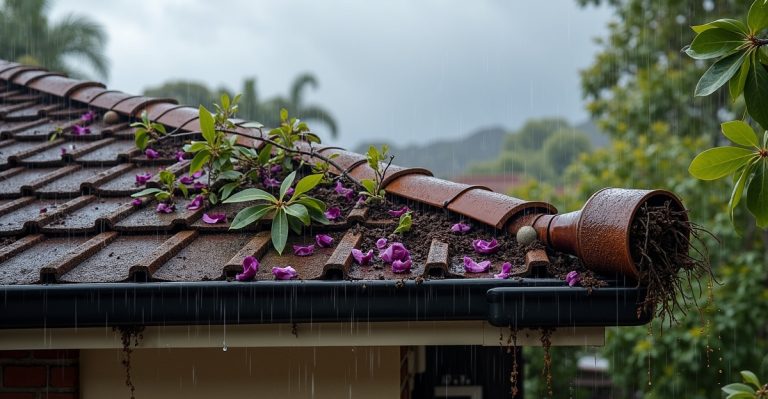
- Blocked or Damaged Downpipes and Gutters: Overflowing roof drainage can saturate soil around your house.
- Compacted Ground: Heavy foot traffic or equipment compresses soil, reducing its ability to absorb water.
- Landscape Features: Retaining walls, patios, or other hardscapes can trap runoff in low-lying areas.
Why It’s a Problem
Pooling water may start as a surface issue but can quickly evolve into serious structural concerns:
- Foundation Damage: Standing water near footings increases hydrostatic pressure, which can lead to cracks, subsidence, or shifting.
- Mosquito Breeding Ground: Even small puddles provide the perfect habitat for mosquitoes, creating a health nuisance.
The NSW Health mosquito reduction guide outlines steps you can take to limit breeding grounds around your home. - Lawn and Garden Stress: Oversaturated soil deprives plants of oxygen, leading to root rot and landscape decline.
- Indoor Water Ingress: In extreme cases, water can seep into basements or subfloors, damaging interiors and insulation.
How to Fix It: DIY Grading, French Drains, or Sump Pumps
Fortunately, several solutions can help redirect water and protect your property—some DIY-friendly, others better handled by professional drainage repair services Sydney offers., such as yard drainage solutions in Sydney.
| Solution | DIY or Pro? | Best For | Considerations |
| Regrading Soil | DIY (small areas) | Minor surface pooling | Labor-intensive; needs basic leveling skills |
| French Drain | Professional recommended | Long-term subsurface drainage | Great for clay soil; links well with stormwater systems |
| Sump Pump | Professional | Severe pooling near foundations or basements | Requires electricity and sump pit installation |
For more extensive drainage needs—particularly if pooling persists even after regrading—a French drain system is often the most effective long-term fix. You can also explore a step-by-step guide to installing a French drain in Australia for deeper DIY insight.
Takeaway: If water regularly pools near your lawn or foundation, don’t wait for signs of structural damage to act. Identify the cause early and match it with a suitable fix—whether it’s reshaping the landscape or installing a more robust drainage system.

2. Blocked or Overflowing Stormwater Drains
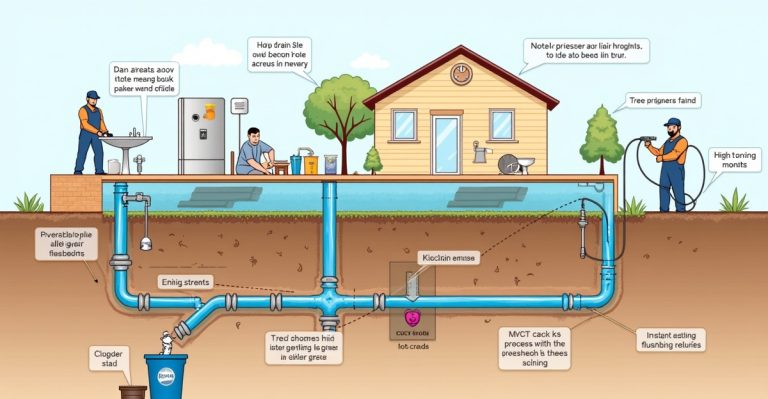
In Sydney, blocked drains Sydney are a common cause of backyard flooding, soggy driveways, and water intrusion around the home. These drains are essential house drainage systems for directing rainwater away from your property—but when they’re obstructed by common drain blockage issues, the system quickly backs up, creating messy and potentially damaging conditions that may require emergency drain unblocking in Sydney.
Signs of a Blockage
Recognizing the early warning signs of a blocked stormwater drain can help prevent bigger problems down the line. Look out for:
- Water backing up out of drains during or after rain
- Slow drainage from downpipes or grates
- Overflowing gutters or pits, even with light rainfall
- Wet patches or puddles near drain openings or stormwater pipes
- Gurgling sounds from stormwater outlets
These symptoms suggest water isn’t flowing freely through the drainage system—often because of a physical obstruction or structural issue in the pipes.
Tree Roots, Debris, and Pipe Collapse
The most common causes of blockages in Sydney include:
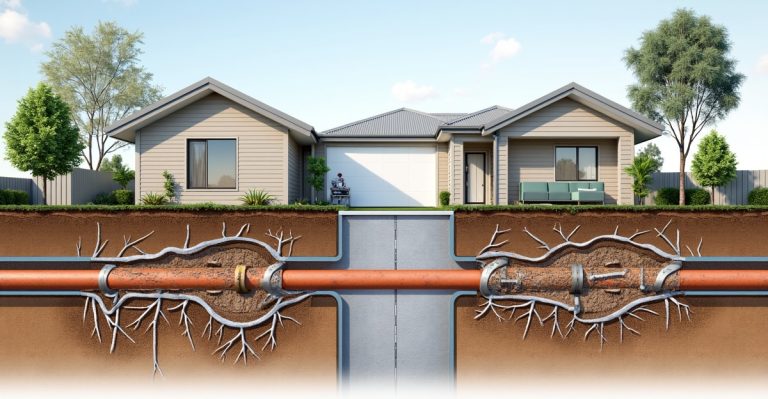
- Tree Root Intrusion: Large native trees—common in older suburbs—send roots into tiny pipe cracks, eventually clogging or collapsing the system. One effective solution is high pressure water jet root removal.
- Leaf and Mud Build-Up: Lack of regular cleaning causes debris to accumulate in gutters and grates.
- Collapsed or Cracked Pipes: Especially in homes built before the 1990s, older clay or concrete stormwater pipes may have deteriorated or shifted underground.
These issues are often hidden and worsen over time, which is why many blockages appear to occur “suddenly” after a storm.
Professional Solutions: Camera Inspections, Jet Blasting, Pipe Relining
For persistent or large-scale blockages, professional help is essential. Qualified plumbers can:
- Conduct CCTV Drain Inspections to pinpoint the exact cause and location of the blockage.
- Use High-Pressure Jet Blasting to clear out tree roots, silt, and debris safely.
- Offer Pipe Relining—a trenchless, long-term solution that repairs cracked or damaged pipes from the inside without digging up your yard.
Takeaway: Blocked stormwater drains aren’t just inconvenient—they often require fast action from an emergency drainage plumber Sydney homeowners can rely on before property damage worsens. If you notice recurring puddles or poor drainage, it’s worth having a professional assess the system before a small issue becomes a costly repair.

3. Soil Erosion or Ground Movement
Drainage problems in Sydney homes don’t just cause puddles and damp spots—they can slowly shift the very ground your home is built on. Soil erosion and ground movement are often overlooked until the damage becomes visible, and by then, the fix is rarely simple. If your property is on a slope or has uneven terrain, this issue deserves close attention.
How Improper Drainage Leads to Erosion
When stormwater isn’t properly directed away from your property, the runoff travels wherever it can—often carving paths through garden beds, washing away topsoil, or accumulating against retaining walls. Over time, this constant water flow erodes the surface and deeper layers of soil, especially if:
- Gutters or downpipes release water directly onto soil
- The property lacks groundcover vegetation or mulch
- The landscape has no contouring or barriers to manage flow
- Heavy rainfall occurs on a compacted or bare surface
In hilly or elevated Sydney suburbs, even small drainage oversights can trigger noticeable shifts in soil within a single season.
Effects on Landscaping and Structural Integrity
Unchecked erosion can have both cosmetic and structural consequences:
- Uneven Lawn Surfaces: Sunken patches and exposed roots create tripping hazards and poor curb appeal.
- Damaged Garden Beds: Washed-out mulch, displaced plants, and bare patches ruin landscaping efforts.
- Foundation Instability: Continuous soil displacement can compromise your home’s footings or retaining walls, causing cracks or settling.
- Fence and Wall Misalignment: Posts and barriers may tilt or sink over time as the ground beneath them shifts.
Solutions: Erosion Control, Proper Drain Placement, Smart Landscaping
Addressing erosion starts with controlling where water goes—and how fast it flows:
- Install Proper Drainage Systems: Ensure all downpipes and gutters channel water away from the home through drains, swales, or dispersal pits.
- Use Erosion Control Fabric or Retaining Walls: These reinforce slopes and protect vulnerable soil from washout.
- Adopt Smart Landscaping Techniques: Plant deep-rooted native vegetation, create rain gardens, and add mulch to exposed areas to slow water flow and bind the soil.
Erosion Checklist: Signs & Prevention Tips
- Uneven or sunken lawn areas
- Exposed roots or rocks that weren’t previously visible
- Washed-out mulch or displaced soil after rain
- Cracks in pathways, patios, or retaining walls
- Standing water at the base of slopes
- Downpipes discharging directly onto the ground
Prevention Tips:
- Maintain and clean your gutters regularly
- Extend downpipes using splash blocks or diverters
- Avoid excessive watering or over-irrigation
- Plant grass or groundcover in bare soil zones
- Schedule regular drainage inspections
Takeaway: Erosion may happen slowly, but the damage is real—and often costly. With the right drainage planning and landscape choices, you can protect your home’s structural stability and preserve your outdoor space for years to come.

4. Sewer Line Backups and Blockages
A blocked sewer line is one of the most disruptive and unpleasant drainage problems a Sydney homeowner can face. Unlike a slow shower drain or occasional toilet clog, a sewer backup affects your entire plumbing system—and can lead to serious health hazards, structural damage, and expensive cleanups if not addressed quickly.
Warning Signs (Odors, Gurgling Drains, Overflow)
Sewer issues often start subtly before turning into full-blown emergencies. Watch for these early red flags:
- Persistent foul smells around sinks, toilets, or outdoor drains
- Gurgling or bubbling sounds when water drains
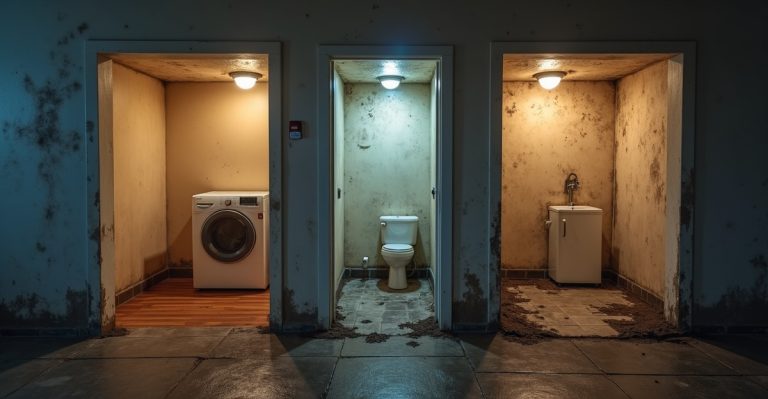
- Water backing up into showers, toilets, or floor drains, especially after flushing or doing laundry
- Multiple slow drains across the home (not just one location)
- Overflowing outdoor sewer grates during rain
If you’re experiencing more than one of these issues at once, it’s likely a problem in your main sewer line—not just a household fixture.
Causes: Tree Roots, Pipe Damage, Grease Build-Up
Sewer line blockages in Sydney are commonly caused by:
- Tree Root Infiltration: Older clay or concrete sewer pipes are especially vulnerable. Roots find even the smallest cracks and grow inside, restricting or completely blocking flow.
- Pipe Collapse or Misalignment: Shifting ground or aging infrastructure can cause pipes to sag, crack, or collapse entirely.
- Grease, Fat, and Waste Buildup: Pouring fats or oils down the kitchen sink leads to thick blockages over time.
- Foreign Objects: Flushing wipes, sanitary products, or even excess toilet paper can block the line.
These issues are often worsened by years of buildup and unnoticed damage beneath the surface. Recent research published in Nature highlights how urban infrastructure—especially aging sewer systems—can struggle to cope with changing rainfall patterns and climate extremes.
Understanding these broader environmental pressures can help homeowners appreciate why proactive drainage solutions are more important than ever. Read the full study on drainage systems and climate resilience.
Professional Fixes: Pipe Relining, Sewer Jetting, Preventative Maintenance
While minor clogs in sinks or toilets can be handled with a plunger, sewer line issues require expert help. Here’s how licensed plumbers solve them:
- CCTV Camera Inspections: A flexible camera is fed into the sewer to locate blockages or structural problems.
- High-Pressure Sewer Jetting: This blasts away grease, roots, and debris to clear the line quickly and safely.
- Pipe Relining: A no-dig technique that reinforces damaged pipes from the inside, sealing cracks and offering a lifespan of pipe relining solutions that often exceeds 25 years.
- Scheduled Maintenance: For properties with a history of issues, routine inspections and cleanings prevent future surprises.
Understanding the Difference: Household Drain vs. Sewer Line Issues
| Household Drain Issue | Sewer Line Issue |
| Affects one fixture (e.g., a sink) | Affects multiple drains or the whole house |
| Typically resolves with a plunger or drain cleaner | Requires professional equipment and inspection |
| Doesn’t cause outdoor overflow | May cause overflow at external grates |
| No foul odor unless stagnant | Often accompanied by strong sewer smell |
Takeaway: Sewer line problems escalate quickly—and without visible warning. If you’re experiencing slow drains throughout the house or persistent smells, don’t delay. Prompt professional intervention not only restores function but can also prevent costly repairs and property damage.

5. Subsurface Water or Rising Damp
Unlike obvious drainage issues like puddles or backed-up grates, subsurface water and rising damp can quietly damage your home from below. These problems occur when water seeps into your home’s foundations or walls from underground, often due to poor site drainage or high water tables—conditions common in many Sydney suburbs, especially those with clay soil and inadequate runoff control.
Symptoms (Damp Walls, Mould, Musty Smell)
Early warning signs can be subtle, but catching them early is critical. Look for:
- Damp or discoloured patches on internal walls or skirting boards
- Peeling paint, bubbling plaster, or crumbling mortar
- Musty odours, especially in basements, crawlspaces, or lower rooms
- Visible mould growth on walls, floors, or ceilings
- Cold or clammy surfaces even when the room is heated
These symptoms are often mistaken for minor condensation issues, but they usually point to water moving upward or laterally from the soil beneath the home.
Risks to Health and Property Value
If left untreated, subsurface moisture can have serious consequences:
- Structural Damage: Continuous exposure to moisture weakens building materials and leads to rot or corrosion.
- Reduced Property Value: Rising damp is a red flag during inspections and can significantly affect resale potential.
- Health Hazards: Mould growth contributes to respiratory issues, particularly for people with asthma, allergies, or immune sensitivities.
- Electrical and Insulation Risks: Water can reach wall cavities, damaging wiring and reducing insulation effectiveness.
In many cases, these issues don’t go away with surface fixes. Proper diagnosis and strategic drainage intervention are essential.
Waterproofing, Subsurface Drainage, and French Drain Applications
Effective treatment targets the source of the moisture, not just the symptoms. Here are the most common and effective solutions:
- Waterproofing Barriers: Applied to foundations and walls to prevent moisture ingress. Often combined with other systems for maximum effect.
- Subsurface Drainage Systems: These redirect water away from your home’s perimeter before it can cause damage. A French drain is a prime example.
- French Drains: Installed along the outside (or inside) of a foundation, they use gravel and perforated pipes to collect and move water away from the home. This method is particularly effective in high-risk zones like sloped lots or areas with a history of dampness.
Do I Need a French Drain?
Use this quick guide to find out:
| Situation | Recommended Action |
| Water seeps into your basement or subfloor | Consider a French drain |
| Consistent damp patches near external walls | Assess for subsurface drainage |
| Home is on a slope or at the bottom of a hill | French drain may help |
| Yard remains soggy days after rain | French or trench drain needed |
| Visible mould despite surface treatments | Address with drainage + waterproofing |
Takeaway: Rising damp and subsurface water are silent threats that can erode both your home’s structure and your health. If you’re noticing damp walls, persistent smells, or mould growth, it’s time to think beyond dehumidifiers—solutions like waterproofing and French drains can offer lasting protection and peace of mind.

When to Call a Professional Plumber
While some drainage issues—like clearing a blocked gutter or adjusting surface grading—can be tackled with a bit of DIY effort, others require the tools, training, and diagnostic expertise of a professional plumber. Knowing when to call for help can save you from costly repairs, property damage, and endless frustration.
Here’s how to tell when it’s time to bring in a trusted expert like In House Plumbing.
Red Flags You Shouldn’t Ignore
If you notice any of the following warning signs, it’s best to call a licensed plumber:
- Water pooling repeatedly in the same area despite DIY fixes
- Foul odours coming from drains, especially after rain
- Multiple slow drains throughout the home
- Visible mould or dampness that won’t go away
- Foundation cracks or signs of shifting soil
- Backed-up toilets or sewage smells inside or outdoors
- Stormwater drains that overflow during even light rain
- You’ve already tried DIY fixes without success
These symptoms often indicate deeper issues within your drainage or sewer infrastructure—problems that won’t be resolved with surface-level solutions.
Why Choose In House Plumbing?
Homeowners across Sydney trust In House Plumbing for one key reason: we solve problems properly the first time. With over 20 years of hands-on experience and a reputation backed by 5-star Google reviews, we bring both technical expertise and customer care to every job.
What sets us apart:
- Transparent pricing with no hidden fees
- State-of-the-art equipment, including CCTV drain inspections and pipe relining technology
- Clean, respectful work practices that protect your home and yard
- Emergency plumbing services when you need urgent support
- Tailored solutions, not one-size-fits-all fixes
We don’t believe in quick patches that come undone months later. Our goal is long-term reliability—done right, on time, and with minimal disruption to your day.If your drainage problems go beyond surface water or recurring puddles, it’s time to bring in a professional. An experienced plumber doesn’t just fix the symptom—contact us today to uncover and address the root cause, giving you peace of mind and a dry, safe home.
Frequently Asked Questions (FAQs)
Drainage issues in Sydney are commonly caused by a mix of environmental and structural factors. These include clay-heavy soils that hold water, sudden downpours that overwhelm stormwater systems, blocked or damaged pipes (often from tree roots), poor yard grading, and aging infrastructure that hasn’t been updated to handle modern runoff volumes.
If you’re dealing with consistent water pooling, rising damp, or subsurface moisture problems—even after basic fixes like regrading or gutter cleaning—you may benefit from a French drain. This solution is ideal for redirecting underground water away from foundations or low-lying areas—especially when choosing between a French drain and a soakwell for your property. A professional inspection can confirm whether it’s the right choice or if simpler fixes, like downpipe extensions or surface drains, might be enough.
Yes. When water repeatedly pools near your home, it increases hydrostatic pressure against your foundation walls. Over time, this pressure can lead to cracks, shifting, or even structural settling. Damp conditions can also degrade building materials and contribute to mould, which affects both property value and indoor air quality.
It depends on the location of the blockage. Homeowners are typically responsible for maintaining drains and pipes within their property boundary. If the issue occurs in the public street or beyond your property line, it may fall under the local council’s responsibility. A plumber can help identify where the issue lies with a drain inspection.
There are several sustainable strategies homeowners can use, including:
Installing rain gardens to absorb runoff naturally
Using permeable pavers for driveways and paths
Implementing rainwater tanks to capture roof runoff
Planting deep-rooted native vegetation to stabilize soil
Diverting water using swales or French drains that minimize erosion
These approaches not only manage water effectively but also support a healthier, more resilient yard.