How to Fix Yard Drainage After Heavy Rain in Sydney

If you’ve ever stepped into your backyard after a storm only to find puddles, soggy grass, or even water creeping toward your home, you’re not alone. Water pooling in yards is a common issue in Sydney, and without the right yard drainage solutions, it can quickly turn from a nuisance into a costly problem.
In this guide, we’ll break down why water collects after heavy rain, how to diagnose the issue in your own yard, and the most effective ways—both DIY and professional—to keep your lawn dry and healthy. You’ll also learn about local regulations, preventative tips, and when it’s time to call in an expert.
Here’s what we’ll cover:
- Why Water Pools in Yards After Heavy Rain
- How to Diagnose Your Yard Drainage Problem
- Effective Yard Drainage Solutions
- Local Considerations for Sydney Properties
- Preventative Maintenance Tips
- Conclusion – Keep Your Yard Dry and Healthy
First, let’s look at the most common reasons water pools in Sydney yards after a downpour.

Why Water Pools in Yards After Heavy Rain
Heavy rain should nourish your garden—not leave it waterlogged for days. Yet in many Sydney homes, yard drainage issues cause puddles that just won’t go away. Understanding why this happens is the first step to finding the right fix, especially when you’re dealing with common drainage problems in Sydney homes.
Common Causes
Flat or compacted soil
If your yard is flat or the soil has become hard and compacted over time, rainwater has nowhere to go. Instead of soaking in, it lingers on the surface. This is especially common in backyards that double as play areas or driveways, where foot traffic and vehicles press the soil down.
Poor yard grading
Ideally, your yard should gently slope away from your home so water can run off. When the slope tilts toward the house—or is too flat—water collects in low points. This type of drainage problem often goes unnoticed until a big storm leaves behind puddles right near the foundation.
Blocked or poorly placed downspouts
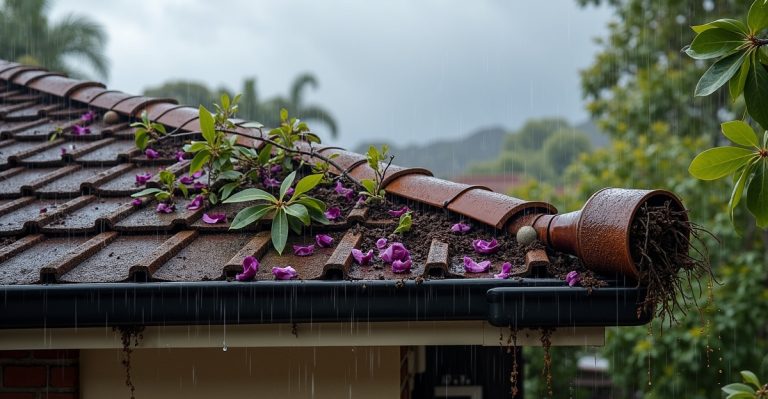
Your guttering is designed to carry water away from the roof and foundation. But if downspouts are blocked with leaves or positioned too close to the house, they can dump large amounts of water directly into the yard, creating concentrated pooling spots. This is a common issue that Blocked Drain Solutions can help address.
Clay-heavy soils
Much of Sydney has clay-based soil, which drains very slowly compared to sandy soils. After heavy rain, these soils can stay soggy for days, leading to lawns that feel spongy underfoot and gardens that never quite dry out.
Why It Matters
Ignoring yard drainage problems can lead to bigger headaches down the track:
- Foundation risks – Persistent water near your home can seep into footings and basements, weakening structural integrity and creating expensive repair bills.
- Pests and mosquitoes – Standing water is a breeding ground for mosquitoes and can attract other pests, creating both health risks and general discomfort.
- Lawn and landscaping damage – Grass roots suffocate in waterlogged soil, leaving you with patchy, muddy areas that are difficult to revive.
Key Takeaway: Water pooling in your yard isn’t just a minor inconvenience—it’s a sign that your outdoor drainage system needs attention. By understanding whether the cause is soil type, grading, or blocked downspouts, you can take the right steps to protect both your home and your garden from long-term damage.

How to Diagnose Your Yard Drainage Problem
Before jumping into solutions, it helps to understand exactly what’s going on in your yard. A few simple checks can reveal whether you’re dealing with a minor surface issue or a deeper drainage problem that may need professional attention, such as a Drain Inspection.
Quick Visual Checks
Start by walking around your property after a decent rainfall to spot signs early and fix water pooling in yard areas before they worsen.. Look for:
- Soggy patches – Areas where the lawn feels spongy underfoot or takes days to dry. These wet spots in the backyard usually point to compacted or clay-heavy soil—common causes of backyard water drainage problems.
- Erosion signs – Washed-out mulch, bare soil, or channels forming along garden beds often indicate that stormwater runoff isn’t being directed properly.
- Water trails – Lines of debris, sediment, or water stains near downspouts or low points can show where water naturally collects.
If you notice pooling close to your home’s foundation, that’s a red flag—it could indicate water under house after heavy rain, which can seep into the structure if left unchecked.
Simple DIY Drainage Test
If you’re unsure how well your soil drains, the bucket test is an easy way to check absorption:
- Dig a small hole about 30 cm deep in the problem area.
- Fill the hole with water and let it drain completely.
- Refill the hole with water again and time how long it takes to empty.
- If the water drains within a few hours, your soil is absorbing well.
- If it lingers for half a day or more, your soil is struggling to handle heavy rainfall—and that’s likely why you’re seeing pooling.
Key Takeaway: With just a short walk-through and a simple DIY test, you can get a clear picture of your yard’s drainage health. Knowing whether the problem is surface-level or soil-related will guide you toward the right fix—whether that’s a quick DIY adjustment or calling in a professional.

Effective Yard Drainage Solutions
Once you’ve identified the cause of pooling, the next step is choosing the right fix. Some drainage issues can be managed with simple DIY solutions, while others call for professional installation. Here’s a breakdown of the most effective approaches.
DIY Fixes
These are practical, low-cost options that many homeowners can try themselves:
Extend downspouts
If your downspouts are emptying too close to the house, attach an extension to redirect water further out into the yard. This prevents concentrated runoff from collecting near your foundation and can be one of the quickest ways to prevent water pooling on the lawn.
Shape swales or berms
A swale is a shallow channel designed to carry water away from problem areas. By reshaping your yard slightly, you can guide rainwater toward a more suitable drainage point. Berms—small raised mounds—can also help redirect the flow. These backyard drainage ideas are simple but effective for smaller problem spots.
Install a rain garden
A rain garden is a landscaped, shallow depression filled with water-loving plants. It’s both eco-friendly and attractive, absorbing excess stormwater naturally. This option works well in Sydney’s clay soils, where natural absorption is slow.
You can learn more about sustainable and long-term repairs and maintenance practices for Australian homes in this government guide.
Professional Solutions
For persistent problems, or where water threatens your home’s structure, it’s best to call experienced yard drainage contractors Sydney residents trust. Here are the most common methods:
French drain
Often considered the best drainage system for a yard, a french drain installation Sydney service involves placing a perforated pipe in a gravel-filled trench. It collects water and directs it away from your property.
Dry well or catch basin
These systems collect excess water and store it underground, allowing it to disperse slowly into the surrounding soil.
Sump pump for problem areas
If your yard consistently floods, particularly near basements or retaining walls, a sump pump may be installed to actively move water away. Sewer Ejector Pump Installation & Repair is a more robust option to prevent water backups in flood-prone properties.
DIY vs. Professional Solutions
| Solution | DIY-Friendly? | Best For | Approximate Cost (Sydney) | Pros | Cons |
| Extend downspouts | Yes | Minor pooling near house | Low (under $100) | Quick, inexpensive, easy install | Limited effectiveness for larger problems |
| Swales & berms | Yes | Redirecting surface runoff | Low–Medium ($200–$500 for basic reshaping) | Natural, eco-friendly, low maintenance | Requires space and planning |
| Rain garden | Yes (with planning) | Eco-friendly absorption | Medium ($500–$1,500+) | Attractive, supports biodiversity | Needs proper plant choice & maintenance |
| French drain | No | Persistent soggy lawns | High ($2,500–$6,000+) | Long-lasting, highly effective | Professional install required, disruptive |
| Dry well / catch basin | No | Low-lying pooling spots | Medium–High ($1,500–$4,000+) | Good for heavy rainfalls | Requires excavation & council compliance |
| Sump pump | No | Severe or recurring flooding | High ($3,000–$7,000+) | Reliable for problem areas | High cost, requires power & maintenance |
Key Takeaway: From simple downspout extensions to engineered systems like French drains, there’s no one-size-fits-all fix for yard drainage. Start small with DIY methods if your issue is minor, but for larger issues, look into affordable yard drainage services that offer long-term protection for your home and garden.

Local Considerations for Sydney Properties
While general yard drainage solutions apply anywhere, Sydney homeowners face some unique factors. Between the city’s clay-heavy soils, seasonal downpours, and local council rules, it’s important to keep both practicality and compliance in mind when planning drainage work.
NSW Stormwater Drainage Regulations
In New South Wales, stormwater is regulated to ensure that properties manage runoff without creating hazards for neighbours or public infrastructure. This means you can’t simply redirect water onto the street or adjoining properties. Any changes to your drainage must comply with council and state guidelines.
For further technical reference, the Urban Stormwater: Best Practice Environmental Management Guidelines (PDF) outlines comprehensive standards and principles for stormwater management and drainage system design.
Homeowner Responsibilities
As a property owner, you’re responsible for ensuring that stormwater on your block is managed safely. That includes:
- Keeping gutters and downpipes in good working order.
- Making sure your yard drainage system doesn’t push excess water into neighbouring yards.
- Maintaining installed systems (like French drains or rain gardens) to prevent blockages or failures.
When Council Approval Is Needed
Not all drainage fixes require approval, but more extensive works—such as installing a new stormwater connection, dry well, or sump pump—may need council permits. It’s always best to check with your local council before starting major excavation or installing permanent drainage infrastructure. A licensed plumber or yard drainage contractors Sydney can guide you through what requires approval, especially when planning larger systems like Storm Drain Repair.
Sydney Soil and Climate Factors
Much of Sydney is built on clay-based soils, which absorb water slowly and can leave lawns soggy for days after a storm. Combine this with heavy seasonal rains—especially during summer storm season—and it’s easy to see why pooling is such a common issue. Solutions like rain gardens, French drains, and swales are particularly valuable in these conditions, as they help improve absorption and direct runoff safely.
Key Takeaway: Managing drainage in Sydney isn’t just about comfort—it’s about compliance and protecting your home’s structure. By considering both local soil conditions and NSW stormwater regulations, you’ll ensure your solution is not only effective but also council-approved and long-lasting.

Preventative Maintenance Tips
Once your yard drainage problem is under control, regular maintenance is key to keeping it that way. Simple seasonal habits can make a big difference in preventing water from pooling after future storms.
Seasonal Checklist
- Clear gutters and downspouts
Blocked gutters are one of the most common causes of backyard flooding. Clean them at least twice a year—or more often if your property is surrounded by trees. Adding a gutter downspout extension also helps carry water further away from your foundations. - Inspect grading yearly
Soil naturally shifts and settles over time. Walk around your home once a year to make sure the ground still slopes away from the foundation. If you spot areas where water collects, a little soil regrading can often prevent bigger issues down the track. - Maintain vegetation for soil stability
Healthy lawns, groundcover plants, and garden beds all help absorb rainwater and reduce erosion. Bare soil, on the other hand, becomes compacted and increases runoff. Reseeding grass or adding native plants not only improves your yard’s appearance but also supports long-term landscape drainage maintenance.
When to Call a Professional
Even with regular upkeep, some issues need expert attention:
- Persistent pooling despite DIY fixes – If water keeps coming back after you’ve tried extensions, swales, or other small solutions, there may be a deeper issue that requires a professional yard drainage contractor.
- Water encroaching near the home – Any pooling close to your foundation should be taken seriously. A licensed plumber can design and install systems such as French drains, catch basins, or sump pumps to keep your home safe.
Key Takeaway: Preventative maintenance is about staying one step ahead. By keeping gutters clear, maintaining your yard’s slope, and supporting healthy vegetation, you can avoid recurring water pooling problems. And when the issue is bigger than a quick DIY fix, calling a trusted professional ensures your property stays protected year-round.

Conclusion – Keep Your Yard Dry and Healthy
Water pooling in your yard after heavy rain isn’t just an inconvenience—it’s a warning sign that your yard drainage system needs attention. Whether it’s compacted soil, poor grading, blocked downspouts, or Sydney’s clay-heavy conditions, identifying the cause is the first step toward protecting your property.
From simple DIY fixes like extending downspouts or creating swales, to professional solutions such as French drains, catch basins, or sump pumps, there’s a wide range of ways to tackle yard flooding. And with regular maintenance—like clearing gutters, inspecting grading, and keeping vegetation healthy—you can stop small problems from becoming major headaches.
At In House Plumbing, we understand the unique challenges Sydney homeowners face with stormwater and soil conditions. With local expertise and a focus on reliable, long-term solutions, we’re here to help you keep your yard safe, dry, and healthy.
Need help with yard drainage in Sydney? Book a drainage assessment with In House Plumbing today.
Frequently Asked Questions
Start with simple fixes like extending gutter downspouts, reshaping the slope of your yard, or planting a rain garden to absorb excess water. If the problem persists, a professional may need to install a French drain, catch basin, or sump pump to move water away effectively.
There’s no one-size-fits-all answer—it depends on your soil and property layout. For many Sydney homes, a French drain is considered one of the best solutions because it redirects water underground and away from problem areas. Rain gardens and swales can also be effective for smaller pooling spots.
Costs vary widely depending on the solution. DIY options like downspout extensions can be under $100, while professional systems such as French drains or sump pumps typically range from $2,500 to $7,000+. The exact price depends on your yard’s size, soil conditions, and the complexity of the installation.
Minor fixes like extending downspouts or creating swales usually don’t need approval. However, larger works—such as connecting to council stormwater systems, installing dry wells, or major excavation—may require permits. Always check with your local council before starting significant drainage work to ensure compliance with NSW stormwater drainage regulations.
At minimum, inspect your gutters, downspouts, and yard grading twice a year—typically before and after Sydney’s storm season. Clear blockages, reseed bare patches, and check for new pooling spots. If you have a French drain, sump pump, or catch basin installed, schedule professional maintenance every 1–2 years to keep the system working efficiently.