French Drain vs Soakwell: Best Yard Drainage Choice

If you’re dealing with water pooling in your yard or soggy garden beds, you’ve likely come across the debate: French drain vs soakwell. Choosing the right drainage solution is essential—not just for keeping your outdoor space usable, but for protecting your home’s foundation and landscaping.
In this guide, we’ll walk you through how each system works, where they’re best used, and what to consider when deciding between the two—especially if you live in Sydney’s diverse soil and weather conditions.
Here’s what we’ll cover:
- Why Proper Yard Drainage Matters in Sydney
- What Is a French Drain?
- What Is a Soakwell?
- Key Differences Between French Drains and Soakwells
- When to Use a Curtain Drain or Other Alternatives
- Cost Comparison: French Drain vs Soakwell
- Maintenance Considerations Over Time
- How to Choose the Right Solution for Your Yard
- When to Call a Professional
First, let’s understand why yard drainage is such a big deal—especially in Sydney.

Why Proper Yard Drainage Matters in Sydney
In Sydney’s varied landscape, managing water runoff isn’t just a landscaping concern—it’s essential for protecting your home, garden, and even your health. Many suburbs across the region, from the clay-rich soils of Blacktown and Baulkham Hills to the sandy terrain of coastal areas like Maroubra, face different but equally frustrating drainage challenges. Without the right system in place, even a modest downpour can lead to lingering surface water, soggy lawns, or worse—damage to your home’s foundation.
To better understand why this happens, check out this overview of common drainage problems in Sydney homes, including soil-specific issues and structural risks.
The Real-World Impact of Poor Drainage
Whether it’s due to compacted clay soil that doesn’t absorb water well or a flat yard that doesn’t encourage natural runoff, water accumulation can quickly spiral into costly issues. Here’s what homeowners and property managers commonly deal with:
- Pooled water after rainstorms, especially in low-lying parts of the yard
- Persistent muddy patches that kill grass and create slip hazards
- Foundation or wall cracks caused by water pressure or erosion over time
- Mosquito breeding grounds, mould growth, and other hygiene concerns
- Damaged landscaping, including root rot and plant loss
For homeowners in Sydney’s northwest, heavy clay soil can be particularly problematic. This soil type retains water and has poor natural drainage, meaning traditional solutions like soakwells may not be effective without additional design considerations. You can learn more about why this happens in this guide to reactive clay soil in Australia, which explains how clay expands and contracts with moisture.
In contrast, coastal suburbs often face the opposite challenge—fast-draining sandy soils that can shift or erode if water isn’t managed correctly.
Why It’s Not a One-Size-Fits-All Fix
The ideal drainage system depends on a combination of factors:
- Your property’s slope and elevation
- The type of soil on your land
- The amount and direction of water flow
- Local council regulations on stormwater dispersal
This is why understanding the differences between drainage systems—like French drains and soakwells—isn’t just helpful; it’s critical to making a solution last.
Takeaway: In a city like Sydney, where soil types and rainfall patterns vary greatly, choosing the right yard drainage system can prevent water damage, protect your property value, and keep your outdoor spaces functional all year round.

What Is a French Drain?
A French drain is a simple yet effective underground drainage system designed to redirect surface water or groundwater away from problem areas in your yard. It’s especially useful in situations where excess water tends to collect—like at the bottom of a sloped lawn or near the edge of a retaining wall.
How It Works
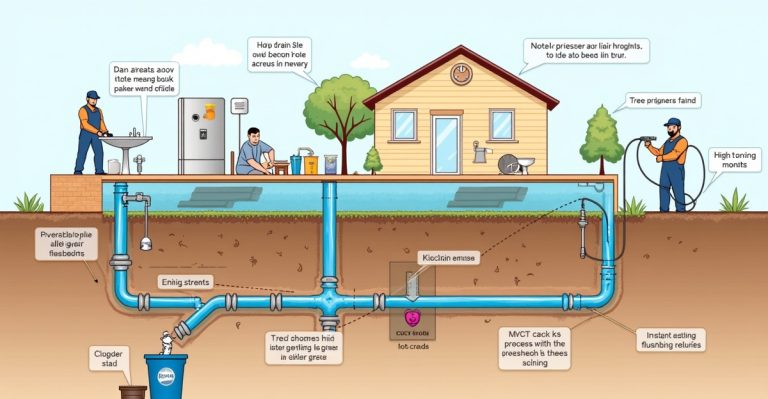
At its core, a French drain consists of a gravel-filled trench with a perforated pipe running along the bottom. Water enters the trench either directly through the gravel or via inlets, flows into the pipe, and is carried away to a designated drainage point—often the street, a stormwater system, or a lower part of your property.
To learn more about the practical steps, materials, and installation considerations, check out this step-by-step guide on installing a French drain in Australia.
This design allows water to naturally follow the path of least resistance, reducing pressure on saturated soil and preventing water from pooling around your home or garden.
French drains are best suited for:
- Sloped yards where water runs toward a structure or low-lying area
- Properties with frequent runoff from driveways, patios, or hard surfaces
- Landscaped areas needing discreet drainage integration
It’s a versatile option for Sydney homes that experience uneven water distribution after rain—common in suburbs with varying elevation like Glenhaven or Castle Hill.
Pros and Cons of a French Drain
Here’s a quick breakdown of the advantages and potential drawbacks:
| Pros | Cons |
| ✅ Highly effective at redirecting large volumes of water | ❌ May require excavation and landscape disruption |
| ✅ Can be a DIY-friendly project for smaller applications | ❌ Clogs can occur from soil, debris, or tree roots |
| ✅ Works well in a variety of soil types, including clay | ❌ Needs proper grading and outlet planning |
| ✅ Often hidden once installed under turf or mulch | ❌ Periodic maintenance needed to ensure performance |
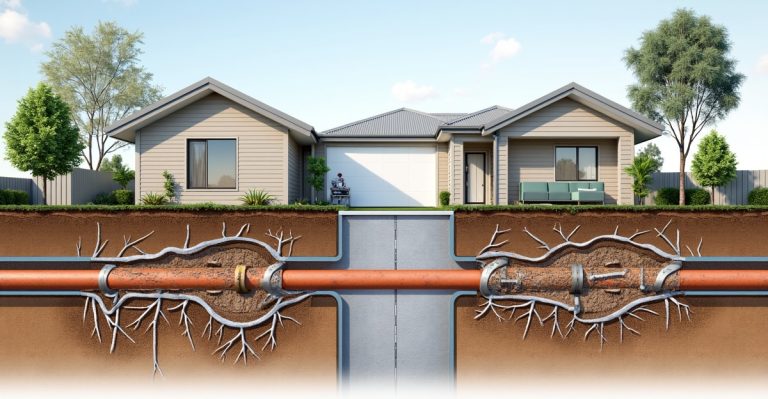
While French drains are generally low-maintenance, they aren’t completely set-and-forget. Over time, sediment or organic matter can clog the pipe or gravel bed, especially if tree roots are nearby. Installing a geotextile fabric wrap can help mitigate these risks and extend the system’s life.
Takeaway: A French drain is a powerful solution for redirecting water in yards prone to runoff, especially those with slopes or heavy clay soil. French drain installation Sydney homes benefit from offers a flexible, often DIY-friendly way to protect against water damage—provided it’s designed and maintained correctly.

What Is a Soakwell?
A soakwell is an underground water dispersal system designed to manage stormwater right at the source. Instead of redirecting water elsewhere—as a French drain does—a soakwell allows water to gradually soak into the surrounding soil, reducing surface pooling and helping to replenish groundwater levels.
This passive system is ideal for properties in or near natural ecosystems. For further insight, visit this resource on urban water and nature in Sydney, which highlights the importance of infiltration-based drainage for sustainable urban environments.
How It Works
Soakwell installation NSW often involves placing large, cylindrical or rectangular tanks made from concrete or durable plastic beneath the ground. They’re installed beneath the surface of a yard, garden, or paved area. When rainwater flows from roofs, gutters, or surface drains, it is channeled directly into the soakwell. There, the water slowly infiltrates into the surrounding soil through the walls and base of the tank.
This passive system relies heavily on the soil’s ability to absorb water, making it ideal for properties with sandy or loamy soils, which allow for fast, natural drainage. That’s why soakwells are commonly used in Sydney’s coastal and inner-city suburbs like Maroubra or Botany, where the soil is often loose and free-draining.
Soakwells are best suited for:
- Flat or low-lying yards where runoff has nowhere to travel
- Urban blocks with limited space and no slope
- Properties needing discreet, underground water control without visible surface channels
Pros and Cons of a Soakwell
Here’s how soakwells stack up:
| Pros | Cons |
| ✅ Manages water directly at the source | ❌ Ineffective in clay-heavy soils (slow infiltration) |
| ✅ Compact and hidden once installed | ❌ Requires correct positioning and soil assessment |
| ✅ Ideal for tight or landscaped areas | ❌ May overflow in heavy rain if undersized |
| ✅ Can help meet stormwater compliance in Sydney councils | ❌ Professional installation often required |
While soakwells are a great “set and forget” solution in the right environment, they aren’t one-size-fits-all. Their performance depends heavily on proper sizing and soil type. For example, in areas like Blacktown or Baulkham Hills—where clay soil is dense and drains poorly—a soakwell may struggle to disperse water fast enough, leading to overflow or surface pooling.
Takeaway: Soakwells are an efficient, discreet option for managing rainwater in flat, sandy-soil yards. But for homes in clay-rich areas, they may need to be part of a hybrid system—or avoided entirely in favour of a more dynamic drainage solution.

Key Differences Between French Drains and Soakwells
When comparing soakwell vs French drain drainage solutions, it’s important to understand how they differ across key factors that matter most—functionality, suitability for your property, and ongoing care. While both systems are designed to manage excess water, they do so in very different ways. Choosing the right one depends heavily on your yard’s slope, soil type, and the source of the water you’re trying to control.
Here’s a side-by-side look at the most important differences:
| Feature | French Drain | Soakwell |
| Function | Redirects water to another location | Absorbs water onsite through infiltration |
| Best For | Sloped, runoff-prone areas | Flat, sandy yards with poor surface runoff |
| Maintenance | Pipe flushing, clearing blockages or roots | Occasional inspection for overflow or sediment |
| Soil Compatibility | Versatile – works in clay, loam, or sand | Best in sandy or loamy soils; struggles in clay |
| Visibility | May be visible if not covered with turf/mulch | Completely hidden underground |
| Installation Cost | Moderate–high (depends on trenching, pipe) | Moderate–high (depends on tank size and depth) |
Real-World Example: Picking the Right Fit in Sydney
In Blacktown, where clay-heavy soils are common, homeowners often find that water tends to sit on the surface rather than soaking in. In this scenario, a French drain is typically more effective because it actively redirects water away from the saturated ground.
In contrast, properties in Maroubra or Botany, where the soil is sandy and drains quickly, often benefit more from soakwells. These systems allow rainwater from roofs or paved areas to slowly re-enter the ground without needing visible trenches or surface disruption—ideal for smaller urban lots or landscaped gardens.
Takeaway: When asking what’s better: French drain or soakwell?, the answer really depends on which one fits your yard’s specific conditions. Use the table above as a quick reference, but don’t hesitate to consult a drainage expert if your property has a mix of slopes, soil types, or water sources.

When to Use a Curtain Drain or Other Alternatives
While French drains and soakwells are two of the most common yard drainage solutions, they’re not the only options available. Depending on your property’s unique layout and drainage challenges, alternative systems—like curtain drains or hybrid setups—may offer a better fit or enhance overall performance.
What Is a Curtain Drain?
A curtain drain is similar in structure to a French drain but serves a slightly different purpose. Installed near the surface, it’s designed to intercept and redirect shallow groundwater or surface runoff before it can saturate your lawn or seep into foundations. A typical curtain drain consists of a gravel-filled trench with a perforated pipe, but it’s shallower and placed strategically along a slope or perimeter.
Curtain drains are ideal for:
- Preventing water from reaching your home’s foundation
- Capturing runoff from uphill neighbouring properties
- Creating a “barrier” to shield gardens or lawn areas
In sloped areas like Glenhaven or Cherrybrook, where water flows downhill and gathers near homes, curtain drains act as a first line of defence—redirecting water before it becomes a problem.
Other Alternatives and Hybrid Solutions
In some cases, combining systems can provide better results than relying on one solution alone. For example:
- Gravel trench systems (similar to French drains but without pipes) are ideal for dispersing small amounts of water in naturally draining soil.
- Hybrid systems, such as combining a French drain with a soakwell, can manage both water redirection and infiltration—especially helpful on large properties or mixed-soil yards.
- Dry wells or infiltration pits may be used alongside curtain drains in flat areas with limited slope but good soil absorption.
When a Combination Makes Sense
Hybrid drainage solutions work well when:
- Your property has both sloped and flat sections
- You need to collect water from multiple sources (e.g., roof runoff, surface pooling, groundwater)
- You’re dealing with complex soil profiles (e.g., a sandy front yard and clay-heavy backyard)
Takeaway: Curtain drains and alternative systems can be the missing piece in a well-designed drainage strategy. If your property has multiple drainage concerns, a tailored combination of systems may provide more effective, long-term results than a single solution.

Cost Comparison: French Drain vs Soakwell
When choosing between a French drain vs soakwell cost, price is a major factor—especially if you’re planning a large installation or managing multiple drainage issues. While both systems fall into a similar price range, the cost breakdown can vary significantly depending on whether you go the DIY route or hire a professional, as well as based on site-specific conditions.
DIY vs Professional Installation
Let’s look at what homeowners in Sydney might expect to pay:
| System | DIY Cost Range (AUD) | Professional Installation (AUD) |
| French Drain | $500 – $2,000 | $2,500 – $6,000+ |
| Soakwell | $400 – $1,200 | $1,800 – $4,000+ |
Note: These estimates are based on average suburban properties in Sydney and may vary depending on job complexity and site access.
DIY installations can be more budget-friendly but require tools, time, and a solid understanding of grading and soil behaviour. A poorly installed system can cause more harm than good, especially with drainage systems that rely on gravity and flow dynamics.
Professional installation, while more expensive upfront, comes with several advantages:
- Proper site assessment and soil testing
- Compliance with local council stormwater regulations
- Long-term reliability and reduced risk of costly fixes later
What Affects Pricing?
Several factors can influence the final cost of your yard drainage solution:
- Soil type: Clay-heavy soil is harder to dig and may require deeper excavation or added materials (e.g., geotextile fabric, backfill).
- Access and yard layout: Tight spaces, slopes, or heavily landscaped areas may increase labour time.
- System size and depth: Larger or more complex drainage setups will naturally cost more.
- Materials used: High-quality gravel, reinforced pipes, or larger soakwells will raise costs but often extend system lifespan.
- Permits or compliance needs: Some Sydney councils may require specific approvals or system standards, especially for stormwater management.
Upfront Cost vs Long-Term Value
It’s important to look beyond just the initial price tag. A well-designed, properly installed system can:
- Prevent expensive water damage to foundations and landscaping
- Reduce maintenance needs and future repairs
- Increase property value by resolving persistent drainage issues
Takeaway: While French drains may cost more in labour and trenching, they offer excellent long-term value for water redirection. Soakwells are often cheaper to install but depend heavily on having the right soil. Investing in the right system from the start can save you thousands in the long run.

Maintenance Considerations Over Time
No drainage system is completely maintenance-free. Whether you opt for a French drain or a soakwell, regular upkeep is essential to ensure long-term performance and to prevent minor issues from turning into major repairs. The good news? With proper installation and occasional checks, both systems can serve your property well for many years.
French Drain Maintenance
French drains rely on gravity and open pathways to redirect water, which means they can be vulnerable to clogs over time—especially if your yard has a lot of trees or fine, silty soil.
Ongoing care includes:
- Inspecting outlets and visible sections of pipe for blockages, especially after heavy rain
- Flushing the pipe system with a garden hose or jetting tool every 1–2 years to clear sediment
- Checking gravel layers (if exposed) for signs of compaction or contamination
- Monitoring for root intrusion near trees or garden beds
To reduce these risks, many professional installations include a geotextile fabric wrap to prevent soil infiltration and extend the life of the system—just as you’d want confidence in the durability of pipe relining solutions.
Soakwell Maintenance
Soakwells are typically low-maintenance when installed in the right soil conditions—but that doesn’t mean they’re “set and forget.” Because they hold water temporarily, they can be prone to sediment buildup or overflow if not sized correctly or cleaned periodically.
Common maintenance tasks:
- Inspect inlet pipes or grates for debris that could block water flow
- Check for pooling above the soakwell after rain—this could indicate the system is full or clogged
- Pump out sediment or silt buildup from the tank every few years (especially in areas with lots of roof runoff or leaf debris)
In areas with clay-heavy soil, soakwells can become overwhelmed if infiltration is too slow, leading to surface water issues even if the tank appears intact.
If you’re dealing with slow drainage or stubborn blockages, hydro jetting may be a valuable service to consider as part of ongoing maintenance.
Takeaway: Proper maintenance is key to making your drainage investment last. French drains require more frequent flushing and monitoring, while soakwells need periodic inspection and cleaning—particularly after major storms or seasonal changes. A little preventative care goes a long way in keeping your yard dry and your drainage system efficient.

How to Choose the Right Solution for Your Yard
Choosing between a French drain and a soakwell doesn’t have to be overwhelming. The key is understanding your yard’s unique characteristics and matching them to the system that fits best. Below is a practical guide to help you evaluate your options and make an informed decision.
Start by Asking These Questions
Use these questions as a checklist to assess your situation:
- Is your yard sloped or flat?
- Sloped yards tend to benefit more from French drains, which redirect water downhill.
- Flat yards may need soakwells to absorb water onsite.
- Sloped yards tend to benefit more from French drains, which redirect water downhill.
- What type of soil do you have?
- Sandy or loamy soil: Absorbs water well — suitable for soakwells.
- Clay-heavy soil: Poor drainage — French drains are often more effective.
- Sandy or loamy soil: Absorbs water well — suitable for soakwells.
- Where does the water come from?
- Surface runoff from slopes or hard surfaces? → A French drain can help channel it away.
- Gutters, downpipes, or isolated pooling near paved areas? → A soakwell may handle it better.
- Surface runoff from slopes or hard surfaces? → A French drain can help channel it away.
- Do you frequently see pooling water or soggy spots?
- If yes, identify whether the water is collecting due to poor infiltration or lack of redirection. This can guide whether you need to disperse or divert the water.
- If yes, identify whether the water is collecting due to poor infiltration or lack of redirection. This can guide whether you need to disperse or divert the water.
- Are there space or aesthetic constraints?
- If visibility and landscaping are concerns, soakwells (which are fully buried) offer a discreet option.
Local Council Considerations
Many Sydney councils have guidelines or requirements around stormwater management, especially if you’re installing systems that connect to public drains or change the flow of water. Professional installers can help you:
- Navigate permit requirements
- Ensure your system complies with local codes
- Avoid issues related to neighbours or shared boundaries
When in Doubt, Combine Systems
In complex yards—such as those with mixed slopes and variable soil—a hybrid approach may be the most effective. For instance, you might use a French drain to redirect runoff into a soakwell positioned in a better-draining area of the yard.
Takeaway: The right solution depends on understanding how your yard handles water. Take time to evaluate slope, soil, and water flow. And when in doubt, consult a drainage expert who can recommend a tailored plan that ensures long-term performance and compliance.

When to Call a Professional
While some drainage solutions can be tackled with a DIY mindset, water management is one area where getting it wrong can lead to long-term headaches—and costly repairs. If you’re unsure about your yard’s slope, soil type, or where water is actually going, it’s a smart move to call in a professional.
At In House Plumbing, we specialise in custom drainage assessments tailored to Sydney properties. With over 20 years of experience and a deep understanding of local soil types—from the heavy clays of the Hills District to the sandy coastal zones—we know what works and where it works best. Our team doesn’t just install systems—we design them based on your property’s unique needs and long-term performance.
We also pride ourselves on:
- Transparent pricing with no hidden surprises—plus clear explanations to help you understand plumbing service costs for your drainage or waterproofing project.
- Clean, respectful workmanship—your yard will be left better than we found it
- Clear communication from quote to completion
- On-time, professional service trusted by homeowners and property managers across Sydney
Whether you’re planning a new landscape, struggling with soggy garden beds, or just want peace of mind before the next big storm, we’re here to help.
Take the guesswork out of your yard drainage—schedule an expert inspection with In House Plumbing today or request a free, no-obligation quote.
Frequently Asked Questions
It depends on your yard’s layout and soil type. A French drain is better for sloped yards or areas with heavy runoff that need water redirected elsewhere. A soakwell works well in flat yards with sandy or loamy soil where water can be absorbed into the ground. The “better” option is the one that suits your specific drainage needs.
Yes, combining both systems can be very effective—especially on larger or more complex properties. For example, a French drain can redirect water to a soakwell placed in a part of the yard with better soil drainage. This hybrid approach offers both redirection and infiltration in a single solution.
Costs vary depending on the system, site conditions, and whether you DIY or hire a professional. On average:
-The cost to install French drain in Sydney typically ranges from $2,500 to $6,000+ for professional services.
–Soakwells typically cost $1,800 to $4,000+, depending on tank size and depth.
DIY options are cheaper but require more effort and expertise.
Not effectively. Clay soil absorbs water very slowly, which can lead to the soakwell overflowing or backing up during heavy rain. In clay-heavy areas (like Blacktown or Baulkham Hills), a French drain is usually a more reliable solution.
Common signs include:
Water pooling or puddling after rain
Soggy, muddy patches that don’t dry out
Damp foundations or mold near walls
Grass or plants dying from too much water
If you notice any of these, it’s worth having a drainage expert assess your property to avoid long-term damage.