How to Unclog a Toilet Without a Plunger (Step-by-Step)

We’ve all been there—standing over a toilet that won’t flush, with water slowly rising and no plunger in sight. If you’re searching for how to unclog a toilet without a plunger, don’t panic. This guide walks you through how to unclog a toilet without a plunger using safe, practical, and chemical-free methods that actually work.
Whether you’re dealing with a mild blockage or a slow-draining bowl, Each section below outlines ways to fix a blocked toilet without using a plunger quickly and safely, without damaging your toilet. or reaching for harsh chemicals:
- Use Hot Water and Dish Soap
- Try Baking Soda and Vinegar
- Use the Bucket Pour Method
- Try the Toilet Brush Trick
- Use a Wire Hanger (Carefully)
- Wait It Out Overnight (Soak and See)
- Try an Eco-Friendly Enzyme Cleaner
First, let’s look at the simplest solution using hot water and a little dish soap.

1. Use Hot Water and Dish Soap
If you need to fix a clogged toilet fast and don’t have a plunger handy, one of the simplest and safest methods to unclog a toilet with hot water and dish soap involves using two everyday items you already have. This method is ideal for what to do when you don’t have a plunger and are dealing with softer clogs caused by excess toilet paper or organic material. and can often provide a quick toilet unclog without any special tools.
Step-by-Step Instructions:
- Add Dish Soap First
Pour about half a cup of liquid dish soap into the toilet bowl. The soap helps break down greasy waste and coats the inside of the pipes, allowing material to slide through more easily. - Let It Sit
Give the soap 10–15 minutes to settle and work its way into the clog. If the toilet bowl is already full, avoid flushing at this stage—just let gravity and time do the work. - Add Hot (Not Boiling) Water
Heat a bucket of water until it’s hot but not boiling (boiling water can crack ceramic toilet bowls, especially in older Sydney homes). Carefully pour the hot water from waist height into the bowl. The pressure from the pour, combined with the soap, helps dislodge the blockage. - Wait and Observe
Allow a few more minutes. You may hear gurgling as the water level drops—this is a good sign. If the water drains, flush once to confirm the clog has cleared. - Repeat If Needed
If nothing happens on the first try, repeat the process once more. Two rounds are often enough for mild clogs.
Why It Works
This method is a favourite among plumbers and DIYers alike because it’s gentle on your plumbing and doesn’t require any equipment. It’s also a great home remedy for clogged toilets in situations where you need a solution immediately—like late at night or during a public holiday when hardware stores are closed.
Key Takeaway: Using hot water and dish soap is one of the easiest and most effective ways to unclog a toilet without a plunger. It’s safe, chemical-free, and ideal for minor blockages—just be sure not to use boiling water, and always give the soap a few minutes to do its job before pouring.

2. Try Baking Soda and Vinegar
Looking for a natural, chemical-free way to break up a toilet clog? The classic baking soda and vinegar method is a go-to for unclogging a toilet naturally—safe, simple, and surprisingly effective. It’s especially useful when you’re dealing with a blockage caused by organic buildup and want to avoid harsh cleaners.
Step-by-Step Instructions:
- Ensure the Bowl Isn’t Overflowing
If your toilet is already full, wait for the water level to drop or manually remove some water using a small container. This gives the reaction space to work. - Pour in Baking Soda
Add about one cup of baking soda directly into the toilet bowl. Make sure it settles around the area where the blockage is most likely located. - Slowly Add Vinegar
Pour in roughly one to two cups of white vinegar. Pour it slowly to avoid splashing, as the reaction between the two ingredients will cause fizzing and bubbling. - Let the Reaction Work
Allow the mixture to sit and fizz for 15 to 30 minutes. This reaction helps loosen and dissolve gunk in the drain without damaging your pipes. - Add Hot (Not Boiling) Water
After the fizzing settles, pour a bucket of hot (not boiling) water into the bowl to help flush the mixture and any loosened debris through the pipes. - Test with a Gentle Flush
Try flushing the toilet. If the clog is gone, the water will drain smoothly. If not, it’s safe to repeat the process once more.
Why It Works
This baking soda and vinegar method is one of the most effective home remedies to unblock a toilet. The foaming reaction helps shift soft blockages, especially those caused by paper or waste buildup. And because it’s chemical-free, it’s an excellent option for households that prefer eco-friendly toilet unclogging methods.
Key Takeaway: As far as home remedies for clogged toilets go, baking soda and vinegar offer a safe, eco-conscious way to tackle minor blockages. It’s inexpensive, easy to use, and a great option when you want to avoid both a plunger and harsh chemicals. Just be patient and allow the fizzing to do the heavy lifting.
For a detailed visual guide, you can also refer to Mr. Rooter’s baking soda and vinegar method, which outlines the steps with added clarity.

3. Use the Bucket Pour Method
If your toilet’s not draining and you need a quick fix with zero tools, the bucket pour method is a simple, effective technique that uses water pressure to break up a soft clog. Think of it as creating a manual flush—one that’s often more powerful than the tank itself.
Step-by-Step Instructions:
- Fill a Bucket with Hot (Not Boiling) Water
Heat about 4–5 litres of water until it’s hot but not boiling. Boiling water can damage porcelain, so stick to hot tap water or slightly warmer. A mop bucket works well for this. - Check Water Level in the Bowl
If the toilet bowl is already close to full, scoop out some water first using a small container. You need space for the added water to avoid overflow. - Pour the Water From Waist Height
Stand over the bowl and pour the water steadily from waist height. The pressure created by the falling water helps push the blockage through the trap and into the pipes. You’re aiming for force—not flooding. - Wait a Minute or Two
If the method worked, you should see the water level drop as the clog clears. A gurgle or swirl is usually a good sign the blockage has been dislodged. - Test with a Flush
Give the toilet a gentle flush. If it drains normally, you’re good to go. If not, the process can be repeated safely one more time.
Why It Works
The bucket method for toilets relies on gravity and water force to unclog without tools. It’s best suited for soft clogs, like excess paper or light organic buildup, and is often all you need for a stubborn but shallow blockage.
Key Takeaway: If you’re caught without a plunger and need a fast, practical fix, the bucket pour method is one of the easiest ways to get a toilet draining again. Just be careful with water temperature, and make sure the bowl has room before you pour—this method is about controlled force, not creating a mess.

4. Try the Toilet Brush Trick
When you’re facing a toilet clog with no tools and you need an immediate workaround, your toilet brush can do more than just clean—it can help unclog your toilet in a pinch. This method is quick, hands-on, and effective for shallow clogs when there’s no plunger available.
Step-by-Step Instructions:
- Check the Water Level
If the bowl is full, wait for the water to settle or remove some using a small container. You’ll need room to work without risking an overflow. - Use the Brush as a Makeshift Plunger
Angle the brush so the bristles point down into the drain hole. Then gently but firmly push the brush in and out of the hole, creating a plunging motion. This movement helps dislodge the clog by applying short bursts of pressure. - Swirl for Added Effect
After the push-pull motion, give the brush a few firm swirls around the bowl to stir the water and help move the blockage along. - Flush Gently to Test
If the water starts draining, try a light flush to see if the blockage has cleared. Be ready to stop the flush if water begins rising again. - Clean the Brush Thoroughly Afterwards
Don’t forget to sanitise the brush when you’re done. Rinse it in the bowl once it’s clear, then soak it in a bleach solution or disinfectant.
Why It Works
This toilet brush trick works much like a light-duty plunger. By creating pressure in the drain and stirring up the blockage, it can often unclog your toilet without tools—especially if the issue is close to the surface and not deeply lodged.
Key Takeaway: The DIY toilet unclog approach using your brush is a last-resort method that often surprises people with how effective it can be. It’s not glamorous, but when you’re stuck without options, this simple hack can help buy you time—or even fully clear the clog. Just be sure to clean up properly afterwards.
For recurring minor issues, it may help to schedule regular general plumbing maintenance to keep your system in top shape.

5. Use a Wire Hanger (Carefully)
If your toilet is still blocked after trying gentler methods and you’re dealing with a toilet stuck at night with no plumber or snake in sight, a basic wire clothes hanger can act as a makeshift toilet snake substitute. This method can reach deeper clogs but should be used with care to avoid scratching or damaging the porcelain bowl.
Step-by-Step Instructions:
- Prepare the Hanger
Find a metal wire hanger and straighten it out as much as possible. Leave a small hook on one end to help navigate through the drain. For added safety, wrap the end with a bit of cloth or duct tape to protect the bowl’s surface. - Protect the Area
Lay down old towels or newspaper around the base of the toilet—you’re going to be up close and personal, and splashes can happen. - Insert the Hanger Gently
Slowly feed the hanger into the drain opening, guiding it through the curve of the toilet trap. Move it gently to avoid scraping the porcelain. - Feel for the Blockage
When you feel resistance, you’ve likely reached the clog. Carefully push and twist the hanger back and forth to break up or shift the obstruction. - Withdraw and Test
Remove the hanger and give the toilet a test flush. If the water drains as normal, the job is done. If not, you can try again once—but don’t force it. - Clean and Disinfect Thoroughly
Dispose of or clean the hanger, and be sure to sanitise the toilet area afterward.
Why It Works
This hanger-to-unclog-toilet method mimics how a plumber’s snake works—just on a more basic level. It’s effective for reaching clogs that are just out of reach of water-based solutions, especially late at night or during emergencies when professional tools aren’t available.
You can also check out Family Handyman’s step-by-step guide on unclogging a toilet with a hanger for a visual walkthrough.
Key Takeaway: A wire hanger can be a helpful backup when other methods fail, acting as a temporary toilet snake substitute. Just remember: go slow, protect the bowl, and know your limits. If repeated attempts don’t work, or if the clog is deep and persistent, it’s best to call in a professional to avoid damaging your pipes or toilet.
If you’re dealing with recurring or urgent issues, emergency plumbing assistance may be necessary.

6. Wait It Out Overnight (Soak and See)
Sometimes the most effective fix is the one that doesn’t require any effort at all. If you’re dealing with a slow-draining toilet or a blockage that isn’t severe enough for emergency action, giving it time can be surprisingly effective. Letting gravity do the work overnight allows water pressure and gradual soaking to break down a stubborn toilet blockage without tools or chemicals.
Step-by-Step Instructions:
- Avoid Flushing Again
If your toilet won’t flush and the bowl is full, resist the urge to flush repeatedly. This can cause an overflow and worsen the situation. - Leave the Toilet Undisturbed
Allow the water to sit in the bowl overnight. Over time, it will slowly seep through the clog, softening any trapped material like excess toilet paper or organic waste. - Check the Water Level in the Morning
If the water has drained or is noticeably lower, it’s a sign the blockage is beginning to loosen. - Test with a Gentle Flush
Try one flush to see if normal flow resumes. If it drains properly, you’re in the clear. If the clog remains, consider following up with a method like hot water and dish soap or baking soda and vinegar.
Why It Works
Gravity, time, and water pressure are often enough to gradually break down soft clogs. This method is ideal when the issue isn’t urgent but the toilet won’t flush completely. It’s also a great low-risk first step before trying more hands-on solutions.
Key Takeaway: For minor clogs and slow draining toilets, sometimes patience is the best tool in your kit. Letting the toilet sit overnight gives the blockage time to soften and resolve on its own—no splashing, no chemicals, no mess. Just be ready to act with another method if it’s still blocked in the morning.

7. Try an Eco-Friendly Enzyme Cleaner
If you prefer a low-effort, store-bought solution that’s safe for your plumbing and the environment, an enzyme-based toilet cleaner is a great option. These cleaners are designed to break down organic waste using naturally occurring bacteria and enzymes—making them a chemical-free toilet unclog solution that’s both effective and gentle.
Step-by-Step Instructions:
- Choose the Right Product
Look for an enzyme drain cleaner that’s labelled safe for toilets and septic systems. These products are often sold at hardware stores or online and are marketed as natural ways to clear a toilet. - Follow the Instructions on the Label
Each product may have slightly different usage guidelines, but most will instruct you to pour a specific amount into the toilet bowl and leave it to sit for several hours (or overnight) without flushing. - Let It Work Undisturbed
The enzymes need time to break down the clog, especially if it’s made of waste, paper, or organic buildup. Avoid using the toilet during this period to allow the cleaner to do its job effectively. - Flush the Toilet
After the recommended time has passed, flush once to see if the clog has cleared. If not, a second application may help or it may be time to try a more hands-on method.
Why It Works
Unlike chemical drain cleaners—which can damage pipes, harm the environment, or pose safety risks—enzyme cleaners offer a homemade toilet unblocker feel with professional-grade results. They’re especially useful for slow, recurring blockages or for people who want to keep their plumbing system healthy over the long term.
Key Takeaway: Enzyme-based cleaners are an excellent choice for those looking for chemical-free toilet unclog solutions. They’re safe, eco-friendly, and easy to use—making them a smart first step or follow-up to other DIY methods. Just remember: they require time, not force, so patience is key.

Conclusion: Simple Fixes for a Stubborn Toilet
Dealing with a clogged toilet—especially when you don’t have a plunger—can feel frustrating and inconvenient. But as you’ve seen, there are several safe, effective, and low-cost ways to get things flowing again using household items and a bit of patience. From the hot water and dish soap trick to the baking soda and vinegar reaction, and even using a bucket pour method or toilet brush workaround, these DIY approaches can often clear a clog without any special tools.
For tougher or deeper blockages, more hands-on methods like the wire hanger trick or an eco-friendly enzyme cleaner offer added support while keeping your plumbing safe. And sometimes, simply waiting overnight is all it takes for a soft clog to break down naturally.
You’ve tried smart solutions that respect both your home and your plumbing—and that’s exactly the kind of thoughtful approach we recommend. But if your toilet still won’t budge, or if the problem keeps coming back, it may be time to call in a professional. Whether it’s a stubborn clog or signs your unit may need replacing, our expert Toilet Installation & Repair service can help restore comfort fast.
Still stuck? We’re happy to help—no mess, no stress. Reach out to the team at In House Plumbing for fast, friendly service that gets the job done right the first time. Or get in touch today to schedule a service.
FAQs About Unclogging a Toilet Without a Plunger
The best method depends on the severity of the clog, but starting with hot water and dish soap is a safe and effective first step. It helps lubricate the pipes and break down soft blockages quickly. If that doesn’t work, the baking soda and vinegar method or bucket pour technique are great next options.
Yes, for minor clogs caused by toilet paper or organic buildup, this natural reaction can help loosen blockages without damaging your plumbing. It’s a gentle and chemical-free toilet unclog solution—just remember to follow with hot water to help flush everything through.
Yes—but only if the water is hot, not boiling. Pouring boiling water into a porcelain toilet bowl can cause it to crack, especially in older Sydney homes. Stick to very warm tap water and pour it from waist height for the best results.
Common items like dish soap, hot water, baking soda, vinegar, a toilet brush, and even a wire hanger can be used in a pinch. These make up a range of home remedies for clogged toilets and are particularly handy when you don’t have access to traditional tools like a plunger or snake.
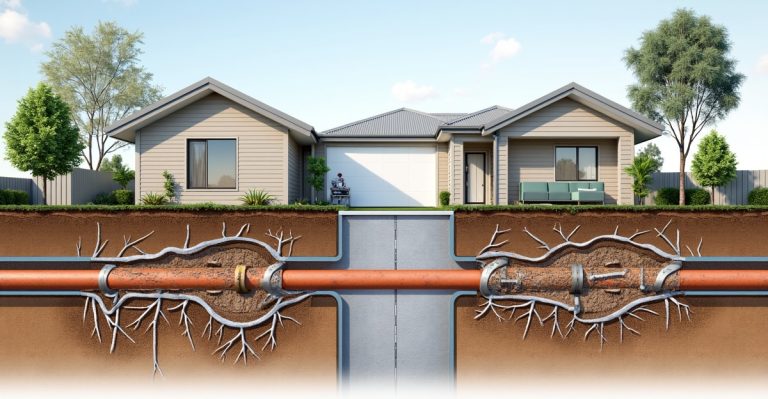
If you’ve tried two or more methods with no success, if the toilet keeps backing up, or if water is rising and not draining at all, it’s time to bring in a professional. Recurring clogs could be a sign of deeper issues like blocked sewer lines or tree root intrusion. In House Plumbing is here to help when DIY just isn’t cutting it—cleanly, quickly, and without the mess.