The Right Plumbing Sequence for Bathroom Renovations

Renovating a bathroom in Sydney requires more than choosing tiles and taps. Getting the plumbing sequence right—from shutting off the water supply to the final fit-off—helps avoid costly errors, budget blowouts, and compliance issues under NSW regulations. We’ve broken down each key stage with local insights and proven advice to make your renovation smooth and hassle-free.
Key Takeaways
- Always turn off the main water supply and confirm access. This step is especially important in older properties and strata units across NSW.
- Involve your plumber early. Lock in your layout and fixture positions before demolition kicks off.
- Get the plumbing rough-in done and inspected before starting any waterproofing or tiling.
- NSW laws demand licensed plumbers and official compliance certification. Skip this, and you risk insurance trouble and safety problems later.
- Follow the right steps—from layout planning to inspections to final fit-off—to avoid delays, cut rework costs, and stay on schedule.
What Happens First: Shutting Off the Water and Planning Your Layout
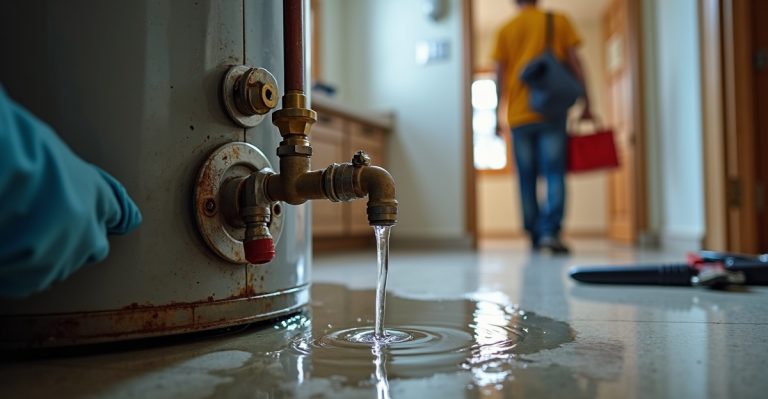
Before the dust flies or tiles go down, your bathroom renovation begins with something deceptively simple—shutting off your water. It sounds easy, but in our experience across Sydney, it’s a step that’s often skipped or delayed, risking serious damage and expensive delays. Whether you’re replacing a single vanity or reworking an entire layout, always make sure the water’s off and safe access is arranged.
In many Sydney units, especially strata-managed ones, you may need to book time with building management to access water mains. For houses, it’s usually a quick shut-off at the meter, but always confirm ahead with your plumber—particularly if your mains tap is corroded or hidden under landscaping.
Next comes the planning. Work closely with your plumber to assess your current plumbing setup. Are you hoping to install a freestanding bath, add a second showerhead, or switch to a wall-hung vanity? These changes may involve rerouting drains, resizing supply pipes or updating ventilation—for example, we recently caught a misaligned waste pipe during a walk-through in Marrickville that saved the owner a $1,200 rework.
This is when smart planning pays off. We’ll map out fixture locations, check access to existing pipework, and consider how your new layout affects the plumbing sequence. It’s essential to avoid unnecessary demolition or changes down the track that could blow your budget.
Property managers should also work across trades to schedule low-impact installation times, especially in shared or commercial bathrooms. Getting the layout right early helps you keep your reno on time and avoid major hold-ups.
Not sure how your layout choices affect plumbing? Our guide on why plumbing layout matters in bathroom design breaks it down.
The Rough-In Phase: Plumbing That Happens Inside the Walls and Floor
Once the plan’s confirmed and demolition is done, it’s time for rough-in. This is the stage where we install the hidden backbone of your bathroom—everything inside your walls and under the floor.
This includes:
- Drainage pipes for sinks, showers, baths, and toilets
- Water pipes for taps, mixers and showerheads
- Ventilation pipes and sometimes gas lines if there’s underfloor heating or similar systems
We do all of this before flooring, waterproofing or tiling begins—because once they’re in, changes become difficult and costly.
In Sydney, only a licensed plumber can carry out this work. Depending on the layout’s complexity and bathroom size, your rough-in might take 1–2 days. We’ll also check critical angles like the “fall” of your floor so waste pipes drain correctly, as well as space inside wall cavities for mixers or in-wall cisterns.
It’s not just about placement. We’re also checking for compliance to ensure your setup meets NSW codes—pipe sizing, ventilation, backflow prevention, and more. Getting this wrong could mean a full redo later.
For a walkthrough of what to expect, check out our step-by-step guide to bathroom plumbing rough-in.
NSW Plumbing Inspections & Compliance: Why They Can’t Be Skipped
After rough-in is complete, there’s one more step before we close up your walls: the plumbing inspection. It’s required under NSW law, and for good reason—it protects your investment.
Your licensed plumber will book a site visit with a local certifier. This inspector checks the plumbing layout, pipe sizing, waterproofing junctions, and compliance with the Building Code of Australia. The inspection must happen before waterproofing or wall lining goes in, or you risk having to rip everything back out.
For business owners or landlords, compliance matters even more. Non-compliant work can void insurance claims or pose safety risks to tenants. You’re also required by law to use accredited professionals in renovation projects like this.
Remember to ask for proof—your plumber should supply evidence of their licence and any sign-off documentation. If you’re based in NSW and have any concerns, we’re happy to take a look and guide you through it.
Need more clarity on how long the whole process takes? Our article breaking down the complete bathroom renovation timeline for Sydney covers inspections and sign-offs in more detail.
Waterproofing and Other Trades: Getting the Order Right
Once your rough-in has passed inspection, next up is waterproofing. This is a protective layer applied to your floors and walls to prevent water leaks—especially important around showers, baths and underfloor areas.
It’s critical to get the order of trades right here. Too often in Sydney bathrooms, we’ve seen waterproofing done before plumbing is signed off, or tilers show up while a pipe’s still exposed. These mistakes cost time and money.
The correct sequence usually goes like this:
- Plumbing rough-in completed and inspected
- Waterproofing membrane applied and cured
- Tiling and wall sheeting
- Fit-off and finish work
We always recommend hiring trades who play well together—or asking your plumber if they work closely with trusted local tilers, waterproofers or fitters. Coordinating timelines saves you stress and protects the quality of your renovation.
To avoid surprise delays, check out our article on what comes first—waterproofing or plumbing. It’s a common pain point and easy to get wrong without the right advice.
Fit-Off Stage: Installing Your Fixtures and Making It All Work
With waterproofing and tiling out of the way, the exciting stuff begins—fitting off.
This is when we install the visible gear that turns your reno into a real-life bathroom: toilets, showers, vanities, mixer taps and more. We also handle reconnecting your water, testing drains, and checking sealants around joins.
At this stage, your plumber should be working off your final layout plan, double-checking everything from hot/cold tap orientation to pressure balancing. It’s quality control that makes all the difference for long-term comfort.
We always test:
- Tap pressure and temperature consistency
- Proper drainage with no pooling or slow flow
- Leak tests at all joints and seals
- Orientation and alignment of hardware
In a recent Inner West commercial fit-out, we completed all toilet and basin connections overnight to avoid disrupting cafe business hours. These flexible strategies matter when timing is tight.
Need to choose solid, reliable fixtures for your bathroom? We’ve done hundreds of successful installs including new showers, toilets, and vanities. It pays to get expert input before buying anything off the shelf.
Before You Wrap: Final Checks, Clean-Up & Protecting Your Investment
Even after your shiny new taps and tiles are in, there’s still work to be done.
We always recommend a final plumber walkthrough. This involves leak tests, pressure adjustments, and confirming fixtures match your agreed plan. For example, making sure mixer handles open in the correct direction or ensuring toilet pans properly align with the wall finish.
A good clean-up goes a long way too. Leftover silicone blobs, offcuts or tools aren’t just untidy—they can clog drains or create safety hazards. We clear site waste, sweep floors, and test every drain as part of our standard closeout.
Don’t forget the paperwork. Ask your plumber for:
- Compliance certificates (required for most NSW properties)
- Warranty information on tapware, mixers and cisterns
- Maintenance advice for new features—especially waterproof seals
If this is an investment property or commercial bathroom, keep your documents in case of insurance reviews or future sales.
Want long-term peace of mind? We often recommend checking your bathroom plumbing again in 6–12 months, especially if you’ve had major works done or noticed early signs like small drips or slow drainage.
Need more info on what not to do? Our run-through of common plumbing mistakes in bathroom renovations covers the biggest traps we see.
We’ve guided hundreds of Sydney homes and businesses through bathroom renos—get in touch and let’s make yours smooth and stress-free.