Why Plumbing Layout Matters in Bathroom Design

A smart bathroom plumbing layout goes far beyond simply connecting pipes. It forms the foundation for how efficiently your bathroom performs every day. Across Sydney, a well-thought-out layout helps avoid expensive drainage problems, keeps water pressure consistent, and reduces unexpected call-out fees.
Key Takeaways
- Effective planning looks at fixture positions, drainage fall, pipe diameter, and ventilation—each one key for reliable function and legal compliance.
- Bad layouts often trigger pressure loss, drain blockages, and noisy pipes—all preventable with clear thinking from the start.
- Moving toilets or showers far from existing plumbing can send costs skyrocketing—some projects see plumbing expenses rise by thousands.
- Smart design ensures you meet NSW plumbing standards while reducing health hazards like water cross-contamination.
- Working with a licensed Sydney plumber early helps streamline decisions, speed up approvals, and reduce costly surprises later on.
What a Good Plumbing Layout Actually Includes (And Why It’s Not Just About Pipes)
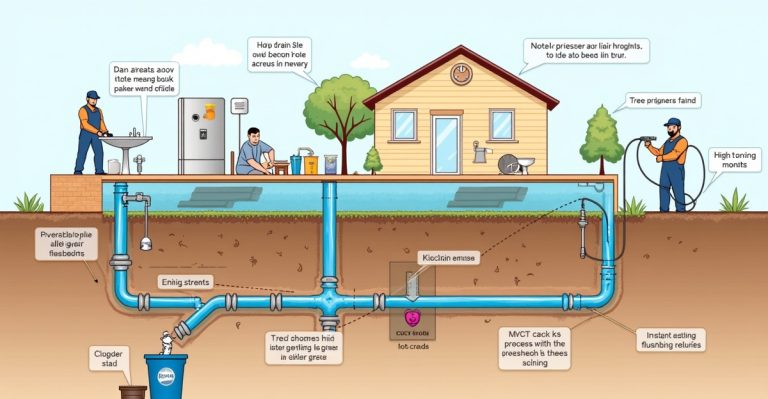
A solid bathroom plumbing layout design covers a lot more than just where the pipes go. It’s about function, flow, and setting your renovation up for success. Here’s what that includes:
- Water supply line positions
- Drainage pipe routing
- Fixture locations such as your toilet, shower, vanity, and bath
- Ventilation lines (like vent stacks)
- Proper drainage fall (the slope in your pipes that helps water flow)
- Pipe sizing for both hot and cold water
Let’s explain a couple of terms we use often around Sydney jobs:
- A “vent stack” is a vertical pipe that lets air into your plumbing system. That stops gurgling, helps water drain properly, and keeps bad smells away.
- A “wet wall” is a wall that contains supply or waste pipes. Planning wisely here avoids overcrowding and future repairs.
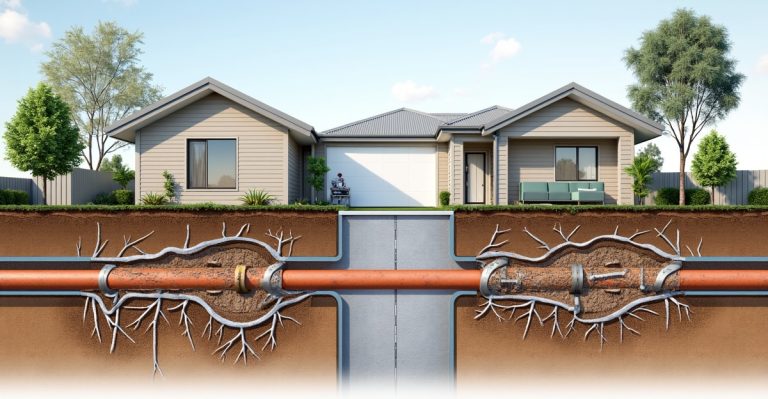
A bad layout often includes tight corners, long pipe runs, and too many joins. All of that spells more chances for blockages and issues later. Picture this: a bathroom where the shower drains slowly and the vanity pipes gurgle when the toilet’s flushed. That’s usually due to poor pipe design, not faulty fixtures. Want to learn how to plan bathroom plumbing the right way? Start with the layout.
Plumbing Layout Mistakes That Can Derail Your Renovation
Don’t Let These Common Mistakes Cost You
A smart layout avoids these traps:
- Moving fixtures too far from existing plumbing—it’s how a 1.5m toilet shift in a Glebe terrace added $3,000 in repiping.
- Forgetting the drainage slope—like in a Federation home in Balmain, where stunning tiles had to be pulled up due to constant backups.
- Cramming too many pipes into the wet wall—makes future repairs harder and often leads to pressure drops.
- Prioritising trends over function—open plans or floating vanities that don’t suit compact Eastern Suburbs bathrooms.
For a breakdown of how these can impact your budget, see our guide to hidden plumbing costs in bathroom renovations.
How Your Layout Affects Water Pressure, Drainage & Daily Use
An efficient bathroom layout improves more than just looks—it affects how everything works, every day.
Water pressure drops the further water has to travel, especially if you’ve got old pipes or lots of fixtures. Poor drainage layout? That’s when showers start pooling water because the slope’s wrong or the pipes are too narrow. More joins also mean more chances for leaks down the track.
We’ve helped fix drainage speed issues in Inner West homes where older clay pipes couldn’t handle today’s high-flow fixtures. In Sydney apartments, compact spaces mean planning for access and ventilation is critical.
Want to better understand why rough-in plumbing matters for performance? We’ve got a clear breakdown to help.
The Cost Factor: Smart Layout Choices That Save You Money
Bathroom renovation plumbing costs jump fast when layout changes aren’t thought through. Reusing existing plumbing lines is often the best money-saver.
Moving a toilet could increase labour by 200%. In one Chatswood property, keeping existing supply lines saved over $2,000.
Staging your upgrade is another smart move—get the layout sorted now, then update fittings later. Don’t forget to check if council approval or a NSW plumber’s sign-off is needed if you’re changing plumbing lines.
Explore smart plumbing design for bathroom renovations to keep your costs and timeline realistic.
Compliance and Safety: Why Layout Isn’t Just a Design Choice
Beyond the look, your bathroom plumbing layout design must meet NSW building and plumbing standards. That includes minimum clearances between fixtures, correct floor waste spots, and proper ventilation.
Bad layouts risk more than blockages—they can cause safety hazards like water contamination or make shut-off valves hard to reach in an emergency.
Choosing certified experts means you’re more likely to breeze through approvals and avoid costly redos. Proper waterproofing also depends on good planning from the start.
When to Call a Professional (And What to Ask Before Work Begins)
Planning a bathroom upgrade in Sydney? It’s worth having a licensed plumber check your current setup first. Not sure what’s going on with your pipes? We’re happy to take a look.
Here’s what to ask a plumber before you start:
- Will this layout meet council codes?
- Can we stage the plumbing work?
- What layout gives us the best pressure and drainage over time?
Working with a Sydney bathroom plumber means we know local rules, building types, and what works long term in homes from Parramatta to Newtown.
Ready to plan your best bathroom yet? Check out our plumbing services for bathroom renovations in Sydney.