Why Drain Slope Is Critical in Bathroom Renovations

Getting the bathroom drain slope right during a renovation isn’t optional—it’s critical for proper function and durability. Drain slope directly affects how water flows, how clean the space stays, and how often repairs are needed. Poor drainage causes issues we’d all rather avoid, like mould, unpleasant smells, and expensive fixes down the line.
Key Takeaways
- An incorrect slope leads to standing water, clogs, and water damage over time.
- Slopes that are too steep or too shallow create different issues—waste may get trapped, or water might drain too slowly.
- Many older homes in areas like Marrickville use outdated drainage systems that don’t align with modern plumbing expectations.
- Fixing a bad slope after tiling or waterproofing adds major cost and often involves tearing into recent work.
- The Sydney plumbing code (AS/NZS 3500) outlines exact slope requirements. Precision in this step ensures your project passes inspections and holds up over time.
What Happens When the Slope is Wrong?
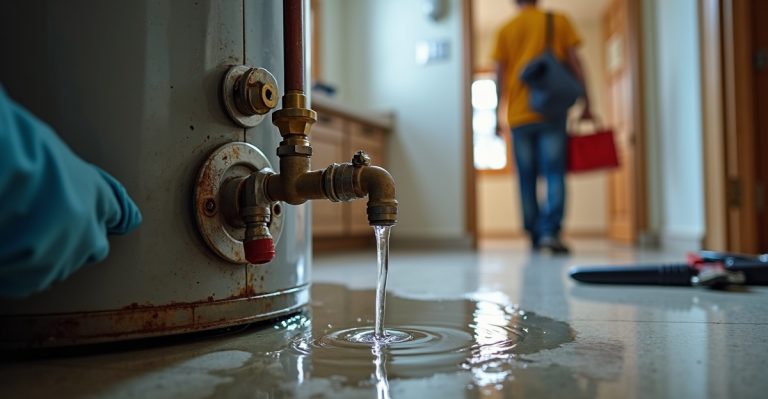
Incorrect bathroom drain slope causes serious problems, and they often show up sooner than you’d expect. Think of your drain like a gentle slide—if it’s too flat, water just sits there; if it’s too steep, it rushes past too fast, leaving solids behind. Either way, the water doesn’t drain the way it should.
Here’s what we’ve seen go wrong with poor drain slope:
- Water pooling in your shower or around the floor waste
- Blocked drains that clog more often than they should
- Musty or sewer smells hanging around the bathroom
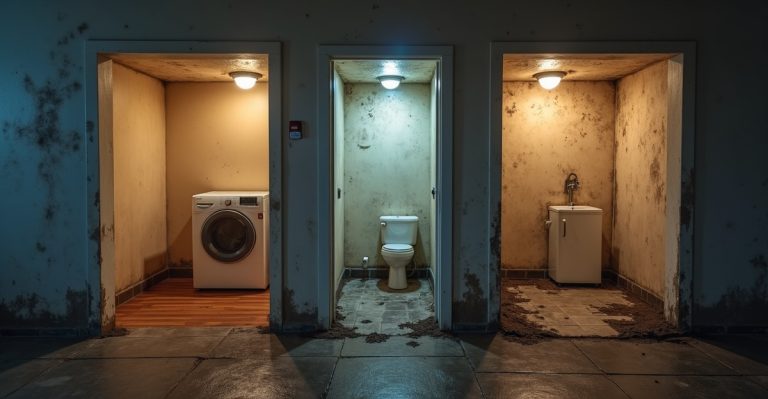
- Long-term water damage or mould hidden behind tiles
We helped a couple in Marrickville recently who were dealing with a flooded ensuite only three months after their “dream” renovation. Everything looked great on the surface, but when we cut open the floor to investigate, we found the slope was completely off. The water had nowhere to go and backed up under the tiles.
Small businesses aren’t immune either. Cafes, salons, and medical centres often deal with high-use restrooms. A bad slope in these settings means higher hygiene risks, unpleasant smells, and frustrated customers—not great for business.
If you’re curious about other common renovation errors, take a look at these common plumbing mistakes in bathroom renovations. It’s better to catch them early.
Signs Your Bathroom Drain Slope Might Be Off
Spotting improper drain slope symptoms early can save you thousands later. Here are some easy signs to look out for at home or in your property:
- Water draining slowly from sinks, showers, or the bathtub
- Gurgling noises in the pipes after you flush or use a tap
- Persistent puddles around floor drains or the toilet base
- A musty or sewer smell that won’t go away
- Mould creeping up behind cabinetry or along tile edges
Experiencing any of these in your bathroom? Your slope might be the culprit. Give us a bell—we’re happy to check it out.
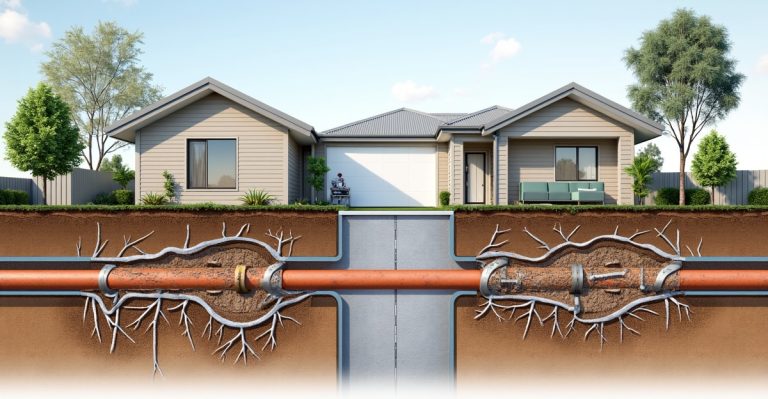
Older homes in areas like Leichhardt and Marrickville often have outdated plumbing that’s not up to current standards. We’ve seen many with drains laid almost flat, which worked okay decades ago but no longer meet code—and definitely don’t handle today’s water usage or appliance standards.
So What Exactly Is Drain Slope, and Why Does It Matter?
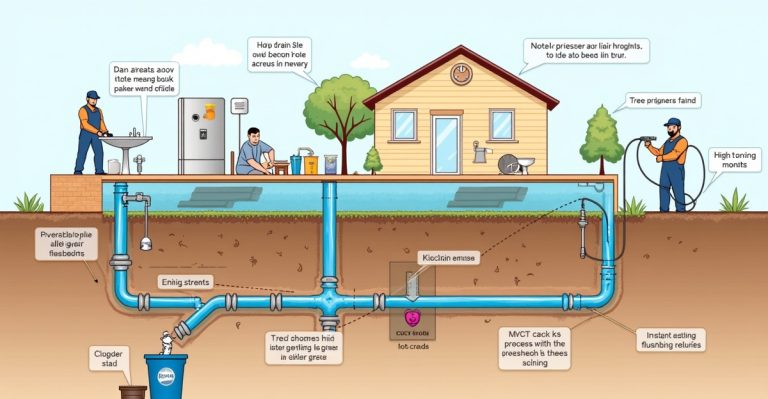
Drain slope—sometimes called “fall” or “gradient”—is simply how steep your pipes are tilted to help wastewater flow. It’s like your sink pipe having just the right tilt. Too flat, and the water sits there. Too steep, and solids get left behind.
For most Sydney bathrooms, the right slope depends on the pipe size:
- For 40mm pipes (typically basins), a 1:20 gradient is needed—that’s a 5mm drop for every metre of pipe
- For 100mm pipes (like toilet drains), the standard is 1:60—about 1.7mm per metre
These figures come from AS/NZS 3500, the standard plumbers follow across NSW.
In real homes—especially older terraces or tight apartment spaces—achieving that perfect slope isn’t always easy. Pipes might need to go around beams or under slab flooring. That’s why a custom plan makes all the difference.
To learn more about how drain slope shapes the whole layout, check out why plumbing layout matters in bathroom design. It’s the kind of thing that makes or breaks a reno.
Why It’s Crucial to Get It Right During a Renovation
Drain slope isn’t something to “fix later.” It needs to be done right from day one of your bathroom renovation. We’ve seen plenty of disasters where someone moved a shower or bath and didn’t adjust the slope. Three months later? Blocked pipes, damaged tiles, and a renovation that now needs redoing.
Fixing bad slope after the fact can cost anywhere from $1,500 to over $5,000, depending on access. In some cases, you’re cutting through fresh tile or new concrete just to reach the pipe.
Here’s when it’s crucial to confirm slope:
- Before relocating a toilet, bath, or vanity
- While rebuilding the tiling bed or waterproofing a shower
- During any flooring work, especially in houses on a slab
Tight-access homes, like townhouses or slab-on-ground properties, can be especially tricky. Don’t forget that in apartments, strata approval might be needed before any drain changes are made.
Planning a bathroom upgrade? Make sure your drainage is set up to last.
What Sydney Code Says: Doing It by the Book
Sydney and NSW plumbing is governed by the AS/NZS 3500 code. It sets minimum fall requirements and is enforced by local councils and water authorities.
Here’s what it boils down to:
- Horizontal drainpipes must meet minimum slope grades based on size
- Rough-in inspections check that gradient before walls and floors are sealed
- If your drains don’t meet code, you may be refused connection or asked to redo the work
In commercial spaces like hospitals or hospitality venues, rules are stricter. Proper slope ensures waste flows fast and clean, especially with grease or medical waste in the mix.
Hiring a licensed plumber who knows Sydney’s plumbing rules means you avoid failed inspections, council rejections, or even insurance issues later.
For more background, you can also explore how to plan plumbing for a bathroom renovation. It’s a solid guide for getting started the right way.
Getting It Assessed: Homes vs Businesses
A poor slope doesn’t just affect how fast water drains—it can hurt livability in homes and reputation in businesses.
In homes, we see problems in:
- Ensuite bathrooms with shared walls
- Renovations on old rear extensions
- Granny flats or additions where space is tight
Bad slope can cause progressive damage that hides for years but ends up ruining cabinetry, flooring, or even structural supports.
In businesses, the impact is faster. One of our commercial clients in Newtown had repeated blockages in their customer toilet. We scoped it using a drain camera and found a five-metre section of pipe was out by nearly 10mm. A quick pipe re-run solved the problem, but their team had put up with weeks of repeat clogs before they called us.
Here’s how you can get ahead of these issues:
- Book a CCTV drainage inspection before finishing tiles or waterproofing
- Use laser leveling during planning to check slopes early
- Consider water flow testing during rough-in for peace of mind
Not sure if your bathroom upgrade meets code? We can help. Whether it’s a fresh build or a dodgy reno fix-up, we’re ready to get your drains flowing the way they should.