Signs Your Bathroom Needs a Plumbing Upgrade

If we’re dealing with leaks, mould, or weak water pressure in the bathroom, chances are high it’s time for a plumbing upgrade. Older Sydney homes—particularly across the Inner West and Northern Beaches—often show these symptoms. They usually signal that pipes or fittings have worn down and need replacing.
Key Takeaways
- Frequent leaks, poor water flow, and slow drainage often mean the bathroom plumbing is past its prime.
- Water that’s discoloured or has an unusual smell might signal pipe decay or hidden damage beneath floors or inside walls.
- Persistent mould, damp areas, or surfaces starting to warp usually point to failed waterproofing caused by plumbing issues.
- If we’re renovating, replacing outdated plumbing as part of the project saves time, cuts costs, and prevents future disruption.
- Homes more than 30 years old carry higher risk—upgraded plumbing helps avoid long-term issues and brings a better daily experience.

Common Warning Signs That Your Bathroom’s Plumbing Needs an Upgrade
Even the best bathrooms in Sydney can hit their limits — pipes age, seals wear down, and fixtures stop working properly. We see it all the time, from Federation-era homes in the Inner West to beachside units in Coogee. If you’re dealing with one issue after another or you’re gutting your bathroom for a reno, it’s worth knowing which signs point to the need for a full plumbing upgrade.
Key Issues That Suggest It’s Time to Upgrade
Keep an eye out for these tell-tale signs — they often pop up before things take a turn for the worse:
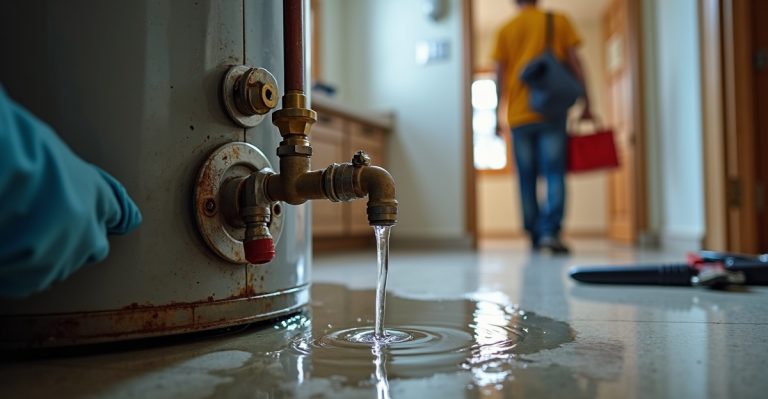
- Frequent leaks: Random puddles under the vanity or behind the toilet are a classic red flag. Small leaks tend to hint at old or corroded pipes. If leaks keep happening, upgrading the system can save you endless repairs and water bills.
- Low water pressure: A weak trickle from the shower or taps isn’t just annoying — it can come from clogged or outdated pipes. You might need to upgrade your bathroom pipes to improve flow and get the pressure working right again.
- Discoloured water: If the water’s coming out brown, yellow, or smells musty, chances are your pipes are rusting from the inside. This is more common in older Sydney homes with galvanised steel piping.
- Constant blockages: If your drains are slow, gurgling, or backing up regularly, it could be due to old pipework failing. Clearing blockages all the time isn’t a permanent fix. An upgrade might be the smarter way to go. We often help with blocked bathroom drain issues that come from collapsed or misaligned pipes.
- Visible signs of waterproofing failure: Bubbling paint, stained walls, or musty smells can mean there’s deeper damage. Check out these early signs of waterproofing problems which often come hand-in-hand with plumbing wear and tear.
- Your toilet’s always running, leaking, or shaky: Toilets that need repairs more than they flush efficiently may need a replacement or a waste pipe check. If you’re unsure, these toilet issues can guide you.
- Strange sounds: If your plumbing rattles or whistles when the taps are on, it could signal trapped air, pressure issues, or loose pipes. Noisy plumbing is your bathroom’s way of saying “help.”
- Signs of burst or ageing pipes: Obvious cracks, mould growth, damp cupboards, or constantly soggy tiles suggest worse things beneath the surface. Knowing the early signs of burst pipes can help you act before serious damage sets in.
- You’ve got old or mismatched plumbing: If your home still has sections of copper, galvanised steel, or polybutylene piping (common in older Northern Beaches properties), a complete repipe is usually safest. Learn how to tell when to replace pipes during a renovation.
Planning a reno or replacing a few fixtures? It’s often far easier to upgrade the plumbing while you’ve got access behind walls and under floors. We’ve handled hundreds of full plumbing upgrades during bathroom renovations across Sydney — and in most cases, starting fresh means fewer surprises later on.
Not sure what’s going on with your pipes? We’re happy to take a look. Or if you’ve already spotted a few of these signs, check out our plumbing repair services or give us a call for straight-up advice.

Common Plumbing Issues in Older Bathrooms
If your bathroom’s got a few decades behind it, chances are the plumbing’s starting to show its age. We see it all the time in older suburbs across Sydney—from weatherboard homes in the Inner West to classic red brick builds in Parramatta.
Some problems start small and build over time. Others hit without warning, like a burst copper pipe on a chilly morning. Either way, knowing what to look for can save you money and water damage down the track.
Key signs your bathroom plumbing might be due for an upgrade
Here are a few things we regularly come across that suggest it’s time to take a closer look:
- Low water pressure – If your shower feels more like a trickle than a proper rinse, there could be mineral build-up or corroded old pipes slowing the flow.
- Leaking taps, toilets, or showers – Persistent leaks cause water damage and higher bills. If the problem keeps coming back, the plumbing underneath might be the real issue.
- Water discolouration – Brown or rusty water often points to deteriorating metal pipes. It’s worth having checked before bigger corrosion issues develop.
- Unpleasant smells – Funky odours coming from drains could be a sign of blocked or damaged lines. This is especially common in older systems that haven’t been updated.
- Mould or damp spots – These can be red flags for hidden leaks inside walls or under floors. Our local teams have found this behind many “cosmetic” bathroom issues in Sydney homes.
- Frequent clogs or slow draining sinks/showers – Constant need for the plunger is a classic indicator that your system isn’t coping anymore.
We also see signs of trouble during renovations. When doing a bathroom refresh, many homeowners aren’t sure whether they should replace old plumbing. If you’re curious, our post on replacing pipes during a bathroom renovation may help you decide.
Beyond annoying leaks and bad smells, older plumbing is more prone to full-blown damage. Burst pipes, in particular, can strike suddenly and leave you with a soaked mess. If you’ve had one go on your property, check out the common signs of burst pipes to watch for in future.
And if waterproofing’s failed before, that’s another reason we often recommend checking out what’s hiding behind the tiles. Moisture behind walls doesn’t just rot timber—it can wreck insulation and encourage mould. Our team has put together a guide on waterproofing issues worth having a look at.
We handle everything from leak detection and blocked drains through to full fit-outs. If you’re seeing a few of these signs, now’s a good time to chat. You can book in a plumber for plumbing repairs or just get some expert advice. Not sure what’s going on with your pipes? We’re happy to take a look.

Key Plumbing Components That May Need Replacing
If your bathroom’s starting to show its age or act up, there’s a good chance the plumbing underneath the surface is due for an upgrade. We often see homes across Sydney—especially older ones in suburbs like Balmain, Marrickville, or Dee Why—struggle with outdated infrastructure that just can’t keep up anymore.
Common Problems That Signal It’s Time to Replace
When we assess a bathroom that’s playing up, there are a few usual suspects. Keep an eye (and ear) out for these signs—it could mean one or more components need attention:
- Taps that drip or don’t fully shut off: Worn-out washers or valve seats are common in older taps. If you’ve fixed the same one more than once, it’s time to consider a proper upgrade or call in a tap repair expert.
- Toilets that keep running: You’ll often hear the cistern refilling at all hours. This can wear through your water bills fast and often points to faulty inlet or flush valves. If it’s been years since it was replaced, it might be time to explore toilet repair options.
- Old pipes behind the walls: Galvanised or copper pipes don’t last forever. Corrosion, build-up, or hidden leaks can reduce water flow or even stain your walls. Find out more by reading about replacing old pipes during a renovation.
- Blocked or slow drains: A consistently slow shower or basin drain may mean deeper issues like cracked pipes or heavy blockage from inside the line. This is especially common in beachside areas with sand and salt buildup. If you’re dealing with this, our bathroom drain specialists can help.
- Recurring water damage or mould: You might spot soft patches in your walls or floors, or notice a musty smell. These are often caused by slow leaks that go unnoticed until the damage is bigger. If that rings a bell, check for signs of failed waterproofing around showers and vanities.
Even if everything still works (kind of), outdated fixtures can be inefficient, unsafe, or make future repairs tougher. Especially if you’re updating for better water pressure, energy efficiency, or modern convenience, we often recommend planning upgrades like:
- Replacing narrow or outdated supply lines to boost flow — you can learn about that in detail in our guide on how to improve water flow.
- Swapping single-flush toilets for dual-flush models to save water.
- Upgrading tapware and shower heads to reduce leaks and lower bills.
If you’re planning a refresh or full reno, our licensed team can manage the entire job from strip-out to finish. Have a look at our bathroom renovation plumbing services for more details. Not sure what needs replacing? Reach out—we’re happy to take a look.

When Is It Time to Upgrade Your Bathroom Plumbing?
Age of the Plumbing System
If your home’s older than 30 years and the bathroom pipes haven’t been touched since day one, it’s probably time for an upgrade. Old pipes—especially galvanized steel or outdated copper—can corrode from the inside out. In many older Sydney homes, we’re seeing discoloured water, strange pipe noises, and inconsistent pressure, all signs the plumbing’s had its day.
Even if things seem fine on the surface, age alone can be enough reason to investigate. Here’s why older systems may need attention:
- They’re more prone to bursts and leaks as metal thins out with time.
- Water pressure drops due to internal buildup.
- Outdated materials can pose health risks or no longer meet today’s codes.
During a recent renovation job in Marrickville, we removed a web of brittle copper piping that looked alright from the outside but was one knock away from a serious leak.
If you’re not sure how old your plumbing is or whether it’s due for an update, check out our guide on when to replace old pipes during a reno.
Ongoing Leaks and Moisture Issues
Feel like you’re always chasing that next bathroom leak? Dripping taps, damp corners, and water under the vanity shouldn’t be the norm. Persistent moisture issues not only waste water but can lead to mould, structural damage—and bigger bills.
We’ve fixed countless ongoing leaks across Sydney’s Inner West where poor waterproofing and ageing connections were to blame. If you’ve noticed:
- Paint peeling or bubbling on bathroom walls
- Musty smells you can’t air out
- Spongy tiles or warped cabinetry
…it’s time to dig deeper. Learn more in our guide on common signs your waterproofing’s failed.
For fast fixes, our licensed crew are ready for shower leak repairs and leak detection across Sydney.
Frequent Drain Blockages
Clogged bathroom drains now and then? That’s normal. But if slow sinks, gurgling toilets, or full-blown backups keep happening, you could be dealing with buildup or bad pipe slope.
We’ve found everything from builder’s rubble to tree roots jammed into drains—especially in older suburbs like Haberfield and Ashfield. You might need to:
- Replace sections of clogged or cracked pipe
- Reroute pipes for better drainage
- Upgrade pipe sizes for improved flow
We can take care of these with our bathroom drain clearing service.
Low Water Pressure or Flow Issues
Struggling to rinse the shampoo out or fill the tub before it turns cold? Poor water flow shouldn’t be a daily annoyance. It often points to deeper issues like mineral buildup, pipe corrosion, or an old design that doesn’t suit modern fixtures.
Improving water pressure can be as simple as a pipe reroute or as big as a full plumbing overhaul. Learn more in our tips on how to improve water flow in your bathroom.
Not sure what’s going on with your pipes? We’re happy to take a look and recommend what’s actually needed—nothing more, nothing less. Give us a ring or book an inspection today.

Key Signs Your Bathroom Needs a Plumbing Upgrade
If your bathroom’s been causing headaches, it might be more than just age or surface wear. From water pressure issues to persistent mould, your plumbing can quietly go downhill without much warning. Here’s what we often see in Sydney homes that signals it’s time for a proper look at your bathroom’s plumbing.
5 Telltale Signs It’s Time to Upgrade
We’ve pulled together a list of clear indicators we see on jobs across NSW—from beachside homes in the east to older places in the inner west. If you notice any of these, it’s worth getting in touch before the problem digs in further:
- Slow Drains and Constant Clogs
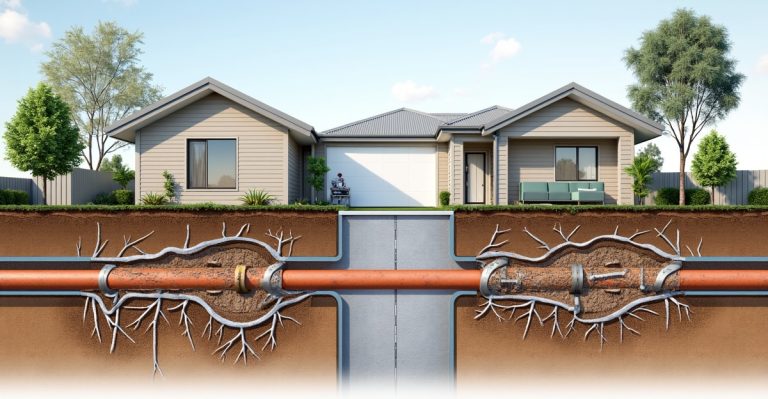
A shower or sink that’s backing up regularly can point to ageing pipes or buildup within the plumbing. Sometimes tree roots can even break into underground lines. If the plunger has become your best mate, it’s time to take a closer look. - Low or Inconsistent Water Pressure
There’s nothing worse than a weak shower after a long day. If the pressure’s dropped, corrosion or mineral deposits inside old pipework could be the cause. Check out this guide on how to upgrade bathroom pipes for better water flow to see your options. - Leaks or Signs of Water Damage
Mouldy corners, peeling paint, or wet spots? These are all red flags. Even minor leaks can lead to serious damage over time. Here’s a handy bathroom leak checklist with early signs to help you catch issues before they get out of hand. - Outdated or Damaged Fixtures
Taps that squeal, toilets that run non-stop, or showers with ancient fittings often signal deeper plumbing wear. Small faults can mean greater strain on your system. We’re well-versed in tap repairs, and can often extend the life of your fittings—or help you replace them efficiently. - Visible Signs of Waterproofing Failure
Cracked grout, spongy floors, or a musty smell? These can all come from broken waterproofing that’s letting moisture behind the scenes. Learn more about the signs of waterproofing failure and what to do next.
If your bathroom’s showing more than one of these signs, it might be worth planning a full upgrade. In some cases, we recommend assessing or replacing older pipes during renovations — our guide on whether to replace old pipes can help you decide.
Whether you’re sorting out a minor plumbing repair or gearing up for a full bathroom renovation, we’re here to guide you through it. Need help fast? Contact us today and we’ll sort it out properly the first time.

When It’s Time to Call a Pro
Spotting a few issues in your bathroom is one thing. Knowing when it’s reached the point of needing expert help is another. Small plumbing problems can turn into major headaches fast, especially with older homes across Sydney and the Northern Beaches where pipes and fixtures have seen decades of use.
We often get called in after DIY fixes haven’t stuck or when water damage starts showing beneath the surface. If you’re noticing some of the signs below, it’s worth bringing in a licensed plumber before things go sideways.
Key Signs You Should Call a Plumber
Here are the common triggers that mean it’s time to bring in the pros:
- Low or uneven water pressure – especially when using multiple taps or the shower. This can point to pipe corrosion or partial blockages.
- Frequent blockages – if your bathroom drains block regularly, there may be a deeper issue in your pipework. Our bathroom drain specialists are ready to clear it out for good.
- Water stains on walls or floors – often a sign of leaking pipes or failed waterproofing. Check out the common signs of waterproofing failure if you’re unsure.
- Persistent mould or musty smell – moisture trapped behind walls can cause long-term damage if left unchecked.
- Noisy pipes – banging or rattling sounds (a.k.a. water hammer) could mean unsecured pipes or pressure problems.
- Discoloured water – brown or rusty water suggests your pipes may be corroding inside and need replacing.
We’ve seen more than a few bathroom ceilings collapse from undetected water leaks. If anything’s dripping through the ceiling below, that’s not a fix you want to put off.
Need peace of mind before a reno? Have a fallback from an old repair? Our team can assess everything from taps to drainage systems. Many homeowners also ask, should I replace old pipes during a bathroom renovation? It’s a good read if you’re planning upgrades.
If your toilet’s not working properly or runs constantly, we can check for wear and fix it quick. Sometimes you’ll catch early problems just by spotting the signs your toilet needs repairs before it gives out altogether.
For homes with older copper or galvanised pipes, we often recommend updating to newer materials. If your water flow’s sluggish or inconsistent, learn about the benefits of upgrading your bathroom pipes for stronger pressure and reliability.
Don’t wait for bigger damage. We handle diagnostics, upgrades and emergency fixes. If you’ve noticed any signs of leaks or faulty plumbing, our licensed team is here to help with quick bathroom plumbing repairs across Sydney. Not sure what’s behind the issue? We’re happy to take a look and give you honest advice on the spot.