12 Common Signs Your Toilet Needs Repairs

When it comes to home maintenance, toilet repairs often get put off—until a small issue turns into an expensive mess. Whether it’s a constantly running toilet or water pooling around the base, recognising early signs of trouble can save you time, money, and stress—and help you avoid costly toilet repair Sydney services.
This guide is here to help Sydney homeowners and property managers spot the most common toilet issues before they lead to water damage or emergency plumbing bills.
We’ll walk you through what to look for, what you might be able to fix yourself, and when it’s time to call in a professional.
Here’s what we’ll cover:
- Constantly Running Toilet
- Weak or Incomplete Flush
- Water Pooling Around the Base
- Toilet Wobbling or Unsteady
- Unusual Gurgling or Bubbling Noises
- Low Water Levels in Bowl
- Frequent Clogs
- Cracks in the Bowl or Tank
- Slow Tank Refill
- Strange Smells That Linger
- Visible Leaks or Drips
- Overflow or Backup
First, let’s start by looking at one of the most common signs—a toilet that won’t stop running.

1. Constantly Running Toilet
If your toilet sounds like it’s still flushing minutes after you’ve left the room, you’re likely dealing with a constantly running toilet. This is one of the most common toilet repairs—and one of the easiest to ignore. But while it might seem like a harmless quirk, that steady trickle can waste hundreds of litres of water a day, quietly inflating your utility bills and impacting water conservation.
What causes it?
In most cases, a constantly running toilet is caused by a problem inside the cistern. Common culprits include:
- A worn or misaligned flapper that doesn’t seal properly
- A faulty flush valve that allows water to leak into the bowl
- An improperly adjusted float that keeps the fill valve open
- Mineral build-up or wear-and-tear on internal parts over time
These parts are relatively small but play a big role in regulating the water flow and stopping the tank from endlessly refilling.
Why it matters
Beyond the annoyance, a running toilet can waste more than 6,000 litres of water a month—that’s a big hit to your water bill and the environment. For homeowners looking to reduce water usage or move toward more eco-friendly plumbing solutions, this is one issue you don’t want to let slide. A water-saving toilet fix not only improves efficiency but can also extend the lifespan of your plumbing system.
What you can check yourself
Before calling a plumber, you can try a few basic checks:
- Lift the lid on the cistern and inspect the rubber flapper. If it’s misaligned or deteriorated, it may need to be cleaned or replaced.
- Check the float height—if it’s set too high, the tank will keep filling. Adjusting the float arm may stop the overflow.
- Listen closely—if you hear a steady trickle or refill noise, your system likely isn’t sealing properly.
If replacing a part or making minor adjustments doesn’t stop the problem—or you’re not comfortable handling it—it’s time to call in a professional for a reliable, long-term solution.
Key takeaway: A constantly running toilet may seem like a small issue, but it adds up fast—in wasted water, higher bills, and wear on your plumbing. The fix is often simple, and tackling it early is a smart move for both your wallet and the environment.

2. Weak or Incomplete Flush
When your toilet doesn’t fully clear the bowl—or needs a second flush to do the job—it’s more than just an inconvenience. A weak or incomplete flush is a clear sign something isn’t working as it should—prompting the need to fix toilet flush issues early. Left unchecked, it can lead to clogs, unpleasant odours, and frustration for everyone in the household or workplace.
Signs of poor flush strength
Here’s how to know your toilet’s flush isn’t doing its job:
- The bowl only partially empties after flushing
- Waste or paper remains in the bowl
- The flush sounds weaker or slower than usual
- You’re reaching for the flush handle more than once
In homes or businesses where multiple people use the bathroom daily, a weak flush can quickly become a recurring issue—and a source of embarrassment.
Common culprits
Several things can cause a toilet not to flush properly:
- Low water level in the tank: If the tank doesn’t fill up enough, it won’t deliver a strong flush. This could be due to an incorrectly adjusted float or a supply valve issue.
- Clogged rim jets: These small holes under the rim of the bowl can get blocked with mineral deposits, reducing water flow.
- Worn or misaligned flush mechanism: If the flapper, lift chain, or flush valve is damaged or out of sync, the system won’t release enough water quickly enough.
- Faulty flush system design: Some older or budget toilet models just don’t generate enough force, especially in high-use settings.
When to get it checked
If adjusting the water level or cleaning the bowl rim doesn’t help, it’s worth getting the flush mechanism looked at—especially if the problem started suddenly or is getting worse.
A professional can diagnose whether you need a simple part replacement or if it’s time to consider upgrading to a more efficient, high-performance toilet. You might even benefit from a complete toilet installation & repair service.
Key takeaway: A toilet that doesn’t flush properly might seem like a minor issue, but it often signals a deeper problem with water flow or the flush system. Addressing it early can prevent blockages, improve hygiene, and keep your bathroom working smoothly day in and day out.

3. Water Pooling Around the Base
Noticing water around the bottom of your toilet? It’s a red flag that shouldn’t be ignored. While it’s easy to assume someone just missed with the mop or spilled some water, persistent pooling around the toilet base usually signals a problem with the seal—or worse, a cracked toilet bowl.
What this means
The most common culprit is a failing wax ring—the seal that sits between the toilet and the floor flange. When this ring degrades, shifts, or dries out, water from each flush can leak out around the base.
In some cases, the problem may be more serious. A cracked toilet bowl, especially near the base, can also allow water to escape. Cracks may start as hairline fractures and grow over time, eventually leading to sudden breaks or larger leaks.
How to test and confirm
Here’s how to check if that water under your toilet is something to worry about:
- Wipe the area dry, then flush the toilet and watch for new moisture.
- Check for hairline cracks in the porcelain near the base or sides of the bowl.
- Sniff for odours—leaking sewage water from a broken seal often smells unpleasant.
- Place tissue around the base—if it gets wet after a flush, you likely have a leak.
Be sure to also rule out condensation (sweating) from the tank, especially in colder months, though this usually forms droplets higher up—not at the base.
Why you shouldn’t delay repair
Leaks at the base of your toilet can quickly lead to water damage in your flooring, subfloor, and nearby walls. Left unresolved, moisture can promote mould growth and cause structural issues—particularly in older Sydney homes with timber flooring. This is where early plumbing inspection can catch these problems before they escalate.
Even small leaks can quietly create bigger plumbing problems over time. And if the toilet bowl itself is cracked, replacing it promptly is the safest, most cost-effective solution.
Key takeaway: Water pooling around the toilet isn’t just a nuisance—it’s a warning sign. Whether it’s a damaged wax seal or a cracked toilet bowl, acting quickly can prevent further damage and protect your home from costly repairs.

4. Toilet Wobbling or Unsteady
If your toilet shifts, rocks, or wobbles when you sit down, it’s not just uncomfortable—it’s a clear sign that something isn’t right. While it might seem like a minor annoyance, an unsteady toilet can lead to leaks, damaged flooring, and even safety hazards if left unaddressed.
Dangers of an unstable toilet
A toilet that isn’t firmly secured to the floor can gradually loosen the wax ring seal, allowing water to escape with every flush. Over time, this can lead to:
- Hidden water damage in the subfloor
- Mould or mildew growth
- Unpleasant odours
- Structural weakening beneath the bathroom floor
In extreme cases, a severely loose toilet can crack the porcelain base—or even cause injury if it shifts unexpectedly, making toilet plumbing repairs essential.
How to safely check bolts and floor integrity
Before jumping to conclusions, take a few moments to assess the situation:
- Try rocking the toilet gently—if it moves even slightly, the bolts may be loose.
- Check the base bolts (also called closet bolts) on each side—are they tight and sitting flush with the porcelain caps?
- Inspect the floor around the base. Is it soft, discoloured, or swollen? That could indicate hidden water damage.
Avoid over-tightening the bolts—porcelain is brittle and can crack if too much force is applied.
DIY fix vs professional help
If the wobble is caused by loose bolts and the floor is solid, you may be able to tighten them gently yourself. Some homeowners also use shims to level the base. However, if:
- The toilet still wobbles after tightening
- The floor shows signs of water damage
- You notice leaking or a foul smell
…it’s best to call a professional plumber. A general plumbing check-up may uncover more than just a loose fixture.
Key takeaway: A wobbly toilet isn’t just an inconvenience—it’s a potential plumbing problem in disguise. While some fixes are safe to DIY, it’s worth getting professional advice if the issue persists or if there’s any sign of water damage beneath the surface.

5. Unusual Gurgling or Bubbling Noises
If your toilet makes strange gurgling or bubbling sounds—especially when it’s not in use—it could be more than just a quirky noise. These sounds often point to hidden issues in your plumbing system that, if left unchecked, may lead to serious blockages or sewer line problems.
To better understand this issue, you can also refer to this detailed explanation of why toilets gurgle from a trusted plumbing provider.
Sounds that indicate vent or drain issues
Toilets are designed to flush smoothly and refill quietly. So when you hear bubbling, gurgling, or sloshing sounds, particularly when other fixtures (like a shower or washing machine) are draining, it usually signals a problem with airflow in your pipes.
Here’s what might be happening:
- Blocked vent pipe: Your home’s plumbing vent allows air to move through the drain system. If it’s blocked (by debris, leaves, or even a bird’s nest), air can’t escape properly—causing negative pressure and gurgling sounds in your toilet.
- Partial drain blockage: A developing clog in the drainpipe can trap air. As water flows past, the trapped air forces its way up through the toilet bowl, creating bubbles or noise.
- Sewer line trouble: In more serious cases, gurgling can be an early sign of a main sewer line obstruction—a problem that needs urgent attention to prevent backups.
When noises signal a deeper plumbing concern
Occasional sounds may not mean much. But consistent or worsening noises—especially if they happen alongside slow drains, foul smells, or rising water levels—suggest a more complex issue in the system.
If you’re in a multi-level home or managing a commercial property, these noises might also be linked to pressure imbalances between floors. That’s something a professional plumber should evaluate through a plumbing inspection.
Why ignoring them can lead to backups
Here’s the real risk: if gurgling is caused by a clog or venting issue and it’s not resolved, it can eventually lead to:
- Toilet overflows
- Sewage backups into the bathroom
- Damaged pipes from pressure build-up
Catching and fixing the issue early—before things back up—is far more manageable and cost-effective than emergency plumbing work.
Key takeaway: If your toilet is making unusual noises, it’s not just being chatty—it’s trying to tell you something. Gurgling often signals pipe issues or ventilation blockages that should be checked by a licensed plumber before they escalate into major (and messy) problems.

6. Low Water Levels in Bowl
If you glance into your toilet and notice the water level in the bowl is unusually low—or drops unexpectedly after flushing—it’s often a sign that something isn’t quite right. While it may not cause immediate inconvenience, persistently low water levels can point to underlying plumbing issues that warrant attention.
What causes water levels to drop?
There are several reasons why your toilet bowl might not be holding enough water:
- Partial clogs in the trap or drain line can create a siphoning effect, pulling water out of the bowl after flushing.
- Cracks in the toilet bowl may allow water to slowly leak out, even if not visibly pooling around the base.
- A misaligned or worn-out fill valve in the tank can reduce the amount of water released during a flush.
- Evaporation or wind draughts (more common in infrequently used toilets) may gradually lower water levels over time.
In some cases, it can also be related to water pressure problems, particularly if you’ve noticed similar issues with taps or other fixtures.
Why it might relate to pressure, leaks, or cracks
When water levels drop without explanation, it could signal a leak in the system or a pressure imbalance within the plumbing lines. In older homes around Sydney, shifting pipework or minor cracks in the ceramic can also lead to slow, unnoticed leaks.
Low water in the bowl also affects flushing power, making your toilet less efficient and more prone to clogs.
Simple checks before calling a plumber
Before picking up the phone, try these quick DIY checks:
- Flush the toilet and observe—does the bowl refill properly?
- Shine a torch around the base and under the rim for signs of moisture, hairline cracks, or slow drips.
- Open the cistern lid to see if the float or fill valve is working as it should.
- Check nearby fixtures—if other taps seem to have reduced pressure, the issue may be system-wide.
If you spot cracks, can’t identify the cause, or the water continues to drop after flushing, it’s best to get help from a plumbing repair service before the problem worsens.
Key takeaway: Low water levels in your toilet bowl can signal anything from a minor valve issue to a more serious leak or pressure imbalance. A quick inspection might offer answers—but if it keeps happening, calling a professional can help prevent future plumbing headaches.

7. Frequent Clogs
Everyone deals with the occasional toilet clog—but if you’re reaching for the plunger more often than not, it may be a sign of something more serious. Frequent blockages are one of the most overlooked common toilet problems and can indicate issues that go well beyond what’s visible—often calling for expert blocked toilet repairs.
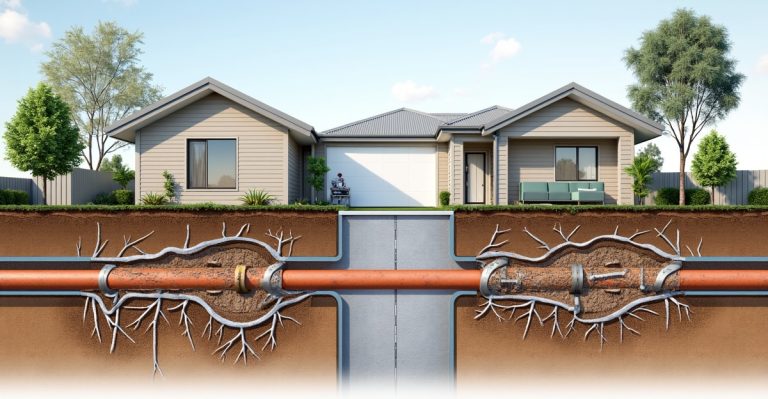
One lesser-known cause is root intrusion into sewer lines. Over time, tree roots can break into underground pipes and severely restrict or block water flow. For a deeper dive, see how tree roots can cause sewer damage and what to do about it.
What’s “normal” vs excessive?
A toilet might clog now and then from too much paper or the wrong items being flushed. That’s fairly normal. But if you’re experiencing:
- Clogs multiple times a week
- Slow draining after every flush
- Water rising close to the rim before eventually going down
…it’s a good indication there’s a deeper blockage or underlying fault in the plumbing system.
Hidden issues causing repeated clogs
Chronic clogs are rarely about poor flushing habits alone. Some hidden causes include:
- Tree root intrusion into underground pipes—especially common in older Sydney suburbs
- Poor pipe design or misalignment from initial installation
- Build-up of mineral deposits, grease, or foreign materials that gradually restrict water flow
- Ventilation issues that affect drainage pressure and create slow draining toilets
Even something as simple as an older low-flow toilet that doesn’t provide enough force can be a contributing factor over time.
How pros can clear clogs safely
Store-bought drain cleaners and repeated plunging can sometimes make the problem worse—or damage your pipes. Licensed plumbers have access to tools like drain cameras, high-pressure jetting, and augers that can safely identify and remove stubborn blockages.
They can also assess whether your drainage system needs a structural fix, such as pipe relining or a drain service to prevent future blockages for good.
Key takeaway: If clogs are becoming a regular occurrence, don’t assume it’s just bad luck. Frequent blockages often point to slow draining toilets or hidden pipe issues that require expert attention. Getting to the root of the problem now can help you avoid bigger repairs—and a whole lot of stress—later.

8. Cracks in the Bowl or Tank
Cracks in your toilet might not seem like a big deal at first—especially if they’re small or hard to spot. But whether they appear in the bowl or the tank, even minor fractures can grow over time, leading to leaks, water damage, or complete failure of the fixture. Catching these early is key to avoiding a messy (and costly) situation.
Hairline vs spreading cracks
- Hairline cracks are fine, surface-level lines that may not leak right away. They’re often found around the bowl rim, base, or the tank.
- Spreading cracks are deeper and tend to grow over time, especially under pressure from water weight or regular use.
Even a hairline crack can eventually expand into a leak, especially if the toilet is subjected to regular flushing and vibration. If left unchecked, water may seep out slowly—damaging flooring and creating the perfect environment for mould or mildew to grow.
Leaks, mould risks, and replacement recommendations
A cracked toilet can silently leak water onto your floor or into the surrounding area, leading to:
- Warped timber or discoloured tiles
- Hidden mould growth beneath the toilet or behind skirting boards
- Unexplained moisture near the base or wall
In many cases, toilet bowl repair isn’t feasible or cost-effective—especially if the damage is to the ceramic structure itself, requiring help from a toilet replacement plumber. In those situations, a toilet installation & repair service is the safest and most reliable fix. A plumber can help you select a modern, water-efficient model that suits your space and usage needs.
Visual inspection tips
To spot cracks early:
- Look closely at the outside of the bowl and tank, especially near bolts or mounting points.
- Use a torch to check for fine lines or discolouration near the base.
- Feel around the floor for dampness, particularly if you’ve noticed a drop in water pressure or small puddles forming.
If you see any cracks or suspect a leak, don’t wait. Toilets carry heavy loads of water under pressure, and a sudden break can flood your bathroom in seconds.
Key takeaway: Cracks in the bowl or tank aren’t just cosmetic—they’re early warning signs of potential leaks and water damage. If you notice any, it’s worth getting a professional opinion. In many cases, a timely toilet replacement can save you from bigger, more expensive repairs down the line.

9. Slow Tank Refill
If your toilet takes longer than usual to refill after a flush, it’s more than just a test of your patience—it’s a sign something inside the cistern isn’t working quite right. While a slow refill may not seem urgent, it often points to early wear or minor faults that can be easily fixed before they turn into bigger problems.
Typical causes
Several common issues can cause your toilet cistern to refill slowly:
- Worn or partially blocked fill valve: This is the mechanism that controls how water flows into the tank after each flush. Over time, valves can degrade or become clogged with sediment, especially in areas with hard water.
- Float problems: If the float is set too low or is sticking, the tank may fill too slowly or not completely.
- Sediment in the supply line: Mineral build-up from the main water line can restrict flow and reduce pressure inside the cistern.
In homes around Sydney, especially those with older plumbing systems or high sediment content, these issues are fairly common.
How to diagnose and fix minor issues
Before calling a plumber, you can try a few basic checks:
- Lift the lid of the cistern and observe the refill process. Is the float rising as it should? Is the fill valve releasing a steady stream of water?
- Check the water shut-off valve near the base of the toilet. If it’s not fully open, the reduced flow may be slowing the refill.
- Clean the fill valve inlet by turning off the water supply and flushing the toilet. This may clear out minor sediment build-up.
If you’re handy, replacing the fill valve is a relatively low-cost DIY cistern repair. However, it’s important to use the right parts and follow safety precautions. If in doubt, consider reaching out to a residential plumber who can help restore normal function quickly.
When it’s time to replace tank components
If the tank continues to refill slowly despite basic adjustments—or you notice other issues like incomplete flushing or hissing sounds—it’s a good idea to replace the fill valve and float assembly. These components are inexpensive and readily available, and a licensed plumber can often complete the job in under an hour.
Delaying repairs could lead to more frequent clogs, higher water bills, or a completely non-functional toilet.
Key takeaway: A slow-refilling cistern is usually caused by a worn fill valve, float issue, or sediment build-up. With a quick inspection or simple part replacement, you can restore normal operation and avoid more serious plumbing problems down the line.

10. Strange Smells That Linger
A clean bathroom should never have a lingering odour—especially not one that smells like sewage. If you’ve noticed an unpleasant smell coming from your toilet or surrounding area, it could be a sign that something deeper in the plumbing system needs attention.
Sewer gas risks and common smell sources
Persistent bathroom odours are often linked to sewer gases escaping from the drainage system. These gases—primarily methane and hydrogen sulfide—should stay sealed within the pipes. If you’re smelling them, there’s usually a failure somewhere in that seal.
Common sources include:
- Dried-out or damaged wax ring at the base of the toilet
- Cracked toilet bowl or base, allowing gas to seep out
- Loose or deteriorating toilet bolts, breaking the seal between the toilet and the floor flange
- Blocked or improperly vented plumbing lines, causing pressure build-up and forcing odours back into the room
In some cases, the smell may also come from bacteria build-up under the toilet rim or in the overflow drain—not just the pipes themselves.
When it could mean a broken seal or leak
If you’ve ruled out cleaning issues and the smell persists, it could mean the seal between your toilet and the drain line is broken. This is especially likely if:
- The toilet has recently been removed and reinstalled
- You also notice water pooling around the base
- The floor around the toilet feels soft or spongy
A compromised seal allows both water and gas to escape—not just creating discomfort, but potentially allowing bacteria and mould to thrive in unseen areas.
Health and comfort concerns
Beyond being unpleasant, exposure to sewer gas in enclosed spaces can cause headaches, nausea, and irritation of the eyes or throat. And even if health risks are minimal in low concentrations, the ongoing discomfort and embarrassment of a smelly bathroom are reason enough to take action.
This is especially important in commercial settings like clinics, salons, or cafes, where odours can impact the customer experience and business reputation.
Key takeaway: If strange smells are lingering in your bathroom despite regular cleaning, it could be a sign of a broken seal, a cracked toilet, or hidden plumbing issues. Don’t ignore the stink—getting it checked can protect your comfort, your health, and your home.

11. Visible Leaks or Drips
A toilet leak doesn’t always make a dramatic entrance, but a timely leaking toilet fix can prevent long-term water damage. Sometimes, it starts as a slow, silent drip—easy to overlook, but capable of causing real damage over time. Whether it’s a small puddle near the base or water trickling down from the tank, visible leaks are a sign your toilet needs prompt attention.
Common drip locations
Leaks can appear in several places around the toilet, each pointing to a different issue:
- Tank bolts and washers: Over time, these can loosen or corrode, allowing water to seep out from the base of the tank.
- Water supply line connection: A loose or aging fitting can create a slow drip where the hose meets the cistern.
- Cracks in the tank or bowl: Even fine hairline cracks can leak under pressure.
- Base of the toilet: This could indicate a failing wax seal—especially if paired with foul odours or a wobbly toilet.
Each of these problems falls under residential plumbing maintenance, but the fix depends on where the water is escaping from.
How to spot and test for leaks
If you’re wondering, “Is my toilet leaking?”, try these simple checks:
- Wipe down the tank and supply line, then wait a few hours to see if moisture reappears.
- Place tissue or toilet paper around suspected areas—wet patches will help pinpoint the source.
- Use food colouring in the tank (without flushing) to see if coloured water appears in the bowl or around the base.
- Listen for subtle hissing or dripping sounds between flushes.
If you detect a leak but aren’t sure what’s causing it, professional leak detection tools can help identify the problem without tearing up your bathroom. Depending on the location of the leak, a fast burst pipe repair may be required to avoid further structural damage.
Moisture risks for flooring and cabinetry
Even small, slow leaks can wreak havoc over time—especially in bathrooms with timber floors, laminate cabinetry, or adjoining walls. Moisture trapped under the toilet or behind skirting boards can:
- Soften and warp flooring
- Promote mould and mildew
- Weaken structural materials and create odours
Prompt repairs can help avoid the need for costly flooring or cabinetry replacements down the track.
Key takeaway: Visible drips or moisture near your toilet are never normal. Even if the leak seems minor, catching it early with proper leak detection can prevent bigger damage to your bathroom’s floors and fittings. If in doubt, call a residential plumbing expert to investigate and repair it right.

12. Overflow or Backup
A toilet that’s overflowing or backing up is every homeowner’s nightmare. It’s messy, stressful, and unhygienic—and it needs to be handled fast. Whether caused by a clog, a blocked drain, or something deeper in your plumbing system, toilet overflows demand immediate action to prevent water damage and protect your health.
Emergency steps to take immediately
If your toilet starts to overflow:
- Don’t flush again—this will only add more water to the bowl.
- Lift the tank lid and push the flapper (rubber seal) down to stop water from entering the bowl.
- Shut off the water supply using the valve behind the toilet. Turn it clockwise to close.
- Contain the spill using towels or a mop, and disinfect the area if any waste water has escaped.
Taking these quick steps can help prevent further flooding and minimise damage to flooring or nearby cabinetry.
When to shut off water
If the overflow doesn’t stop—or if the toilet begins backing up unexpectedly without being flushed—it’s crucial to shut off the water supply immediately. Every toilet has a shut-off valve where the water line connects to the wall. If this valve is stuck or not functioning, your next move is to call an emergency plumber without delay.
Why you need a licensed emergency plumber
Toilet backups can be caused by more than just a simple clog and may require urgent emergency toilet repairs to prevent further damage.. Common underlying issues include:
- Blockages in the main sewer line
- Collapsed or root-invaded pipes
- Improperly vented plumbing systems
- Grease or debris buildup in shared drainage lines (especially in multi-unit properties)
These are problems that require professional tools, such as drain cameras and high-pressure jetters, to resolve safely and thoroughly. A licensed emergency drain services team can quickly diagnose the issue and prevent further damage—often within the same day.
Overflowing toilets are not just a nuisance—they’re a health hazard and a potential source of long-term water damage if not addressed properly.
Key takeaway: When your toilet overflows or backs up, quick action is essential. Turn off the water, stay calm, and call a licensed emergency plumber who can provide a reliable toilet overflow solution and prevent further problems. Don’t wait—this is one plumbing issue that won’t fix itself.

Conclusion – Don’t Ignore the Signs
Toilet issues often start small—an unusual noise, a weak flush, or a bit of water where it shouldn’t be. But as we’ve seen, these early warning signs can quickly escalate into costly repairs, water damage, or even full-blown plumbing emergencies if left unchecked.
By paying attention to these 12 common symptoms, you can catch problems early, save money on water bills, and protect your home or business from avoidable disruption. Whether it’s a slow refill, frequent clogs, or water pooling around the base, knowing what to look for—and when to take action—puts you in control.
Not sure what’s going on with your toilet? We’re happy to take a look.
At In House Plumbing, we provide honest advice, transparent pricing, and expert toilet repairs across Sydney. From routine fixes to urgent callouts, our team is here to help keep your plumbing running smoothly—without the stress.
FAQs
One of the simplest ways to check is by placing a few drops of food colouring in the cistern (tank) and waiting 10–15 minutes without flushing. If the colour appears in the bowl, water is leaking through the flapper or flush valve. You can also look for moisture at the base of the toilet, drips from the tank, or unexplained increases in your water bill. If you’re unsure, a plumber can run a proper leak detection test to confirm.
It depends on the problem. Minor issues like a running toilet, faulty flush mechanism, or slow refill can often be fixed with inexpensive part replacements. But if you’re dealing with cracks in the bowl or tank, frequent clogs, or an outdated model that’s not water-efficient, replacement might be the smarter long-term option. A professional plumber can help you weigh the cost of repairs versus a new installation.
In many cases, yes. A constantly running toilet is often caused by a misaligned flapper, faulty float, or worn-out fill valve. These parts are relatively easy to inspect and replace with the right tools and guidance. However, if you’ve tried basic fixes and the problem persists—or you’re unsure about working with water connections—it’s best to call in a licensed plumber for a reliable solution.
Gurgling or bubbling noises usually mean there’s a blockage or airflow issue in your plumbing. This can be caused by a partially clogged drain, a blocked vent pipe, or even trouble in the main sewer line. These sounds are your system’s way of saying it’s under pressure—and ignoring them could lead to a full backup. It’s wise to get a professional plumber to inspect it before it becomes a bigger issue.
Toilet repair costs in Sydney vary depending on the issue. Simple fixes like replacing a fill valve or flapper might cost between $100–$250 including parts and labour. More complex jobs, such as sealing leaks, clearing blockages, or replacing broken components, can range from $250–$500 or more. At In House Plumbing, we offer upfront, transparent pricing so you know what to expect—no hidden fees, just honest service.