How to Vent Bathroom Plumbing Properly

Planning a bathroom upgrade or renovation in Sydney requires more than just picking tiles and fittings. One critical detail often overlooked is plumbing venting. Done right, it keeps the space clean, odour-free, and flowing properly. Gurgling toilets, sewer smells, and water backups usually point to venting issues. Here’s how to catch them early and build a system that works reliably.
Key Takeaways
- Correct bathroom venting allows air to enter the pipes, preventing pressure build-up, bad smells, and sluggish drainage.
- Every fixture—like the toilet, sink, or shower—needs precise venting to comply with NSW plumbing standards, including AS3500.
- Common signs of venting issues include bubbling sounds, unpleasant odours, and water rising in nearby drains after flushing.
- Wet venting or combination vents offer smart solutions for compact homes, but a licensed plumber must design and install them to meet code.
- Renovation shortcuts, like ignoring venting or placing vent pipes incorrectly, often lead to expensive fixes. Start with a layout that includes proper venting from the beginning.

What Proper Venting Looks Like (and Why It Matters)
Venting in bathroom plumbing is like giving your pipes room to breathe. Imagine drinking from a takeaway iced coffee with a lid—poke a tiny hole, and it flows. No hole? You’re stuck with gurgles and splashes. That’s exactly what happens with poorly vented plumbing.
Proper venting allows air to enter your pipes so wastewater flows freely. It stops pressure from building up, which can create a vacuum. Without that air movement, water struggles to drain—causing clogs, gurgling, and sewer smells you definitely don’t want hanging around your bathroom.
How Venting Works – And What Happens When It Doesn’t
The goal is simple: create airflow to balance the pressure inside your drain lines. Every fixture—like your shower, toilet, and vanity—connects to a vent system that leads outward, usually through the roof.
When the venting is done wrong (or skipped altogether), here’s what can happen:
- Drains take forever to clear or won’t drain at all.
- Toilets flush weakly or make strange gurgling noises.
- You start noticing nasty odours, especially after heavy use.
- In the long run, suction and pressure changes can damage seals and shorten the life of your pipes.
If you’re dealing with repeated drain issues or weird noises from your walls, your vents might be to blame. Take a look at our blocked drain solutions for bathrooms if things aren’t flowing like they should.
Why It Matters for Sydney Homes
Getting venting right makes your bathroom quieter, cleaner, and compliant with Australian Standards (AS3500). That means:
- Wastewater moves smoothly, even during back-to-back showers on a busy morning.
- Air pressure stays balanced, protecting your traps from being sucked dry (and from releasing sewer smells).
- Your bathroom fits building code—essential if you’re renovating or planning to sell.
Here are a few venting requirements for bathrooms worth knowing:
- Every fixture must connect to a vent.
- The diameter of the vent pipe must match the drain size for certain distances.
- Venting can’t just stop inside your roof—it needs to extend outside for safe gas release.
Doing this kind of work without proper planning usually leads to headaches down the line. We’ve seen it too often during renovations in places like Marrickville and Ryde—legal issues from missed vent lines, even full bathroom do-overs. If you’re planning a reno, this plumbing plan for bathroom renovations is a solid place to start.
Need help making sense of a tangle of pipes or figuring out how to vent bathroom plumbing the right way? We’re licensed, local, and know exactly how Sydney homes are built—from old fibro cottages to modern duplexes. Get peace of mind by checking that it’s up to standard.
Not sure where to begin? Our general plumbing services cover inspections and repairs tailored to your needs.

Spotting the Signs Your Bathroom’s Not Venting Right
Blocked drain symptoms can sometimes fool you. But not every slow gurgle or bubble means a clog. Poor bathroom venting can cause all sorts of grief—and ignoring it can turn a simple fix into a costly mess.
A vent keeps air flowing through your plumbing system, allowing water to drain smoothly and stopping nasty gases from bubbling back inside. Without a working vent, even a brand-new drain setup can act up.
Let’s break down some of the key signs that your bathroom isn’t venting properly.
Checklist: Signs of Bad Plumbing Vent
Here are a few red flags we spot time and again—many folks first think it’s a clog issue, but these point to airflow trouble:
- Gurgling sound in toilet or sink after flushing or draining
- Slow-draining shower, bath, or basin (despite being recently cleared)
- Bubbling in the toilet bowl when another fixture is in use
- Sewage or rotten egg smells coming from fixtures or drains
- Backed-up water in the shower, usually after flushing a toilet nearby
- Water escaping from nearby floor waste or drains during use of upstairs bathrooms
We’ve been called to several jobs across Sydney where clients assumed they had a blocked bathroom drain. Once we got into it, the issue turned out to be poor venting in their plumbing lines.
One job stands out—a homeowner in Marrickville rang us about a strong, sulphur smell lingering in their main bathroom. They’d already tried cleaning the drains, pouring down vinegar mixes, even replaced the P-trap. But the issue wasn’t the drain itself. We inspected the whole system and found the bathroom wasn’t properly vented—no fresh air was getting in to balance pressure. We added a vent pipe reconfiguration, and the smell disappeared. No more headaches for them (literally or figuratively).
If you’re renovating or planning a bathroom upgrade, this is something to get right early. Many of the woes we see post-reno are down to missed venting needs. You’ll want to look over our common plumbing mistakes in bathroom renovations blog for more guidance.
Getting venting right is not about guesswork. It takes the right layout and height for vent stacks, careful placement near each fixture, and keeping all of that compliant with NSW plumbing codes. If you’ve noticed even one of these symptoms, don’t ignore it. It could be a sign your system’s struggling to breathe.
Need a professional to check your setup? Give us a ring, or book through our plumbing repair services. We’re local, tidy, and straight-up about what needs fixing.

How Bathroom Venting Actually Works (in Plain English)
Getting your bathroom vented right means your pipes drain smoothly, don’t make weird noises, and—most importantly—don’t let smells back up into the room. If you’ve got a renovation or new bathroom build on the go, it’s worth understanding how venting works before the tiling goes down.
Types of Vent Pipes and What They Do
Let’s start with the basics. In every bathroom plumbing system, venting helps air move through the pipes so water can flow freely—thanks, gravity. Without air, your drains could burp, gurgle, or get blocked. Here’s a simple breakdown of the vent types you’ll usually come across:
- Vent Pipe: The vertical bit that connects your drain lines to the air above your roof. It lets air in so you don’t get suction stopping water from draining.
- Stack Vent: This is the pipe that goes through the roof from your main drain stack. It works as the main air release. Some fixtures near this stack don’t need much else.
- Wet Vent: A clever setup where one pipe handles both water flow and air ventilation for multiple fixtures. For example, your basin or bath may share a wet vent with your toilet, depending on layout.
- Combination Vent: A setup that uses a mix of traditional venting and wet venting methods. Perfect in tight spaces like small Sydney bathrooms with limited roof access.
All these pipes get connected to fixtures like your bath, toilet, and basin. They either share vents or have their own, depending on where they sit in the room and how far they are from the drain stack.
Looking for the rough-in details? Check out our step-by-step guide to bathroom plumbing rough-in.
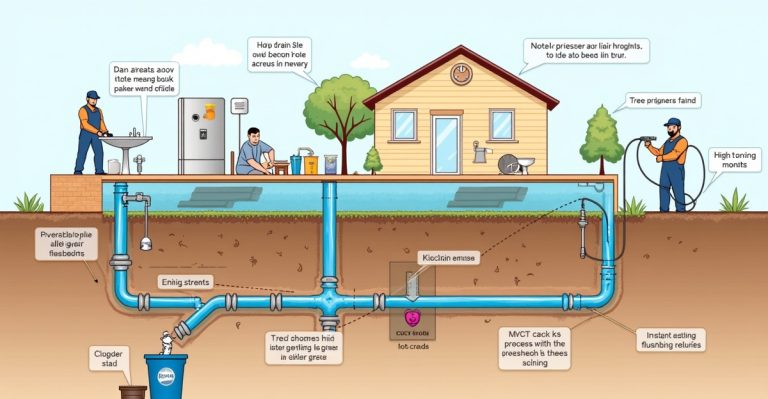
Here’s a visual to help tie it all together:

Do All Bathroom Fixtures Need a Vent?
Short answer—most do, but not always one each. Whether each piece of your bathroom needs its own vent has a lot to do with where it’s located and whether it can share a vent with something else.
- Toilets typically always need a vent, even if it’s part of a wet vent system.
- Basins and sinks often share vents in wet vent configurations.
- Showers especially benefit from separate vents if they’re far from the stack.
So, the big question: Do all bathroom fixtures need a vent? Not necessarily—but they all need access to venting in some way. NSW building codes and your plumbing layout will determine the most efficient way to do that. If things aren’t lined up right, you may notice glugging drains or slow water flow.
Thinking about a reno and unsure what your layout allows? Have a read of how to plan plumbing for a bathroom renovation for practical steps before you even pick the tapware.
Why Venting Matters: Air Pressure and Drainage
Good venting does two big things: it balances pressure in the pipes and helps gravity do its job. Here’s how it plays out in real life:
- As water drains from a fixture (like flushing a toilet), it pushes air ahead of it.
- Without venting, this movement creates a vacuum that slows—or even blocks—drain flow.
- With proper venting, air flows in and out freely, stopping water from backing up.
Think of it like tipping a water bottle upside down—it glugs because there’s no airflow. Same principle in your pipes without vents.
This balance is especially important in upstairs bathrooms. If you’re renovating or building on a second floor, make sure your vent lines are sized and placed properly. We’ve covered this niche issue in more detail in our guide on plumbing in upstairs bathrooms.
Top Tips to Keep Bathroom Vents Working Right
We’ve worked on bathroom renovations across Sydney—from basic upgrades to full-on rebuilds. Based on that, here are a few key takeaways:
- Don’t skip the vent. It might be tempting in tight layouts, but you’ll pay for it later.
- Avoid long horizontal drain runs without venting—you’ll risk constant clogs.
- Always check the maximum distance your fixtures can be from a vent. This varies by pipe size and fixture type.
- Wet venting is great—but only if installed to code. Get help from a qualified plumber if you’re unsure.
If things are already going sour and water’s slow to move, you might have a blockage. Check our bathroom drain clearing service to get things sorted fast.
Need expert help with your plumbing vent pipe installation? Or just want to make sure your new bathroom won’t run into headaches later? Let’s take a look before you start laying tiles or pouring concrete—contact us today for some local know-how.

What the NSW Plumbing Code Says About Venting
Following the NSW plumbing code for venting isn’t optional—it’s the law. Whether you’re doing a full reno in your Inner West terrace or just updating a bathroom in your Hills District investment property, getting the venting right keeps your system safe, working properly, and legal to sell later.
Key Rules Under the NSW Plumbing Code
The NSW code aligns with Australian Standards AS3500, which lays out venting requirements clearly. Here’s what that means in plain terms:
- Every fixture (toilet, basin, shower) needs proper air circulation to stop water seals breaking (that’s the gurgling noise or foul smells creeping up).
- Vent pipes must be sized to suit the number of fixtures, with proper fall and placement, especially if multiple bathrooms are stacked or far apart.
- In multi-storey homes, like those across Sydney’s northern suburbs or townhouses popping up in the west, extended venting or alternative systems like air admittance valves might be needed—so long as they meet AS3500.
A vent that’s too small, too far away, or not present at all can cause dangerous sewer gases to enter the home—no one wants that, especially in a family home or rental.
You’ll also need to get approval from your local council before any plumbing work starts. Councils such as Inner West, Randwick, and Blacktown all require that work complies with AS3500 and is inspected, especially during renovations. If you’re looking to sell later, a compliance certificate is often checked by solicitors as part of the deal.
Local Building Challenges in Sydney
We see plenty of older Federation and California Bungalows in Sydney’s Inner West and Lower North Shore. These houses often weren’t built with proper venting in mind. Trying to retrofit modern venting into brick walls with no ceiling cavity is tricky—and risky if done poorly.
That’s where planning ahead can save money and headaches. If you’re upgrading a second-storey ensuite or converting a laundry into a bathroom out at Penrith, we recommend a walkthrough before the walls go up. You’ll want expert advice on pipe placement and venting options early—check out our step-by-step rough-in guide if you’re at this stage now.
Here’s what often comes up in local projects:
- No existing vent stacks in older homes
- Conflicts with heritage restrictions
- Limited roof or wall access
- Multi-use dwellings needing shared venting setups
We’ve worked on sloped blocks in Ryde where vent height needed special consideration, and duplexes in Parramatta that needed sound-dampened vents between levels.
If any of these issues sound familiar, check out our team’s bathroom renovation plumbing services or give us a bell.
Proper venting protects your fixtures, your family’s health, and your property’s long-term value. Need help figuring it out before plans are finalised? We’d be happy to take a look.

Can You DIY or Do You Need a Plumber?
Venting bathroom plumbing sounds simple, but doing it right is a different story. If it’s done wrong, you could end up with slow drains, foul smells, or worse—expensive damage hidden behind your walls. Here’s a quick guide to help figure out if you’re good for a weekend fix-it job or it’s time to bring in licensed help.
DIY or Call a Pro? — Quick Checklist
Use this list to spot whether the job is DIY-friendly or needs a licensed plumber (and fast):
You can usually check or do these yourself:
- Look for cracked or missing vent caps on your roof.
- Smell under the bathroom basin or near the toilet for sewage odours—this could mean a blocked or broken vent.
- Use a drain snake or cleaner if there’s minor gurgling or slow draining.
Call a plumber for these:
- Installing or moving any vent pipes.
- Cutting into walls or ceiling cavities.
- If your bathroom is upstairs or in an older Sydney terrace and you’re unsure how the venting is set up.
- If you’ve got ongoing smells or backups even after cleaning your drains.
Any job that involves touching the plumbing vents directly—especially installation—must meet NSW building codes. That means licensed, insured and trained hands. Plumbing vents aren’t just there for fresh air; they keep sewer gases out and prevent pressure problems that can empty your toilet traps or cause backflow. A badly placed vent could affect your whole home’s drainage.
We’ve seen local DIY jobs in Marrickville go sour fast. One client thought they could connect a new toilet without a proper vent. All was well… until the entire bathroom stank during storms thanks to poor pressure regulation. That’s a headache you don’t want.
Planning a Renovation? Here’s What to Know
If you’re planning to redo your bathroom or add an ensuite, venting needs to be in the plan from day one. It affects not just your toilet, but your basin, shower, bath—every fixture.
Here are some things to stay on top of:
- Every fixture needs appropriate venting, either individually or shared depending on layout.
- Upstairs bathrooms need proper airflow and clearance between floors—check our tips on upstairs bathroom plumbing.
- Don’t forget about code compliance. DIY at this stage often leads to rework.
Want a deeper look at how it’s done right? Our guide on the bathroom plumbing rough-in walks you through the critical early steps.
If you’re stuck with blocked drains during reno work, we can help with a fast fix. Check out our blocked bathroom drain service in Sydney.
Installing vents the right way protects your home and health long term. Not sure what’s going on with your pipes? We’re happy to take a look. Give us a ring or book online. We keep it simple, local, and always up to code.

Planning a Reno or Building New? Here’s What to Know
Get Ahead with Smart Planning
If you’re planning a bathroom renovation or new build, getting the venting sorted early makes a big difference. Vent pipes aren’t just a nice-to-have — they’re essential. Without proper venting, drains can gurgle, water can siphon out of traps, and you’ll get nasty smells back through your sink or shower.
Here’s what we recommend to stay on the front foot:
- Lock in your layout before your plumber gets on site. Venting relies on fixture placement. The closer your toilets, basins, and showers are to each other (and the main stack), the easier it is to vent properly.
- Stick close to the venting zone. Most fixtures should connect within 1.2–1.5m of a vent pipe. Asking your plumber about the “critical distance” helps avoid surprises.
- Talk to your plumber about the right venting setup. Depending on your space, you might need a common vent, individual vents, or a wet vent solution. If you’re working with an upstairs bathroom, check out our tips on handling plumbing in upstairs bathrooms.
- Know the council rules. Local regulations in NSW can vary. In some areas, air admittance valves (AAVs) are allowed, while others require a full connection to the roof vent. We’ll check this for you before getting started.
- Book a venting review early. Before tiles go down or joinery’s installed, ask us to inspect the system. Fixing a vent mistake after fit-off can cost more than the entire install.
If you want to understand the background in more detail, our full bathroom plumbing rough-in guide breaks down why venting is a key part of the puzzle.
Venting Mistakes to Watch For
We come across a fair few venting slip-ups during renos around Sydney. Some are small. Others lead to major headaches like blocked drains or faulty trap seals. To avoid those, here’s a quick list of common issues:
- Ignoring the venting distance for fixtures like showers or wall-hung basins
- Installing a vent pipe with the wrong size or slope
- Forgetting to account for upstairs floor joists when routing vertical vents
- Not coordinating plumbing with waterproofers or tilers
- Leaving out vital venting in powder rooms or ensuites with small footprints
We’ve detailed many of these in our advice on common plumbing mistakes in bathroom renovations. Worth a read, especially if you’re managing the build yourself or working with an interior designer.
For council sign-off and trouble-free use day-to-day, proper venting is non-negotiable. If in doubt, we’re always happy to do a pre-fitoff review.
Planning an accessible bathroom? There are some extra venting details to cover. Take a look at our guide on plumbing for accessible bathrooms for help with compliance and comfort.
Need help with planning or layout choices? Our licensed plumbers work alongside architects and builders across Sydney to make sure every reno goes smoothly. You can book a site visit to talk through your project before we get into pipes and fittings.
Need a quick overview on rough-in steps? This rough-in plumbing step guide covers each stage before the walls and floors are sealed up.
Still unsure if your current bathroom meets venting requirements for bathrooms? Thinking about how all the bits come together behind the tiles? Our team can work out a straightforward plan that suits your home and budget.
You can reach us via our contact page — we’re happy to answer questions or slot in a site visit, no pressure. Planning a reno? Let’s get the venting right, from the start.