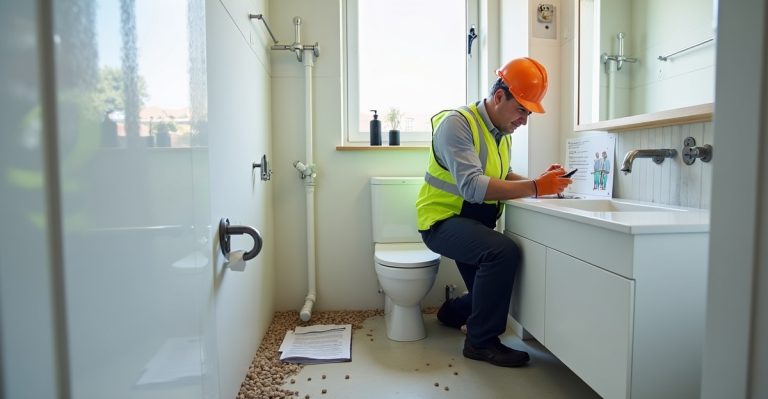
How to Prevent Blockages in a New Bathroom

Even a brand-new bathroom can develop plumbing complications if builders skip a proper cleanup. Construction debris like grout, tile dust, or poorly aligned pipes often lay the groundwork for early clogs. Preventing drain blockages from the start means building solid habits and arranging a professional check to confirm everything flows as it should.
Key Takeaways
- Construction dust, grout, and tile residue left behind often trigger early drain issues in new bathrooms.
- Pipes with poor angles or low-quality fittings can slow water movement and increase the chance of clogs.
- Daily habits protect drainage—use strainers, flush with hot water, and clear buildup regularly.
- Catch early warning signs such as gurgling drains, water pooling, or lingering odors.
- Schedule follow-up inspections and camera checks after renovations to pinpoint small problems before they grow.
Common Causes of Blockages in New Bathrooms That Might Surprise You
Even bathrooms fresh off a renovation aren’t immune to clogs. You’d be surprised how many blockages happen in the first few weeks. A lot of it comes down to leftover materials and shortcuts during installation.
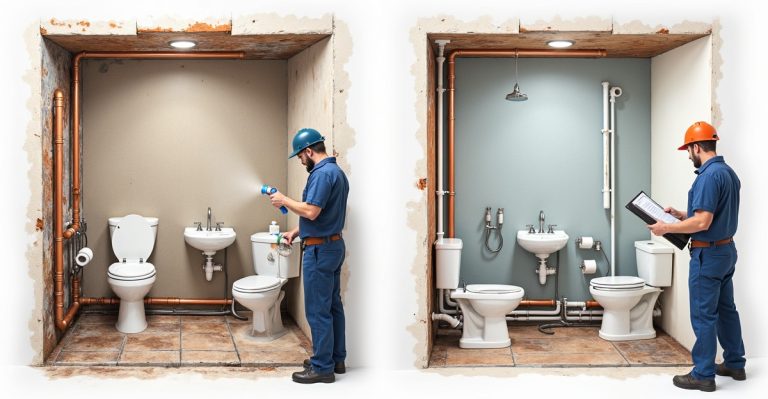
Builders often rinse down tile dust, grout, or debris without properly flushing the pipes. That material doesn’t disappear—it settles in the bends and joins of your new plumbing. If it’s not cleared out, it becomes a starting point for future blockages.
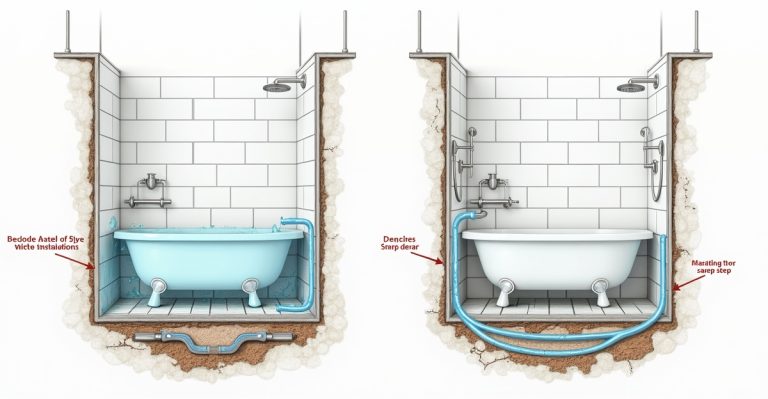
We’ve also seen issues with poorly angled pipes. If the slope isn’t just right, wastewater slows down instead of flowing freely. That creates a space for hair, soap scum and other gunk to collect.
Here’s a real case from Paddington: a homeowner called us just two weeks after moving in. Their shiny new ensuite had flooded. The culprit? A chunk of grout stuck in the S-bend—not flushed out after tiling. Simple mistake, big mess.
Cheap fittings or badly aligned plumbing can make things worse. Tight pipe bends or narrow traps catch onto debris faster than better-quality options.
To avoid these common bathroom plumbing issues, inspect your new bathroom post-installation. If you’ve recently redone your ensuite or main bath, now’s the time to check for early signs of trouble.
Everyday Habits That Help Keep Bathroom Drains Clear
Preventing a blocked drain isn’t hard—it often comes down to what goes down the pipes each day.
Simple habits to protect your pipes:
- Only flush the 3Ps: pee, poo, and (toilet) paper.
- Never flush wipes—not even “flushable” ones. They cling to pipe joins and cause serious backups.
- Use drain strainers in showers and bathroom sinks to catch hair and grime.
- Run boiling water down your shower drain once a week. It helps melt away soap and conditioner build-up.
- Wipe excess toothpaste and sludge before rinsing your sink.
Low water flow or half-flushed toilets can leave debris behind. It’s even more of an issue in older homes in places like Marrickville or Glebe with tired plumbing and low-pressure setups.
Small changes—like running a bit more water after using the sink, or flushing twice when needed—go a long way toward keeping pipes happy. For more tips, take a look at our guide on how to prevent bathroom drain odours.
How to Spot Trouble Early—Before the Water Backs Up
You don’t need to wait for a full bathroom flood to know something’s off. Catching the signs early saves time, stress and money.
Watch for:
- Gurgling sounds from the shower or basin
- Bad smells even when water still drains
- Showers or sinks draining slower than they used to
- A “phantom” toilet clog in a newly used space
It’s common for people to ignore these signs in newly built or renovated areas. We often hear things like, “The drain’s just finding its rhythm.” Truth is, plumbing doesn’t settle in—it either works, or it needs fixing.
A Coogee cafe owner called us recently after her staff toilets began giving off a sour stink. The loos were brand new, and she couldn’t figure out why. Turned out the plumber had accidentally skipped a vent stack, which caused pressure problems and poor drainage.
Don’t ignore early signs. Need an expert? We’re always ready to help with bathroom blocked drain repairs across Sydney.
Long-Term Maintenance That Doesn’t Take All Day
You don’t need to babysit your plumbing—but a bit of regular attention keeps things flowing.
Quick maintenance tips that make a big difference:
- Every two months, pour a mix of baking soda and vinegar down your drains. It keeps flow steady and clears gunk before it becomes a blockage.
- Clean your shower and sink strainers monthly.
- Book a drain camera inspection every year or so—especially for shared properties or older Sydney homes. Tree roots and dated plumbing can cause nasty surprises.
- Planning another upgrade? Speak to your plumber about correct pipe grades and fixture flow rates. These are key for efficient drainage.
If you’re in a heritage suburb like Balmain or Leichhardt, where older clay pipes are common, keep an eye out for slow sinks and lingering smells. Roots and general wear are more aggressive in those setups.
Want to stay ahead of the curve? Check out these common plumbing mistakes we see during renos—they’re easy to avoid once you know.
Why Professional Inspections Matter—Even for New Installs
Just because your bathroom’s new doesn’t mean it’s foolproof.
We’ve found blockages from rushed installs more often than we’d like. Poorly cut pipe joins, no pressure testing, rushed fixture fittings—small mistakes that lead to big problems down the track.
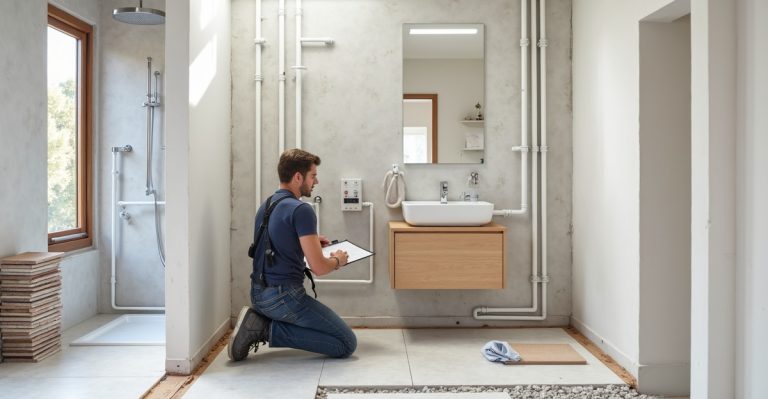
Builders usually focus on the finish, not the drainage after you move in. A decent pressure test or camera scan often gets skipped unless you have a dedicated plumber involved.
Our team uses CCTV cameras and pressure check tools that go beyond the surface shine to spot hidden risks. One of our techs put it plainly: “New doesn’t mean perfect—we often find post-reno blockages right after the first few weeks of daily use.”
For higher-use bathrooms, like in office buildings or rentals, professional inspection is even more important. It avoids drama and angry calls from tenants.
Let us help with checkups and leak detection—quick, mess-free, and worth it.
Sydney-Specific Advice & When to Call in Help
Sydney’s pipes deal with their own challenges. Between intense summer storms, salty coastal air, ageing city infrastructure, and sandy soils—it’s no wonder blockages are common.
- Heavy rainfall can overwhelm stormwater and push water back through internal pipes. Eastern Suburbs homes near storm drains are especially at risk.
- Beachside homes in places like Manly or Cronulla tend to suffer corrosion faster. That affects both drainage and water pressure.
- Sand and grime from the beach, plus holiday-load wear in Airbnbs, can lead to increased clogging risk.
From a new duplex in Surry Hills to a North Shore apartment, the way the plumbing behaves depends on the area and house age. What works in one place might not in another.
If things aren’t draining right, don’t chalk it up to just “new home smell.” A quick check could save you dealing with a stink—or worse—a burst drain.
Need help fast? Call us today to book shower leak repairs or a full bathroom inspection.
Whether your bathroom is brand new or just renovated, a little maintenance now can save a big plumbing bill later. Not sure what’s normal? Give us a buzz today—we’re happy to help.