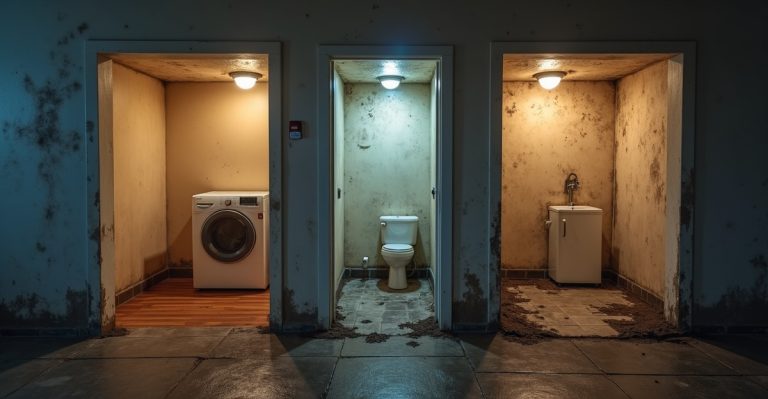
How to Add a Toilet to an Existing Bathroom

Adding a toilet to an existing bathroom setup is often more straightforward than most expect. With nearby drainage and water lines, we can keep disruptions low and simplify the work. In NSW, it’s essential to get the right approvals before making any plumbing changes.
Key Takeaways
- It’s usually possible to add a toilet without large-scale renovations if water supply and drainage are accessible.
- NSW regulations require council approval, and often strata permission too, before modifying existing plumbing. Skipping these steps can lead to costly issues.
- A compact toilet installation needs a space of at least 800mm x 1,400mm and proper ventilation, as outlined in the Building Code of Australia.
- Installation in Sydney typically ranges from $2,500 to over $10,000. Final costs depend on how much work is needed on the plumbing, approval requirements, and the style of toilet we choose.
- Make sure a licensed plumber completes the job. DIY toilet installation isn’t legal in NSW and may result in fines or unsafe conditions.
Can I Add a Toilet Without Major Renovations?
Adding a toilet to an existing bathroom is more doable than most people think. The short answer: yes, you can often add a toilet without major renovations—especially if your current plumbing setup is decent and you’re working with a smart layout.
Still, you’d need to consider a few practical things:
- Is there enough space? You’ll need at least 800mm by 1,400mm for a compact setup.
- Are water lines and drainage close by? If yes, then you’re already saving money.
- What’s the ventilation like? The Building Code of Australia requires proper ventilation for health and odour control.
- Any handy nooks? Spaces under stairs, old storage closets, and laundries often work well.
If you’re living in one of Sydney’s beautiful older homes, be prepared for some extra effort. Pipework in these places can be outdated or hard to access. We’ve done jobs in Inner West terraces where walls and floors needed careful planning to avoid unnecessary damage.
One critical point: any new toilet installation in NSW must be done by a licensed plumber. DIY or handyman setups might seem easy, but they’re illegal—and dangerous.
For a simple breakdown of what’s involved in a full toilet install, check out our handy toilet installation guide for Sydney homes.
Planning and Council Approvals in NSW
When you’re adding a toilet, especially as part of a bathroom upgrade, getting the right approvals is non-negotiable.
In most cases, you’ll need either a Development Application (DA) or a Complying Development Certificate (CDC). What you need depends on your property type, your local council’s rules, and how much you’re changing structurally.
If you’re in a strata complex—like a townhouse or unit—you’ll also need to get approval from your body corporate before touching any plumbing.
NSW law also requires a licensed plumber to sign off on all new plumbing fixtures. On top of that, a Section 68 approval under the Local Government Act may be needed if you’re changing drainage layouts.
We’ve helped many customers sort out their bathroom addition NSW council approval faster than they expected. If paperwork’s not your thing, let us handle it so there are no headaches later.
All local councils have their own rules, so it’s a good idea to check the NSW Planning Portal or your local council’s website. Or better—give us a ring, and we’ll walk you through what’s needed in your area.
What the Process Looks Like (Step-by-Step)
Adding a toilet to an existing bathroom plumbing setup involves a few steps—some straightforward, some a bit trickier.
Step-by-step: How we install a toilet in an existing bathroom
- Initial site visit – We inspect the space and check your layout options.
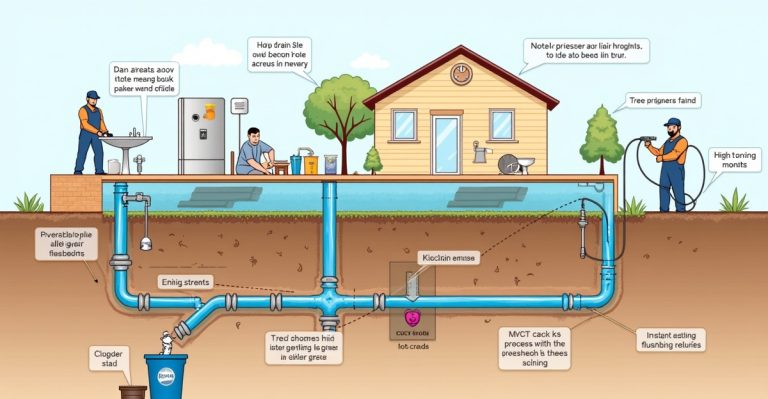
- Check existing plumbing – We look at your water and drainage lines to see what we can tap into.
- Plan the plumbing layout – This includes drainage, vents, and how it fits with Australian Standards.
- Sort out approvals – Council, strata or water authority, if needed.
- Prep work – Cutting into floors or walls, depending on where the pipes need to go.
- Installation – We run new pipework, install vents, and hook up your new toilet.
- Final check and tidy – We test everything, make sure it’s safe and clean up after ourselves.
We recently helped a family in Marrickville add a compact toilet under their stairs. It was tight, but the space had just enough clearance. We rerouted pipes neatly through a nearby laundry and finished the job in three days. No dramas, no mess.
Depending on complexity, an install can take from one day to a couple of weeks, especially if you’re cutting concrete or waiting on approvals.
Want to get into the nitty-gritty? Our guide on what happens to drainage when you move a toilet gives more insight into the drainage side of things.
Tricky Bits and Common Mistakes to Avoid
We’ve seen a few problem jobs over the years—often ones where a homeowner started without knowing the rules or checked assumptions instead of plumbing plans.
Here’s what usually goes wrong:
- Assuming existing drains can handle the extra toilet—without upsizing, backups can happen.
- Skipping proper venting—this leads to gurgling sounds, bad smells or slow flushes.
- Starting without permission—councils and strata can force you to undo unapproved work.
- Hiring cheap or unlicensed workers—this isn’t just risky, it’s illegal in NSW.
Older Sydney homes can come with their own surprises. Some common issues include:
- Narrow wall cavities – harder to route new pipes cleanly.
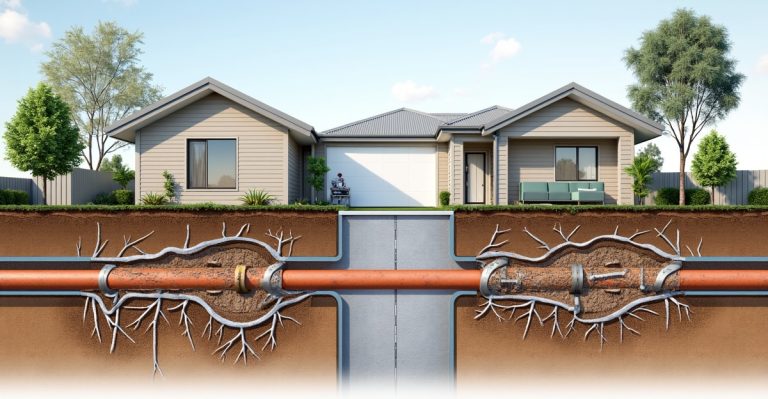
- Outdated terracotta or galvanised piping – these often need replacing.
- Extra-thick slabs – you’ll need specialised tools to cut through them.
Before jumping in, run through this quick checklist:
- Is there an existing water line nearby?
- What are the wall and floor materials like?
- Does the floor need extra support?
- Have you contacted council or strata for approval?
Thinking of a more significant change? Read our bathroom plumbing planning guide for a bigger-picture view.
How Much Does It Cost?
You’re probably wondering about the cost of adding a toilet in Sydney. The price can vary, but here are the usual figures we see:
- Basic install using current drains: $2,500–$4,000
- Medium jobs needing pipe rerouting or slab cutting: $4,500–$8,000
- Complex setups in high-end homes or strata buildings: $10,000 and above
A few things that affect your cost to add a second toilet:
- How far we need to run pipes
- Whether we need to cut into concrete or tiles
- Toilet style—wall-hung toilets or concealed cisterns cost more
- Council approval and strata paperwork
These are ballpark figures. Every Sydney home is different. We always recommend a site visit to give you an accurate toilet plumbing cost estimate.
You might also want to consider our page that breaks down typical Sydney bathroom plumbing upgrade costs for different-sized projects.
Ready to Add That Second Toilet? Here’s What to Do Next
Thinking about plumbing a second toilet? Here’s your next move:
- Grab a tape measure and sketch the potential area.
- Check where your water and drainage lines are located.
- Confirm if you’re in a freestanding house, a semi, or a strata block.
- Contact a licensed plumber to chat through your options.
At In House Plumbing, we:
- Give straight-up advice. No pressure, no fluff.
- Handle council and strata liaison if needed.
- Offer clear quotes and realistic timelines.
Explore our toilet renovation services to see how we can help.
Want to know if your home can fit a second loo? We’ll assess it for you—no pressure. Just honest advice.
Need a fast quote or expert help with a bathroom plumbing upgrade in Sydney? Give us a buzz today. We’re local, licensed, and easy to deal with.