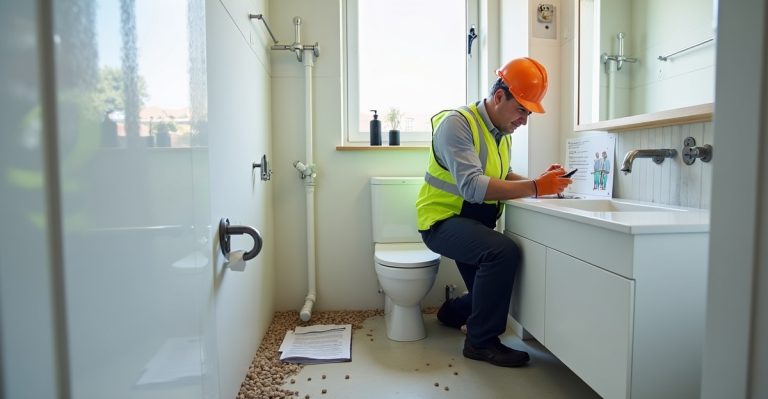
Can You Keep Existing Plumbing in a Renovation?

You can reuse existing plumbing during a renovation—if the system’s in good condition, follows NSW standards, and fits your new design. Trying to save with outdated or damaged pipes usually leads to leaks, mounting repair bills, or failed inspections later on.
Key Takeaways
- Reusing existing pipes works well when fixtures stay in the same position and the plumbing remains in good condition.
- Any signs of corrosion, wear, or code violations under NSW laws typically mean replacement makes more sense.
- Many older homes in Sydney suburbs like Glebe and Leichhardt have pipes that aren’t compatible with today’s fittings.
- Shifting showers, sinks, or toilets means new pipework, which can quickly drive up your costs.
- Getting a licensed plumber to inspect your system early helps catch problems and prevents budget surprises.
When Reusing Plumbing Can Save You Time and Cash – And When It Can’t
Keeping your existing plumbing during a renovation can save serious dollars and cut down on disruption, especially if you’re just upgrading fixtures in the same spots. Swapping out a toilet or vanity without shifting pipes? That’s usually a straightforward win.
It often makes sense if your current plumbing’s in good shape, meets today’s NSW codes, and lines up with your new design. But taking shortcuts with tired old pipes can backfire hard. If there’s corrosion, damage, or a code issue, it might cost even more to fix things later.
When Reuse Might Work
If your setup ticks these boxes, you might avoid major plumbing changes:
- Pipes are in good nick—no rust, no leaks, no cracks.
- You’re not moving fixtures—everything stays in the same spot.
- The refresh is like-for-like—just replacing what’s already there.
When It’s Better to Upgrade
Sometimes reusing what’s already there isn’t worth it:
- There are signs of damage like rust, strange smells, or wet patches.
- You’re relocating plumbing fixtures, changing levels, or redesigning the layout.
- The system doesn’t meet NSW plumbing code or modern water-saving standards.
A Sydney reality check: if your home’s in an older suburb like Glebe or the Inner West, expect the pipework to be dated. We often find old galvanised steel pipes, tree root blockages, or patch jobs that just won’t hold up in a reno.
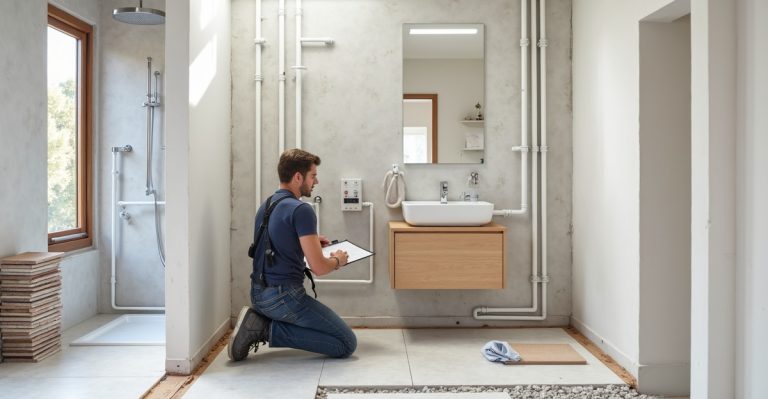
Not sure what’s hiding behind your walls? Book a quick inspection with one of our licensed plumbers—we’ll help you plan with confidence.
Factors Every Sydney Renovator Should Consider Before Reusing Plumbing
Before deciding whether to reuse plumbing, weigh up these six key factors. They can make the difference between a smooth reno and a stress-filled one:
6 Things to Check Before Reusing Plumbing
- Pipe Condition: If there’s any corrosion, cracking, or signs of leaks, it’s safest to replace.
- Age and Material: Galvanised steel and old copper pipes will deteriorate faster. PVC is now the go-to for most homes.
- Layout Compatibility: Match your new fixtures with existing drainage and supply lines where possible.
- Water Efficiency: Planning to install a dual-flush toilet or water-saving shower head? Older systems might not support newer tech.
- Accessibility: Pipes tucked behind tiled walls or concrete floors can be costly to fix later. Better to deal with issues now.
- Compliance & Safety: All work must meet the Plumbing Code of Australia and your local council’s regulations. Licensed plumbers only.
Wise renovators ask: how long will the old pipes last? Could they cause water hammer or hidden future leaks? Reusing pipes might seem like a shortcut until it’s not.
We once helped a café owner in Leichhardt reuse their kitchen pipework after a successful pressure test and a green light from council inspectors. It can be done—with the right checks in place.
For more on when pipe upgrades make sense, this guide on telltale signs your plumbing needs an upgrade is worth a read.
How Changing the Layout Impacts Your Pipes (and Budget)
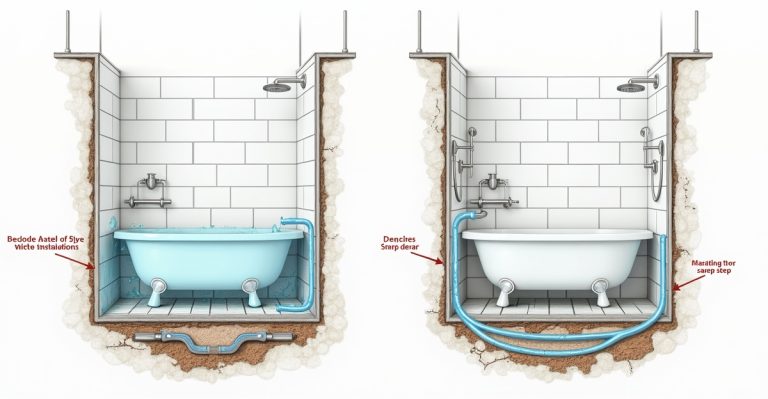
Thinking about shifting your toilet or moving a shower to a better spot? That’s where costs start climbing. Relocating pipes usually means cutting into walls or floors, rerouting lines, and possibly dealing with council checks.
In Sydney, pipe relocation costs can range from $1,000 to over $5,000 per room, depending on how your building’s constructed. Slab foundations and multistorey places are especially tricky.
For local businesses—think cafes, hair salons, or retail stores around Parramatta—those delays and costs can also mean lost income.
A smart workaround? Redesign your bathroom layout around your current plumbing points. It’s a handy solution we often suggest during bathroom renovations where budget is tight.
Want more clever ideas to cut costs without cutting corners? Check out this practical read on upgrading your bathroom without replacing plumbing.
How We Help Clients Make the Smart Call
We’ve worked with property owners all across Sydney—from Ryde to Ashfield—helping them weigh the pros and cons of keeping existing pipes.
One recent job in Marrickville: A Federation home reno kept the old bath waste pipe, but we had to install new hot water lines and mixer taps after spotting corrosion. It struck the right balance between saving money and staying safe.
For shops and venues doing commercial plumbing upgrades, our team often runs a full compliance audit before lifting a tile. That way, there are no nasty surprises halfway through the job.
Get a head start with our free downloadable guide—“Plumbing Renovation Checklist: What to Ask Before You Start”. It’s packed with questions to help you plan smart and avoid expensive missteps.
Not sure your pipes are up for a reno? We’re happy to take a look and give you straight answers.
What NSW Law and Local Councils Say About Renovation Plumbing
NSW doesn’t mess around when it comes to plumbing rules—and that’s good news for your safety and wallet.
Here’s what you need to know:
- You must use a licensed plumber for any renovation impacting water supply, sewer drainage, or gas.
- Depending on the scope, you may need to notify council or get approvals, especially in shared spaces like apartment blocks.
- Commercial sites—like restaurants or clinics—often need additional systems like greasetraps or backflow protectors.
- Renovation work must align with the Plumbing Code of Australia and local rules specific to your council area.
If you’re in areas like Hornsby or Canterbury-Bankstown, check with your local council before breaking ground. Councils can issue stop-work orders for unapproved plumbing changes.
And always make sure the tradesperson handling your job is licensed through NSW Fair Trading. No licence, no legal protection.
To make sure your job runs smoothly from the start, we recommend giving our plumbing repair team a call before your renovation kicks off.
Need Expert Advice Before You Touch Those Pipes?
Keeping existing pipes can absolutely save you money—if they’re in good condition, meet code, and suit your layout plans. But the risk of leaks, future repairs, or compliance hiccups means it’s not always the right call.
We’ve inspected old units in Bondi, redone bathrooms in Surry Hills terraces, and upgraded retail spaces in the Sydney CBD. In every case, a solid inspection up front made all the difference.
Want the full picture before committing? This guide on replacing old pipes during a bathroom renovation offers great perspective, especially for older builds.
If you’re relocating fixtures, this article on moving bathroom fixtures without replacing pipes is another must-read.
There’s also this detailed piece on hidden plumbing costs during bathroom renovations—a handy heads-up before you commit.
Need help fast? Call us today or book an inspection—we’ll help you renovate right, from the pipes up.