Can You Relocate Bathroom Fixtures Without Replacing Pipes?
Thinking about a bathroom renovation and wondering if relocating fixtures means tearing out all your old pipes? That depends on what you’re moving, how far you plan to shift it, and what kind of structure lies behind your walls or under your floors—especially in older Sydney homes or units built on concrete slabs.
Key Takeaways
- Sinks and vanities are often the easiest to reposition. Flexible connectors usually handle short-distance changes well. Toilets, though, typically require updated pipework due to strict drainage slope needs.
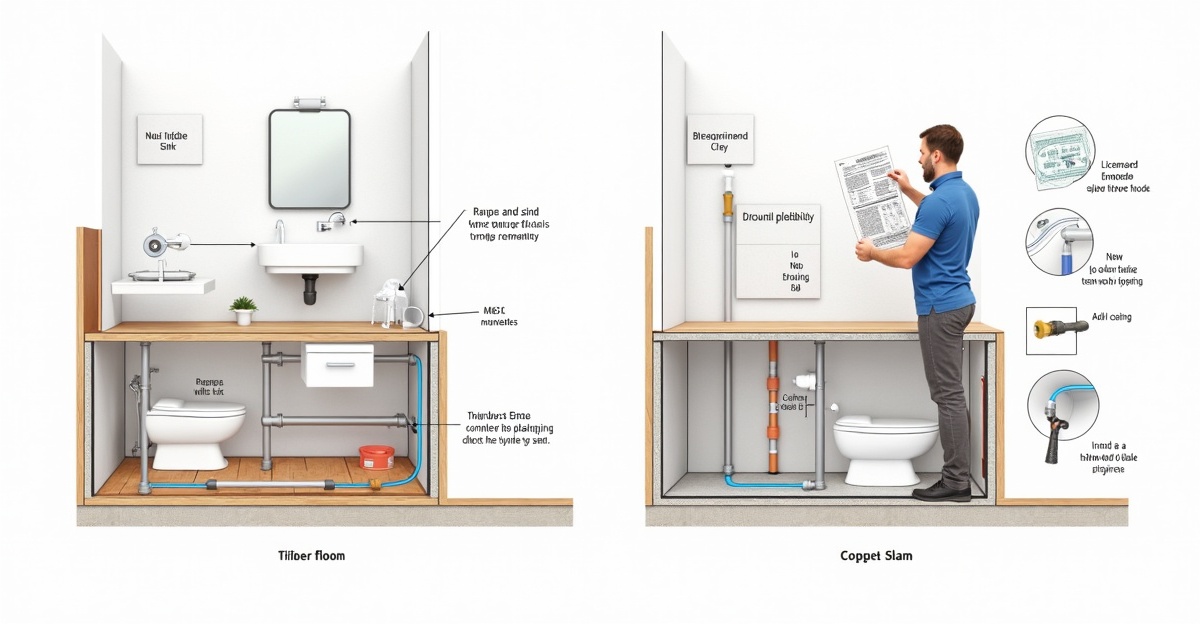
- Homes in NSW with timber floors (especially in areas like the Inner West) usually offer easier pipe access compared to newer apartments with concrete slabs.
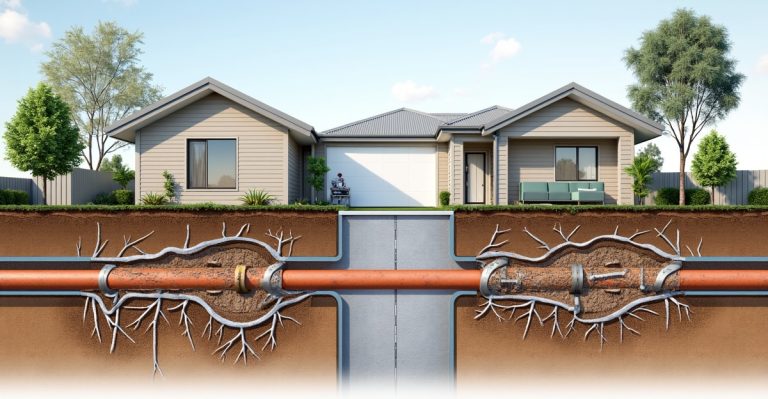
- If your plumbing still relies on old clay or corroded copper pipes, replacing them might be unavoidable—regardless of how much you move fixtures.
- NSW rules demand licensed plumbers certify most plumbing changes. Large shifts may also need council or Strata consent.
- Thoughtful design choices—such as bulkheads or alternate drain paths—can often bypass major repiping and make the work more cost-effective.
Can You Move Bathroom Fixtures Without Replacing Pipes?
Yes—you can sometimes relocate bathroom fixtures without replacing all the pipes. But whether it’s doable depends on the fixture, how far you want to move it, and the plumbing layout behind the walls or under the floor.
If you’re just shifting a vanity 30cm along the same wall, you might only need to extend some flexible connectors. But moving a toilet across the room? That usually means new pipework, because gravity drainage needs precision.
Here’s a quick breakdown of how mobile common fixtures are:
Fixture Flexibility—What’s Easy and What’s Not
When planning to relocate bathroom fixtures, keep these things in mind:
- Sinks and vanities: Easiest to move. Flexible tap connectors and shallow drains give you more play.
- Showers: Trickier. Drainage slope, waterproofing, and membrane rules come into play.
- Toilets: Toughest. Their waste pipe needs to be in a precise position to let gravity do its job.
Whether it’s a shower or toilet, everything has to slope downhill at the right gradient, known as the “fall.” Get the slope wrong, and you’ll end up with blockages or backflow.
If you’re thinking about a layout change, check out our guide on planning plumbing for a bathroom renovation first.
What Factors Determine If Pipes Can Stay Put?
Every renovation’s different, but three things tell us if we can move fixtures without overhauling the plumbing.
Key Factors That Matter
- Existing pipe layout: Simple, straight pipe runs are easier to adapt. Old setups with twists or multiple junctions? Not so much.
- Floor type: Timber subfloors give access from underneath, common in older Sydney homes. Concrete slabs (like many apartments) need cutting to change pipe positions.
- Pipe condition: If your home still uses clay or rusty copper pipes, it might be time to upgrade anyway.
Pipe access in bathroom renovations matters more than people think. In a cottage in Marrickville with timber floors, we recently rerouted vanity piping with minimal disturbance. But for a Bondi flat on a slab, adjusting a shower drain meant some heavy jackhammering and full replacement.
If you’re unsure whether replacing old pipes is worth it, check out our article on pipe replacement during bathroom upgrades.
How NSW Regulations Affect Your Layout Plans
Under NSW plumbing regulations, any major tweak to bathroom layout—especially moving sewer pipes—needs to follow code. For minor changes, a licensed plumber can self-certify the work. But big moves may call for a compliance certificate or even council approval.
Live in a Strata unit in Sydney’s Inner West? Your building manager might also need to approve everything before work starts.
What do we check first? Whether a job classifies as minor (like adjusting pipe connectors) or major (like fully relocating a toilet). We work under guidelines from NSW Fair Trading to make sure every job is legal and safe.
Cost Expectations: What You’re Likely to Pay
Moving fixtures without replacing all your pipes can definitely save you a few grand. In Sydney, here’s what you might expect:
- Toilets and showers (no pipe replacement): $800–$2,500
- With complete pipe replacement: $3,000–$6,000+, depending on access
Factors that affect price:
- How far you’re moving the fixtures
- Type of flooring (timber = cheaper; concrete = pricier)
- Age and materials of your plumbing system
Relocating a vanity by 50cm and using flexible connections? Low cost. Moving a wall-hung toilet across the room? Big job, big bill.
Wondering how much to move a toilet in Australia for your home? We’re happy to give you a quote. Get in touch any time.
Smart Workarounds That Can Save You Time and Money
We’ve had plenty of situations where clever planning avoided full repiping. A few tricks can go a long way:
- Flexible connectors: Great for sinks and vanities.
- False walls or bulkheads: These can hide rerouted pipes and still look good.
- Custom drain paths: Instead of breaking all the concrete, we might reroute the fall to a suitable junction point.
“Fall” simply means the downward slope your waste pipe needs to drain properly. If the slope’s off, you’ll get standing water or nasty smells. “Venting” lets air into the system to help things flow smoothly.
In one North Shore home, we hid a rerouted shower pipe inside a new bulkhead, avoiding damage to the slab and cutting down on cost.
If you’re thinking of moving your shower or adding a new vanity, ask about these options.
When to Call a Plumber (And What We’ll Look For)
A licensed Sydney plumber should always take a look before you commit to layout changes. We’ll tell you straight up whether you can move a fixture without repiping. No guesswork, no nasty price shocks later.
Here’s what we check:
- Current pipe access and layout
- Condition of pipes and connectors
- Drain slope (“fall”) and proper venting
- Compliance with NSW codes
- Any builder or strata approvals needed
Whether you’re trying to move a toilet without moving pipes or rework your whole bathroom plan, early advice makes the job smoother.
At In House Plumbing, we’ve helped hundreds of Sydney locals through tricky layouts—like splitting an ensuite for growing families or maximising space in small apartments.
Need help fast? Call us today or book an onsite quote. Let’s sort your plumbing the right way.