What Is Roof Plumbing? A Guide for Sydney Property Owners

If you’ve ever dealt with roof leaks, overflowing gutters, or unexplained water stains, chances are roof plumbing played a role—whether working properly or not. But what is roof plumbing, exactly?
This guide will walk you through the basics, explaining why it’s a crucial part of your home’s defense against water damage—especially in Sydney’s often unpredictable weather.
In this article, you’ll learn:
- Why Roof Plumbing Matters
- What roof plumbing is and how it differs from general plumbing
- How roof plumbing systems work
- Key components like gutters, downpipes, and moisture barriers
- Common roof plumbing issues to watch for
- Different types of systems used in homes and businesses
- Benefits of investing in proper roof plumbing
- Simple maintenance tips to keep your system in top shape
First, let’s understand what roof plumbing really is—and why it matters.

Why Roof Plumbing Matters
When you think of plumbing, you probably picture kitchens, bathrooms, or leaking taps. But there’s another vital system quietly protecting your home every time it rains: your roof plumbing. Designed to manage rainwater effectively, roof plumbing plays a crucial role in preventing roof leaks, water pooling, and costly structural damage.
It’s especially important in places like Sydney, where intense storms and heavy seasonal rainfall can quickly overwhelm an unmaintained system.
Roof plumbing isn’t just about gutters and downpipes—it’s a complete water drainage system that channels rainwater away from your roof and safely into the stormwater network. Without it, excess water can seep into your ceiling, walls, or foundation, leading to issues like mould, rot, or even internal flooding.
For homeowners and property managers, this means roof plumbing is not just a technical detail—it’s a front-line defense for your investment and peace of mind.
In this article, we’ll explain what roof plumbing involves, how it works, the components that make up the system, common problems to look out for, and how to maintain it effectively. Whether you’re planning a renovation or just want to prevent the next big leak, understanding roof plumbing is a smart step in protecting your property.

What Is Roof Plumbing?
Roof plumbing refers to the system of pipes, gutters, downpipes, flashings, and drainage elements installed on a building to safely manage rainwater runoff from the roof. Its primary function is to collect and redirect rainwater away from the structure, preventing leaks, overflow, and water-related damage.
Unlike general plumbing, which deals with supplying clean water and removing wastewater inside a home, roof plumbing is focused entirely on managing external water flow—specifically from rainfall and storm events.
A well-designed roof plumbing system is tailored to the building’s roof shape, materials, and local climate conditions. In cities like Sydney, where sudden downpours and stormwater surges are common, roof water systems are essential for maintaining the integrity of both residential and commercial buildings.

The Purpose of Roof Plumbing
Prevent Water Damage
Without effective roof plumbing, water can pool on your roof, seep through joints, or overflow into unwanted areas—damaging ceilings, walls, insulation, and even your foundation. Over time, this can lead to expensive repairs and long-term structural issues.
Maintain Structural Integrity
Proper roof drainage reduces stress on building materials. It helps prevent sagging roofs, rotting timber, and corroding supports—all of which can weaken the overall structure of your home or commercial property.
Support Rainwater Reuse
Many modern roof plumbing systems can be integrated with rainwater harvesting solutions, such as tanks that collect and store runoff for garden use or flushing toilets. This not only reduces your water bills but also supports eco-friendly living—something more Sydney residents are prioritizing.
In short, roof plumbing is about more than just preventing a leak—it’s a foundational system that protects your home from the top down.

How Roof Plumbing Works
Roof plumbing is designed to collect rainwater as it lands on your roof, divert it through purpose-built channels, and safely drain it away from your property. It’s a coordinated system that includes gutters, downpipes, flashings, and drainage points—all working together to protect your home from water damage.
Here’s how it works step by step:
- Collection
When rain hits your roof, it flows downward due to the roof’s pitch. The water is caught by the roof guttering system that runs along the edges of your roof. - Diversion
From the gutters, the water travels into vertical downpipes. These pipes direct the rainwater down the sides of your building. - Drainage
Once at ground level, the water either flows into a rainwater tank for reuse or enters the stormwater system—helping manage runoff and prevent localized flooding.
This process becomes especially critical during Sydney’s storm-heavy seasons. Without effective roof drainage, heavy rain can overwhelm your roof and cause overflow, leaks, or erosion around your property’s foundation.

Integration with Stormwater Systems
A key part of roof plumbing is its connection to the broader stormwater management infrastructure. In many Sydney suburbs, buildings are required to have compliant systems that feed excess water into the public stormwater network or onsite drainage pits. This prevents water from pooling around the home and reduces the risk of flooding during severe weather.
Some homes also use rainwater diversion systems to split water flow—sending a portion to rainwater tanks while excess flows into the stormwater drain. This dual-purpose design supports both environmental sustainability and functional water management.
In essence, roof plumbing is your property’s first line of defense during heavy rain. By effectively channeling water away, it ensures your roof remains dry, your walls stay intact, and your foundation is protected.
Components of a Roof Plumbing System
A fully functional roof plumbing system is made up of several interconnected components, each playing a specific role in directing rainwater away from your property. Understanding these elements can help you spot issues early and appreciate the value of professional installation and maintenance.
Here’s a breakdown of the key components of a roof plumbing system:

Roof Guttering
Gutters are horizontal channels fixed along the edges of your roof. Their job is to collect rainwater as it flows down the roof surface and guide it toward the downpipes. Gutters need to be free from blockages like leaves or debris to work effectively. In high-rainfall areas like Sydney, properly sized and sloped gutters are essential for preventing overflow and water damage. Roof Gutter Cleaning is a critical maintenance task to avoid these issues.

Downpipes
Downpipes are vertical pipes that transport water from the gutters down the sides of your building. They’re connected at intervals along the gutter line and direct water either into a stormwater drain or a rainwater tank. Blocked or rusted downpipes can lead to backflow or leaks around the roofline and foundations.

Flashings and Moisture Barriers
Flashings are thin pieces of waterproof material (usually metal) installed around roof joints, chimneys, skylights, and vents. They help seal vulnerable areas against leaks. Moisture barriers, on the other hand, are under-roof layers that prevent water from seeping through into the internal structure. Together, these elements provide an extra line of defense against water intrusion.

Rainwater Tanks
Many Sydney homeowners choose to connect their roof plumbing to rainwater tanks. These tanks collect runoff from the roof for reuse in gardens, toilets, or even laundry systems. They help reduce water bills and support eco-friendly living, especially during water restrictions.

Overflow Protection Systems
Overflow systems, such as overflow outlets or detention tanks, ensure that when rainfall exceeds system capacity, the excess water is safely diverted away from your property. These features are particularly useful in severe weather events and are often required by local building regulations to support effective waterproofing and drainage control.
Each of these components must work together seamlessly to ensure your roof plumbing system functions reliably. Regular checks and professional maintenance can help keep them in top condition—preventing issues before they start.
Common Roof Plumbing Problems
Even the best roof plumbing systems can run into trouble over time—especially if they’re not regularly maintained. Below are some of the most common roof plumbing problems that Sydney homeowners and property managers should watch out for. Catching these issues early can help avoid costly repairs and water damage.

Blocked Gutters
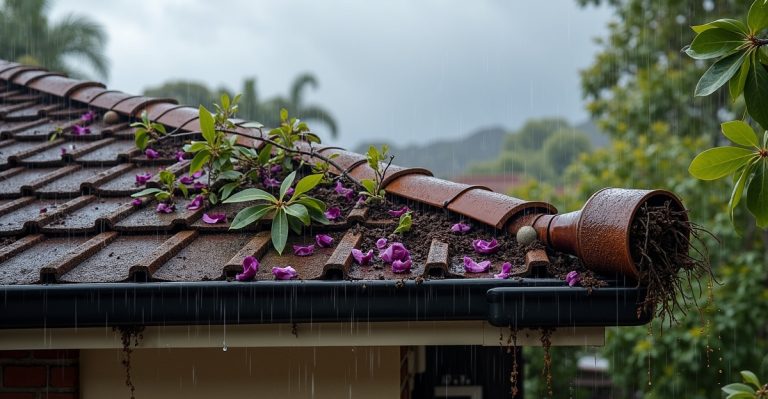
Leaves, twigs, and debris often accumulate in gutters, especially during autumn or after storms. When gutters are clogged, water can’t flow properly and may spill over the sides, damaging walls, windows, and foundations. In bushy Sydney suburbs like Hornsby or Castle Hill, blocked gutters are a frequent issue after heavy wind or rain. Gutter Leak Repair is often necessary to fix damage caused by overflows.
Tip: Regularly clean your gutters or install gutter guards to prevent buildup.

Corroded Downpipes
Over time, metal downpipes can rust—particularly if they’re constantly exposed to moisture or were made with lower-grade materials. Corrosion weakens the structure of the pipe, leading to leaks and poor drainage. In older Sydney homes with original fittings, downpipe corrosion is a common hidden hazard.
Tip: Look for discolouration, flaking, or leaks around your downpipes as early warning signs.

Roof Leaks
Leaks can occur due to cracked flashing, loose roof tiles, or clogged gutters that cause water to back up onto the roof. Even small leaks can lead to serious internal damage if left unaddressed. Roof Leak Repair is essential to address issues quickly and prevent long-term damage.
Tip: Inspect your ceiling for water stains or musty smells, especially after rain.

Overflow or Pooling Water
When your roof plumbing system can’t handle heavy rainfall, water may pool in gutters or on flat roof areas, increasing the risk of leaks and structural stress. This often happens when systems are undersized for the roof area or not sloped correctly for proper roof drainage.
Tip: If you notice frequent overflow during rain, have a professional inspect your system’s capacity and alignment.
These issues may seem minor at first, but they can quickly escalate if not addressed. A well-maintained roof plumbing system is your first defense against Sydney’s unpredictable weather—and regular inspections are key to keeping problems at bay.
Types of Roof Plumbing Systems
Not all roofs are built the same—and neither are their plumbing systems. The design and materials used in a roof plumbing system will depend on the type of property, the roof structure, and local climate considerations like Sydney’s frequent heavy rainfall.
Here’s a breakdown of the most common systems used across residential and commercial settings.

Residential vs. Commercial Roof Plumbing
Residential roof plumbing typically serves pitched roofs with visible guttering and downpipes, often connected to rainwater tanks or stormwater drains. These systems focus on aesthetics as much as function and are often integrated with eco-friendly solutions like rainwater reuse.
In contrast, commercial buildings often feature flat or low-pitched roofs, requiring larger-scale systems with internal box gutters, sumps, and siphonic drainage to handle greater surface runoff. These setups are designed to manage high volumes of water efficiently without affecting the building’s design or footprint.

Traditional vs. Smart Systems
Traditional systems use gravity-fed gutters and downpipes to guide water away from the roof. While reliable, they depend heavily on proper slope, regular cleaning, and maintenance.
Smart roof plumbing systems, increasingly used in both homes and businesses, may incorporate sensors, automated water level indicators, and integrated filters for rainwater harvesting. These are ideal for property owners looking to monitor water usage, detect issues early, or optimise sustainability.

Pitched Roofs vs. Flat Roofs
Pitched roofs are the most common in Sydney homes. They naturally guide water toward gutters, making them easier to manage with conventional guttering and downpipe systems.
Flat roofs, more common in commercial or modern residential designs, require more complex plumbing solutions. Without a natural slope, these systems rely on internal drainage and careful waterproofing to prevent pooling.

Material Considerations: The Role of Metal Roofing
Metal roofing is widely used in Sydney due to its durability, low maintenance needs, and suitability for rainwater collection. However, it requires precise installation to ensure proper alignment with gutters and flashings. Incorrectly installed metal roofs can result in leaks or noise issues during heavy rain.
Material selection—whether metal, tile, or membrane—impacts how water flows across the roof and what type of plumbing system is best suited to the structure.
Choosing the right roof plumbing system depends on your property’s design, intended use, and long-term maintenance goals. Whether you’re working with a traditional pitched roof or a modern flat design, it’s essential to match the system to the structure for efficient and reliable performance.

Benefits of Proper Roof Plumbing
A well-maintained roof plumbing system offers more than just protection from rain—it’s a long-term investment in the safety, value, and sustainability of your property. Whether you own a home or manage a commercial building in Sydney, here are the key benefits of roof plumbing done right.
1. Prevent Property Damage
Proper roof plumbing is your first line of defense against leaks, water intrusion, and structural wear. By efficiently directing rainwater away from the roof and foundation, it reduces the risk of damp ceilings, stained walls, warped timber, and costly repairs. In a climate like Sydney’s—where sudden downpours and high rainfall are common—leak prevention isn’t optional, it’s essential.
2. Improve Home Value
Buyers and renters are drawn to properties that are well-maintained and built to last. A fully functional roof plumbing system signals that your home has been cared for and can withstand harsh weather conditions. This can boost your property’s appeal and resale value, especially in competitive markets across Greater Sydney.
3. Support Eco-Friendly Water Management
With more Australians looking for sustainable living options, roof plumbing systems that support rainwater collection and reuse are increasingly popular. When connected to rainwater tanks, your system can reduce demand on municipal water supplies, lower your utility bills, and help you comply with water-saving regulations.
4. Enhance Structural Integrity
Beyond just aesthetics, proper roof water management preserves the integrity of your building materials. From preventing rot in timber frames to avoiding erosion around the foundation, well-planned drainage ensures your property remains strong and secure for years to come.
In short, the benefits of good roof plumbing extend far beyond the roofline. It safeguards your property, boosts its value, and contributes to a more efficient, eco-conscious home—making it one of the smartest upgrades or maintenance tasks you can invest in.

How to Maintain Roof Plumbing
Like any critical system in your home, roof plumbing needs regular attention to stay effective. Neglecting maintenance can lead to clogs, leaks, or even structural damage—especially during Sydney’s intense storm seasons. The good news? With a few simple steps, you can keep your system running smoothly and avoid unexpected repairs.
Clean Your Gutters Regularly
Leaves, twigs, and debris quickly build up in gutters, especially during autumn or after a windy storm. This can block water flow and cause overflow protection systems to fail. Aim to clean your gutters at least twice a year—or more often if you’re surrounded by trees.
Check for Rust, Leaks, and Blockages
Inspect your gutters, downpipes, and flashings for visible signs of rust, corrosion, or cracks. Pooling water, rust stains, or water trickling where it shouldn’t are all signs something’s not right. Catching these early can prevent water from backing up into your roof cavity.
Observe Water Flow During Rain
Next time it rains, take a quick look outside. Are your gutters overflowing? Is water shooting out from seams or corners? Observing your roof drainage in action can reveal issues you might not notice when it’s dry.
Schedule Routine Professional Inspections
Not all issues are visible from the ground. A licensed plumber can safely check your roof plumbing system, clear hidden blockages, inspect internal seals, and recommend improvements to keep everything working efficiently. Annual inspections are a smart preventative measure—especially before Sydney’s rainy season begins.
When to Call a Roof Plumbing Expert
There are times when a quick DIY fix won’t cut it. Contact a licensed roof plumber if you notice:
- Persistent leaks or damp spots on ceilings
- Water pooling near your home’s foundation
- Overflowing gutters despite recent cleaning
- Sagging or rusted sections of guttering or downpipes
- Ongoing issues despite basic maintenance
Preventative maintenance plans with a trusted plumbing provider can also help ensure your system is ready year-round. Regular check-ups reduce the risk of emergencies and extend the life of your roof plumbing setup.
Have questions about your roof plumbing? Our team is here to help. Whether you need an inspection, a quick repair, or expert advice, we’re ready to assist—on time and with no hidden fees. Contact us today.
Frequently Asked Questions (FAQs)
Roof plumbing refers to the system of gutters, downpipes, flashings, and drainage components that manage rainwater runoff from your roof. It’s important because it protects your property from leaks, structural damage, and flooding by directing water away from vulnerable areas. In places like Sydney, where heavy rain is common, an efficient roof plumbing system is essential to maintaining the integrity of your home or building.
Gutters collect rainwater as it flows off the roof, while downpipes channel that water down the sides of the building and away from the foundation. Together, they form the backbone of your roof drainage system, preventing water from pooling on the roof or overflowing into unwanted areas. When functioning properly, they work seamlessly to keep your home dry—even during intense storms.
Key components of a roof plumbing system include:
Roof guttering: Collects water from the roof
Downpipes: Transport water from gutters to ground level
Flashings and moisture barriers: Seal joints and prevent water intrusion
Rainwater tanks (optional): Store water for reuse
Overflow protection systems: Manage excess water during heavy rainfall
Each component plays a critical role in managing rainwater efficiently and preventing damage.
Common signs include:
Overflowing or sagging gutters
Water stains on ceilings or walls
Rusted or leaking downpipes
Pooling water around your property
Musty smells or visible mould indoors
These issues often signal blocked, damaged, or failing roof plumbing elements and should be addressed quickly to prevent further damage.
Regular maintenance is the best way to keep your system working properly. This includes:
Cleaning gutters and downpipes of debris
Checking for rust, cracks, or misalignment
Observing water flow during rainfall
Scheduling annual professional inspections
Consistent care ensures long-term performance, helps with leak prevention, and protects your home from water-related issues.