Water Heater Stopped Working? Diagnose & Fix Fast

There’s nothing quite as frustrating as turning on the tap only to be met with icy water—especially when you’re in a rush or it’s the middle of winter. If your water heater stopped working, this guide will help you get to the bottom of the issue quickly and safely.
Whether it’s a simple fix or something more serious, this water heater troubleshooting guide offers step-by-step solutions grounded in real plumbing expertise.
In this article, we’ll cover:
- Why Is Your Water Heater Not Working? (Common Causes)
- Safety First – What to Check Before You Start
- DIY Troubleshooting – Electric Water Heater Issues
- DIY Troubleshooting – Gas Water Heater Problems
- When to Call a Professional Plumber
- Preventative Tips to Avoid Future Hot Water Failures
Let’s start by looking at the most common reasons your water heater might have stopped working—and how to spot them early.
Why Is Your Water Heater Not Working? (Common Causes)
If your water heater stopped working, you’re likely wondering what went wrong—and how serious the issue might be. While a sudden loss of hot water can feel alarming, many of the most common causes are straightforward and, in some cases, easy to address. Understanding the root of the problem is the first step toward a fast, effective solution.

Electric vs Gas Water Heater Differences
Before diving into specific issues, it’s helpful to identify what type of system you have—electric or gas—as the causes of failure can vary between the two.
- Electric water heaters rely on internal heating elements and a thermostat to regulate water temperature. If the circuit breaker trips or a heating element burns out, the unit may stop producing hot water altogether.
- Gas water heaters, on the other hand, use a pilot light or ignition system to heat the tank. Problems with the gas supply, thermocouple, or ignition system are typical culprits when a gas model fails to heat.
Knowing your system type is essential because each has unique signs, risks, and troubleshooting steps. We’ll break these down in detail later in the article.

Common Water Heater Problems and Warning Signs
There are a handful of issues that account for most water heater failures. Here are the most common ones:
- Tripped Circuit Breaker or Blown Fuse (Electric Units): A simple power interruption can stop the heater from working.
- Pilot Light Out (Gas Units): If the flame has gone out or won’t stay lit, your system won’t heat water.
- Thermostat Malfunction: If the thermostat isn’t working properly, it may misread temperatures or fail to signal the heater to engage.
- Sediment Buildup: Over time, minerals from Sydney’s hard water supply can settle at the bottom of the tank, reducing efficiency or overheating the system. Learn more about preventing sediment buildup in hot water systems, including how regular maintenance can extend your unit’s lifespan.
- Faulty Heating Element: One of the most common reasons an electric hot water system fails to produce heat.
- Water Pressure Issues: Low or inconsistent water pressure can prevent the system from functioning correctly.
- Leaking Tank or Fittings: A leak could mean the system is compromised and needs immediate attention.
These issues often present with warning signs: lukewarm or cold water, strange noises, discoloured or rusty water, or even moisture near the base of the unit.

Factors Unique to Sydney Homes
Sydney properties—especially older homes—present their own set of challenges when it comes to hot water systems:
- Aging Infrastructure: Many homes in the area still rely on older plumbing systems or outdated hot water units that are more prone to failure.
- Hard Water Conditions: Sydney’s water often contains a high mineral content, which contributes to sediment buildup and reduces the lifespan of your unit. The city’s water profile can be seen in Sydney Water’s official analysis of mineral content and quality.
- Seasonal Usage Spikes: In colder months or during high-demand periods, water heaters in multi-person households may struggle to keep up, especially if the system hasn’t been properly maintained.
If you’ve recently moved into an older home or noticed recurring issues, it may be worth reviewing the signs your hot water system is failing to determine if replacement is needed.
Key takeaway: Identifying why your water heater has stopped working starts with knowing your system and spotting the signs early. From electrical hiccups to gas supply issues, most causes are common—and fixable with the right approach.
Next, we’ll walk through how to stay safe before attempting any troubleshooting.
Safety First – What to Check Before You Start
Before you reach for the toolbox, it’s essential to pause and prioritise safety. Working on a water heater—whether electric or gas—comes with real risks if precautions aren’t taken. A well-intentioned DIY fix can quickly turn dangerous without the right steps. Here’s what to check before doing any troubleshooting on your own system.

Turn Off the Power or Gas
If you have an electric hot water system, the first step is to turn off the power at the main switchboard. Locate the circuit breaker labelled for the water heater and switch it off completely. This eliminates the risk of electrical shock while you inspect or test components like the thermostat or heating element.
For gas water heaters, turn off the gas supply using the shut-off valve—typically found near the base of the unit. If you’re not sure how to do this safely, it’s best to stop and call a licensed professional.
Quick Tip: Always verify that the power or gas is completely shut off before removing panels or accessing internal parts.

Watch for Leaks or Rusty Water
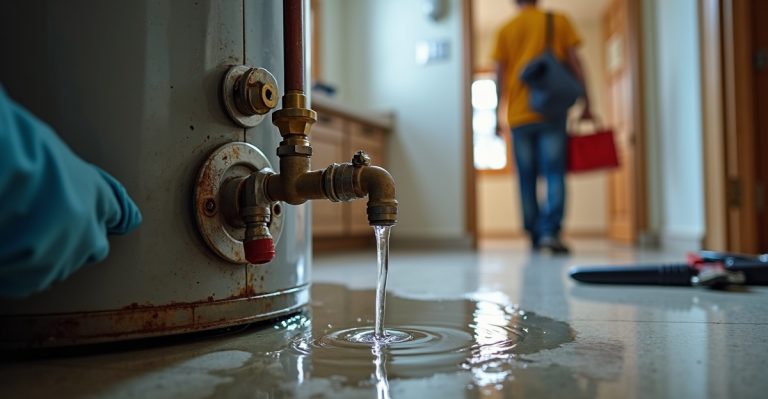
A leaking water heater is more than just a mess—it can be a safety hazard. Pools of water around the base of your unit or corrosion near the fittings may indicate pressure build-up, a cracked tank, or internal corrosion. Similarly, if you see rusty water when running a hot tap, your tank might be deteriorating from the inside out.
Don’t ignore these signs. A leak or corroded unit could rupture or flood the area if left unchecked.
If you spot any water leak or signs of a hot water system broken, stop your inspection and contact a qualified plumber immediately.

When NOT to Try Fixing It Yourself
Some situations are best left to the experts—no matter how handy you are. If you encounter any of the following, avoid DIY troubleshooting:
- A burning smell or signs of electrical damage
- Repeated circuit breaker trips related to the heater
- Gas smell or irregularities with the pilot light
- Water leaking from the tank body or seams
- Unfamiliarity or uncertainty with how to safely proceed
Your safety and your home are worth more than a quick fix. In these cases, calling a licensed plumber isn’t just smart—it’s necessary.
Key takeaway: Before checking why your hot water isn’t working, make sure your environment is safe. Always turn off the power or gas, check for leaks or damage, and know when to step back and call in a professional. Safety comes first—every time.
DIY Troubleshooting – Electric Water Heater Issues
If you have an electric water heater and you’re still without hot water, there are a few safe, practical checks you can do before calling a professional. These common electric hot water system problems often come down to power supply issues, thermostat settings, or sediment buildup. Follow the steps below to narrow down the issue and decide whether it’s something you can resolve—or if it’s time to call in expert help.

Check the Circuit Breaker and Power Supply
Start with the basics: make sure your water heater is receiving power. Head to your switchboard and look for the circuit labelled for your hot water system.
- If the circuit breaker has tripped, switch it off fully, wait a few seconds, then turn it back on.
- If the breaker continues to trip, that’s a sign of an electrical fault—don’t try to reset it repeatedly.
No power = no heat. Without electricity flowing to the unit, you may suddenly experience no hot water in house conditions.

Test the Thermostat and Reset Switch
Most electric hot water systems have a thermostat and an internal reset switch—typically located under a removable panel with insulation.
- Turn off power at the switchboard before removing any panels.
- Once safe, press the reset button (often red). If it clicks, it may have tripped due to overheating or a power surge.
- If the thermostat is damaged or misreading the temperature, it may fail to signal the unit to heat water.
Incorrect thermostat readings can result in warm water instead of hot—or no hot water at all.
Note: If you’re unsure where the reset button is or how to access it, it’s best to stop and contact a licensed technician.

Is the Heating Element Faulty?
One of the most common causes of an electric water heater not heating is a burned-out heating element. This component is responsible for actually warming the water in the tank.
Signs of a faulty heating element include:
- No hot water despite power to the unit
- Water that starts hot but goes cold quickly
- Tripped circuit breakers after the heater runs
Testing and replacing a heating element requires tools like a multimeter and experience with electrical components, so this is often best left to a professional unless you’re confident and experienced.

Sediment Buildup in the Tank
Over time, sediment from Sydney’s hard water can collect at the bottom of your water heater tank, especially if the system hasn’t been flushed regularly.
This buildup can:
- Act as insulation between the heating element and the water, reducing efficiency
- Cause strange rumbling or popping noises
- Lead to premature wear on the system
If sediment buildup is suspected, a system flush may help—but improper draining can damage the unit. Again, if you’re not experienced, call a plumber to perform this maintenance safely.
Key takeaway: Many electric hot water issues come down to power problems, thermostat errors, or heating element failures. With careful inspection and safety in mind, you may be able to spot the problem—but never push past your comfort level. When in doubt, a qualified professional can help diagnose and repair the issue quickly.
DIY Troubleshooting – Gas Water Heater Problems
If you rely on a gas water heater and you’ve suddenly lost hot water, there are a few critical areas to check before calling in a plumber. Unlike electric systems, gas models use a pilot light and burner assembly to heat your water, which introduces its own set of potential issues. Below are common problems and safe steps you can take to diagnose what’s gone wrong.

Check the Pilot Light and Gas Supply
One of the most frequent causes of a gas hot water heater not working is a water heater pilot light out scenario. Without this small flame, the burner won’t ignite, and your gas water heater stopped working as a result.
- First, locate the pilot light window near the bottom of the unit.
- If the flame is out, follow the manufacturer’s instructions to relight it. Most systems have a sticker guide near the access panel.
- No flame or trouble relighting? Check that the gas supply valve is open and the area is free of drafts.
Important: If you smell gas or suspect a leak, turn off the supply immediately and contact a licensed gas fitter—don’t attempt to relight the system.

Thermocouple and Ignition Issues
If the pilot won’t stay lit, the issue could be with the thermocouple—a safety device that shuts off gas if no flame is detected. A worn-out or misaligned thermocouple may prevent the pilot from remaining active, even if there’s no other fault.
- Light the pilot and observe: does it go out after releasing the control?
- If so, a faulty thermocouple is likely to blame and may need replacing.
Some newer gas systems use electronic ignition rather than a standing pilot. If your system clicks but doesn’t ignite, the igniter itself could be dirty or damaged.
These repairs typically require technical knowledge and proper gas-handling certification, so if you’re unsure, don’t proceed beyond this step—follow NSW gas safety guidelines and consumer rights before continuing or calling a professional.

Water Temperature and Flow Problems
Even when the burner is functioning, you might still experience low hot water temperature or inconsistent supply. Several issues could be causing this:
- Partially blocked water flow due to sediment or mineral buildup in pipes or the inlet valve
- An incorrect temperature setting on the control panel
- A malfunctioning thermostat sensor
- External factors like low gas pressure in your area
If the water is too hot or not hot enough, adjusting the thermostat can help—but avoid setting it above 50–60°C to prevent scalding. If changes don’t make a difference, deeper internal issues may be at play.
Key takeaway: Gas hot water systems rely on a working pilot light, gas flow, and clean ignition components to operate properly. If you find your hot water system not working, start with a visual inspection and basic checks—but leave more complex tasks like thermocouple replacement or gas valve repair to qualified professionals. Safety is always the priority.

When to Call a Professional Plumber
While some water heater issues can be resolved with safe, simple troubleshooting, others require the experience and tools of a licensed plumber. If your efforts haven’t restored your hot water—or if you’re unsure about the next step—it’s best not to take risks. Knowing when to stop and call in a professional to fix the issue can save time, prevent damage, and keep your home safe.
Signs It’s Time to Call an Expert
Not all problems have an obvious fix, and continuing to tinker can sometimes make things worse. Here are a few red flags that suggest it’s time to reach out to a qualified technician:
- You hear unusual noises like popping or banging from the tank
- The pilot light keeps going out after multiple relights
- You notice leaking water or corrosion on the unit
- There’s a persistent electrical smell or the circuit breaker keeps tripping
- The system heats intermittently or not at all, despite resets
- Your unit is 10+ years old and repairs are becoming more frequent (Most systems last between 8 and 12 years—see this overview on hot water system lifespan and replacement signs)
If you spot any of these issues, it’s safer and more cost-effective to call a professional plumber than to attempt further DIY repairs.
What to Expect from a Professional Diagnosis
When you book a licensed plumber, they’ll start with a full inspection of your residential water heater—checking the power or gas supply, testing the thermostat and sensors, inspecting for leaks or corrosion, and verifying the integrity of key components like valves, elements, or thermocouples.
They’ll then provide a clear explanation of the issue, outline your repair options, and give you transparent pricing before any work begins.
How In House Plumbing Can Help
If your water heater repair is needed and you’re in Sydney, the trusted team at In House Plumbing is ready to help. With over 20 years of experience and a strong reputation for fast, respectful service, we provide reliable, same-day solutions for all types of water heater problems—whether electric or gas.
We show up on time, work cleanly, and explain every step so you’re never left in the dark. No pressure, no jargon—just honest, professional support when you need it most.
Call a Pro If…
- The tank is leaking or rusted
- You smell gas near the heater
- The pilot light won’t stay lit
- The circuit breaker keeps tripping
- The unit is older than 10 years
- Your water heater is still not working after basic troubleshooting
Key takeaway: If your water heater still isn’t working—or if you’re dealing with leaks, strange smells, or repeated failures—it’s time to bring in a licensed professional. In House Plumbing is here to make the process seamless, safe, and stress-free.

Preventative Tips to Avoid Future Hot Water Failures
Once your water heater is back in working order, it’s worth taking a few proactive steps to prevent future breakdowns. Regular maintenance not only extends the life of your system but also ensures you have hot water when you need it most—without surprise outages. Here are three practical, long-term strategies every Sydney homeowner should consider.
Regular System Flushing for Sediment Control
One of the most common causes of water heater inefficiency—and eventual failure—is sediment buildup. Over time, minerals in your water supply settle at the bottom of the tank, especially in areas like Sydney where hard water is more common.
This sediment can:
- Reduce heating efficiency
- Lead to rumbling or popping noises
- Cause overheating or system strain
- Shorten the lifespan of your heater
To avoid this, we recommend flushing your tank at least once a year. This involves draining the tank, removing sediment, and cleaning out the water inlet. If you’re not comfortable doing this yourself, a professional plumber can handle it quickly and safely.
Routine flushing helps clean your water and ensures the heater runs smoothly and efficiently.
Installing a Water Softener in Hard Water Areas
If your home is in a hard water zone—a common issue across many parts of Sydney—you may want to consider installing a water softener. Hard water carries high levels of calcium and magnesium, which accelerate scale buildup inside your tank and pipes.
Benefits of a water softener include:
- Improved system performance
- Less frequent sediment flushing
- Longer-lasting water fixtures and appliances
- Cleaner dishes, softer laundry, and better-tasting water
In short, softening your water systems protects your plumbing from the inside out, helping prevent the very issues that cause water heater problems in the first place.
Consider a Smart or Eco-Friendly Upgrade
If your current unit is older or showing signs of wear, it might be time to explore a smart home plumbing upgrade or a high-efficiency replacement. Tankless water heater systems offer:
- Better temperature control
- Reduced energy usage
- Remote diagnostics and leak detection
- Government rebates for energy-efficient models
Modern models also provide more consistent hot water, helping ensure your system stays hot enough for household needs without spikes or drop-offs. Whether you choose gas, electric, or solar, selecting the right solution for your home’s size, usage, and efficiency goals can save money and hassle long-term.
Key takeaway: Preventing hot water failures isn’t complicated—it just takes a bit of foresight. With regular flushing, water softening, and a possible system upgrade, you can extend your heater’s lifespan and avoid costly disruptions. Taking care of your water heater’s needs now will pay off in comfort and peace of mind later.
Still have questions or not sure where to start?
Reach out to the trusted team at In House Plumbing for friendly, expert advice tailored to your system and your Sydney home.
Frequently Asked Questions
Here are answers to some of the most common questions Sydney homeowners ask when their hot water system stops working. These quick insights can help you understand the issue faster and decide on the next best step.
A sudden hot water not working issue can be caused by a number of things—see the full list of causes of sudden hot water loss here. For electric models, the issue is often a tripped circuit breaker, a faulty thermostat, or a burned-out heating element. For gas systems, it could be something as simple as the pilot light going out or a problem with the gas supply.
Other common reasons include sediment buildup, a malfunctioning thermostat, or, in colder months, increased demand exceeding your tank’s capacity. If you can’t identify the issue quickly, a professional can diagnose it and restore hot water promptly.
First, turn off the power to the unit at your circuit breaker. Then, locate the reset button—usually found under a small access panel on the side of the tank. Press it until you hear a click. If the button was tripped due to overheating or a surge, this should reset the system.
After pressing the reset, wait about 30 minutes and test for hot water. If the button keeps tripping or you still don’t have heat, there may be a deeper issue with the thermostat or heating element that needs professional repair.
If your pilot light won’t stay lit, the issue might be a faulty thermocouple—a component that senses heat and signals the gas valve to stay open. If the thermocouple is misaligned, dirty, or broken, the flame will shut off as a safety measure.
Other causes might include a draft blowing out the flame, a clogged burner, or a failing ignition system. If you’ve tried relighting the pilot without success, it’s time to call a gas hot water heater specialist to inspect the unit safely.
Yes—to a point. There are several basic checks you can perform safely, like flipping the circuit breaker, inspecting for leaks, or checking if the pilot light is lit. But once you go beyond visual inspections or simple resets, the risks increase.
Working with electrical wiring, gas lines, or pressurised systems can be dangerous. If you’re ever unsure, or if you see signs of electrical damage, leaking water, or gas smells, it’s safest to call a professional plumber to fix the issue properly.
If your system is over 10 years old, frequently breaks down, or shows signs like leaking water, rusty output, or inconsistent heating, it may be time to replace the water heater. Modern units are more efficient and often come with smart features that provide better control and diagnostics.
A qualified plumber can help you assess whether a repair will extend the unit’s life—or if replacement will be a smarter, long-term investment.