How to Tell If Your Hot Water System Is Failing

Noticed strange noises coming from your water heater? Hot water running out too quickly—or worse, not at all? These could be early signs your hot water system is failing. Whether you’re a Sydney homeowner or managing a strata property, catching these issues early can save you from sudden cold showers, costly repairs, or water damage down the track.
In this article, you’ll learn how to spot the warning signs, understand what might be causing them, and know when it’s time to call in a professional. We’ll also cover special cases like solar and roof-mounted systems that are common in NSW homes and businesses.
Here’s what we’ll cover:
- Common Signs Your Hot Water System Is Failing
- What’s Causing These Hot Water Issues?
- When Should You Call a Plumber?
- Repair or Replace? How to Decide
- Special Cases: Solar and Roof-Mounted Systems
- Conclusion: Know the Signs—Act Early to Avoid Bigger Costs
First, let’s look at the most common signs your hot water system might be in trouble.
Common Signs Your Hot Water System Is Failing
A reliable hot water system is something most of us don’t think about—until it starts playing up. Whether you’re managing a household in the Inner West or a commercial space in the Sydney CBD, recognising the signs your hot water system is failing early can save you time, money, and a whole lot of hassle. Here are the most common red flags to watch for.
Inconsistent or Fluctuating Water Temperature
If your hot water is scalding one minute and stone cold the next, that’s more than just annoying—it’s a classic warning sign. Water temperature fluctuations usually mean your system is struggling to maintain a stable output, which could be caused by a failing thermostat, faulty heating element, or sediment buildup inside the tank. It’s not something that will fix itself over time—and it often gets worse the longer you wait.
Rusty, Brown, or Discoloured Water
Turning on the tap and seeing brown or rusty water can be alarming. This is often caused by rust or corrosion inside your hot water tank, especially in older systems. If left untreated, it can lead to leaks or complete system failure. It’s also worth checking if the issue affects both your hot and cold taps—if it’s just the hot water, your system is the likely culprit.
Tip: In Sydney homes with older plumbing or tank systems, discoloured water is a sign to act fast before the tank fails completely.
Leaks Around the Hot Water Unit or Pipework
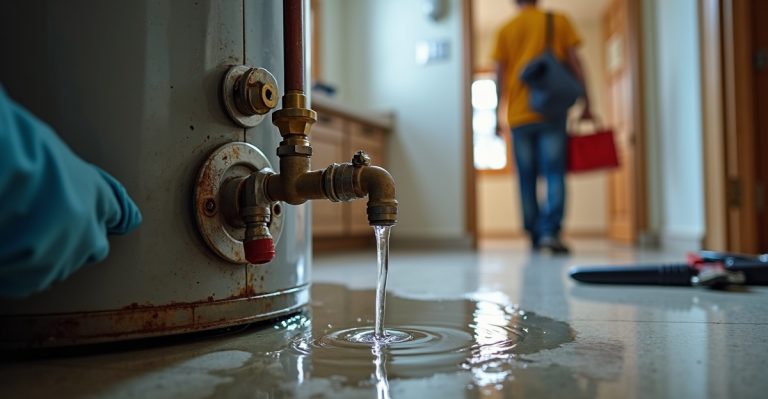
A small puddle near your hot water system might seem minor, but it could indicate a deeper issue. Leaking hot water units can stem from internal corrosion, damaged seals, or pressure valve problems. For roof-mounted systems—common in many Sydney homes—leaks can also cause water damage to roofing and insulation, leading to even more costly repairs. These issues may need professional inspection by a reliable hot water plumber.
Unusual Noises Like Banging or Gurgling
Hot water systems are usually quiet, so if yours starts making odd sounds—like banging, popping, or gurgling—it’s time to take notice. These unusual noises from water heaters often come from sediment build-up heating unevenly inside the tank. Left alone, it can strain the system and reduce its lifespan.
Reduced Hot Water Pressure or Flow
If your hot water trickles out instead of flowing freely, your system might be the problem. Water pressure problems can result from blockages, valve issues, or internal component failures. While low water pressure can also stem from other plumbing faults, when it’s only affecting your hot water, it’s worth getting the unit inspected.
Hot Water Running Out Too Quickly
Your system used to handle back-to-back showers just fine, but now it runs out halfway through the first one. Sound familiar? If your hot water isn’t lasting, your system may be losing efficiency—or it might be undersized for your current needs. Aging systems often struggle to heat water as quickly or hold heat as well, especially in winter when the incoming water temperature is colder.
Key takeaway: If you’re experiencing any of these signs—don’t ignore them. Hot water systems rarely fail without warning, and early action can prevent bigger repairs or water damage. Not sure what’s going on with your system? We’re happy to take a look and give you an honest assessment.
What’s Causing These Hot Water Issues?
Now that you know what to look for, let’s dig into the most common reasons behind these problems. Understanding what’s causing your hot water system to play up helps you make better decisions—whether that’s calling a plumber, planning a replacement, or knowing what to expect during a service.
Sediment Build-Up and Tank Aging
Over time, minerals settle at the bottom of your hot water tank. This sediment build‑up in hot water tanks acts like an insulator — forcing the system to work harder to heat your water. That extra strain leads to overheating, rumbling noises, reduced efficiency, and eventually, system breakdown.
If your hot water takes longer than usual to heat, or you hear popping or crackling sounds, there’s a good chance sediment is to blame. Flushing the tank can help in some cases, but older systems with years of build-up may need more serious attention—or replacement. For long-term results, some homeowners consider modern hot water solutions to improve efficiency.
Electrical or Gas Heating Element Failure
All hot water systems use either gas or electricity to heat your water—and both types can fail in different ways. With electric hot water systems, heating elements or wiring issues are common failure points. In gas systems, pilot light problems or faulty thermocouples often lead to no hot water or only partial heating.
Understanding the difference between electric vs gas hot water systems helps your plumber quickly identify the issue and make the right fix. It’s also useful when deciding whether to repair or upgrade.
Thermostat or Valve Malfunctions
The thermostat is the control centre of your hot water system—it tells the unit when to heat water and how hot it should get. If it’s faulty, you might experience dangerously hot water or water that’s lukewarm at best.
Pressure relief valves and tempering valves also play a safety role, regulating heat and pressure inside the tank. When they malfunction, they can cause leaks, pressure drops, or even prevent your system from heating properly. These are precision parts, and fixing them isn’t a DIY job—it requires a licensed gas fitter or plumber for safe, compliant repair.
End of System Life Cycle
Like all appliances, hot water systems have a shelf life. The typical lifespan of a hot water system in NSW is around 8–12 years, depending on the brand, water quality and maintenance. Systems that are rarely serviced—or exposed to harsh weather, like roof-mounted units—may break down even sooner.
If your unit is over 10 years old and showing signs of trouble, it might be more cost-effective to upgrade your hot water unit than keep patching it up.
Key takeaway: The symptoms you notice—like discoloured water or inconsistent temperature—usually trace back to one of these root causes. If your system is ageing or has never been serviced, it’s worth getting it checked by a licensed plumber. Early action often means a simpler fix—and a longer-lasting system.
When Should You Call a Plumber?
It’s one thing to notice something’s off with your hot water—it’s another to know when it’s time to call in a professional. While some issues can seem minor at first, they can quickly turn into serious (and costly) problems if left unchecked. Here’s how to know when it’s time to pick up the phone.
Signs That Require Immediate Professional Help
If your hot water system has suddenly stopped working, is leaking heavily, or you’re dealing with no hot water at all, don’t wait. These are all signs that you need emergency hot water repair in Sydney. Other red flags include:
- Water that’s dangerously hot or completely cold
- Strange noises that weren’t there before
- Water pooling near the unit
- A sudden spike in your energy or gas bills
These issues not only affect your comfort—they can also pose safety risks. Whether you’re a homeowner in Bankstown or managing a café in the Inner West, getting a licensed plumber on-site fast can prevent further damage.
Risks of Delaying Repairs (Including Water Damage)
Putting off a plumbing issue might save a few dollars now, but it can cost far more later. A slow leak from your hot water system, for example, can soak into flooring, wall cavities, or insulation—especially with roof-mounted units. And yes, a leaking hot water system can cause roof damage or even internal ceiling damage in multi-storey homes.
If water damage occurs, you may need to lodge an insurance claim for water damage. But here’s the catch: many insurers require evidence that the issue wasn’t caused by neglect. That’s why it’s important to act quickly and get a professional leak detection in Sydney as soon as a problem arises.
Tip: Keep records of your hot water maintenance—it can support your insurance claim if damage does occur.
Strata and Business Properties—Who’s Responsible?
If you manage a commercial property, shop, office, or strata complex, the stakes are even higher. A failed hot water system can disrupt business, inconvenience tenants, or breach safety compliance.
For strata plumbing maintenance, the line between tenant and strata responsibility can be tricky. In most cases, the hot water system is considered common property if it services multiple units—but always check your strata plan. Either way, delays in organising compliant plumbing repairs can affect insurance coverage or result in unhappy tenants.
Key takeaway: If you’re unsure whether a problem is urgent, it’s better to be safe than sorry. Acting early not only protects your property but also helps with insurance, compliance, and peace of mind. And if you’re managing a business or strata building, timely repairs are essential to avoid downtime and disputes.
Repair or Replace? How to Decide
When your hot water system starts acting up, one of the biggest questions is whether it’s worth fixing—or if you’re better off replacing it entirely. The right decision depends on several factors, including cost, age, and long-term reliability. Let’s break it down.
System Age and Cost Considerations
Start by checking how old your system is. Most hot water units in NSW last around 8 to 12 years, depending on the brand, water quality, and how well they’ve been maintained. If yours is over 10 years old and showing signs of trouble, it may not be worth sinking more money into repairs.
That said, the plumbing service call cost for a quick fix is often much cheaper than a full replacement—especially if the issue is minor. In Sydney, expect a basic hot water repair visit to start from around $150–$300, depending on the nature of the problem and the time of day.
Repair Risks vs. Long-Term Value of Replacement
There’s always a balance between the short-term savings of a repair and the long-term reliability of a replacement. If your system has already needed multiple repairs, is leaking, or can’t keep up with your household or business needs, a replacement may be more cost-effective in the long run.
Here’s a quick comparison to help you decide:
| Factor | Repair | Replacement |
| Cost | Lower upfront cost | Higher upfront cost |
| System Age | Best for units under 8 years | Ideal for systems 10+ years old |
| Efficiency | May remain inefficient | More energy-efficient models |
| Reliability | Risk of future breakdowns | Full warranty and peace of mind |
| Downtime | Quick fix, less disruption | 1-day install, some planning |
If you’re leaning toward replacement, explore options like new hot water setup that offer better efficiency and performance.
Safe Disposal of Old Systems
If you do decide to replace, it’s important to ensure safe hot water system disposal. Old tanks can’t just be left out for council pickup, and improper removal can be hazardous due to pressure build-up or residual gas. A professional hot water installation team will safely drain, disconnect, and dispose of the unit according to NSW waste regulations.
At In House Plumbing, we handle old system removal as part of every replacement—so you don’t have to worry about lifting heavy tanks or dealing with scrap metal recyclers.
Key takeaway: If your system is relatively new and the issue is small, repairing might be all you need. But if you’re facing ongoing problems or the unit is nearing the end of its lifespan, investing in a new system could save you stress, downtime, and money over time. Need help making the call? We’re always happy to offer honest advice based on your situation.
Special Cases: Solar and Roof-Mounted Systems
In Sydney, many homes and strata properties are fitted with solar or roof-mounted hot water systems—great for energy efficiency, but they do come with their own set of quirks. If you’ve got a setup like this, here’s what to watch for and how to handle issues safely and professionally.
Servicing Solar Hot Water Systems
Solar systems need regular checks to keep them running efficiently. Blocked panels, airlocks, faulty pumps, or damaged sensors can all cause inconsistent heating or cold showers on cloudy days. If your water is only heating partially or not at all, it could be time for solar hot water servicing.
Unlike standard systems, solar units combine plumbing and electrical components. So, it’s important to work with plumbers familiar with both solar technology and Sydney’s building standards.
Issues With Roof-Mounted Systems
Roof-mounted hot water system issues can be trickier to detect because the unit is out of sight. Leaks, corrosion, or loose pipe connections may not be obvious until water starts seeping into ceilings or pooling on the roof.
This raises a common concern:
“Can a leaking hot water system cause roof damage?”
Yes, absolutely. Water escaping from a tank or pipe can soak insulation, damage roof timber, or even lead to mould inside your ceiling cavity. And because the system is elevated, gravity makes the leak spread faster than you might expect.
Tip: If you notice water stains on your ceiling or hear dripping noises in your roof cavity, get it checked ASAP—it’s often the first sign of a failing roof-mounted system. For expert help, our team offers roof leak repairs and safe system inspections.
Detaching Solar Panels Safely for Repairs
If your hot water unit or roof needs repairs, you may need to temporarily remove solar panels. This process—called a solar panel detach and reset—must be handled carefully to avoid damaging the panels or voiding your warranty.
So, what’s involved in detaching a solar hot water panel?
It includes safely disconnecting water and electrical lines, removing the panel from the mounting brackets, storing it securely, then reinstalling and testing it after roof or system work is complete. Only licensed professionals with solar experience should manage this process to ensure compliance with NSW safety standards.
At In House Plumbing, we coordinate with licensed electricians and roofing specialists if needed, so you don’t have to juggle multiple trades.
Key takeaway: If you’ve got a solar or roof-mounted system, regular servicing and prompt attention to any signs of trouble are essential. These systems are efficient—but also more complex—and small issues can escalate quickly if ignored. Not sure what condition your system’s in? We’re happy to assess it and let you know if any maintenance or repairs are needed.
Conclusion: Know the Signs—Act Early to Avoid Bigger Costs
Hot water issues rarely appear out of nowhere. Most systems show clear warning signs before they break down completely—and catching those early can save you from cold showers, roof damage, or a big repair bill.
If you’ve noticed any of these issues, it’s worth getting a professional assessment—especially if your system is over 8 years old or hasn’t had a service in a while.
At In House Plumbing, we’ve helped countless homeowners, business owners, and property managers across Sydney spot problems early and avoid bigger headaches later. We’ll inspect your system, explain what’s going on in plain English, and give you honest options—no pressure, just help when you need it.
Not sure what’s going on with your hot water? Contact us today for a no-obligation inspection.
Frequently Asked Questions
If your hot water isn’t lasting like it used to, it could be due to sediment build-up in the tank, a failing heating element, or a thermostat that’s no longer regulating temperature properly. Older systems also lose efficiency over time, especially if they haven’t been serviced regularly. For growing households or businesses, it might also be a sign that your current unit is undersized for your needs.
It depends on the age and condition of the unit. If your system is less than 8 years old and the issue is minor, a repair can make sense. But if it’s over 10 years old, has recurring problems, or has started leaking, replacement is usually the more cost-effective and reliable long-term solution. A licensed plumber can help you weigh up both options.
Repair costs can vary based on the issue and system type. In Sydney, plumbing service call costs typically start from $150–$300 for basic repairs. More complex issues—like replacing a heating element or fixing a roof-mounted leak—will cost more. We always recommend getting a clear, upfront quote before any work starts.
Yes, especially if it’s a roof-mounted hot water system. A slow leak can soak into roof insulation, timbers, or ceiling cavities—leading to water damage, mould, or structural issues. Early signs include water stains on the ceiling or unexplained damp patches. Prompt repairs can help you avoid costly damage and protect your home or business.
Detaching a solar panel for repairs or roof work involves disconnecting water and electrical lines, unmounting the panel, securely storing it, and then reinstalling and testing it after the job is done. It’s called a solar panel detach and reset, and it should only be handled by licensed professionals to ensure safety and warranty compliance.