How to Tell If You Need a Hot Water Replacement

Knowing when to upgrade your hot water system helps avoid cold showers, high energy bills, and urgent breakdowns. This guide helps spot the warning signs—from rusty water to old equipment—so we’ll know when to book a repair or start fresh in our Sydney homes.
Key Takeaways
- No hot water, rusty water, or fluctuating temperatures signal a failing system.
- If the unit’s more than 10 years old—especially electric—replacement often makes more sense than repair.
- Leaks, damp patches, or knocking sounds often mean internal wear or mineral buildup.
- NSW law requires licensed plumbers to carry out any system replacement—leave it to the professionals.
- Gas, electric, and solar units offer different advantages. Newer units come with energy savings and potential rebates.
7 Signs Your Hot Water System May Be On Its Last Legs
Here’s a clear checklist of warning signs that your hot water system might be ready to retire:
Common issues we see in Sydney homes:
- No hot water or it takes ages to heat up – especially noticeable during your morning shower rush.
- Discoloured water from the hot tap – a rusty or brown tint could mean corrosion inside the tank.
- Odd noises like banging or popping – these sounds usually point to sediment build-up damaging your system.
- Inconsistent temperature or pressure – you might notice lukewarm water one minute, scalding the next.
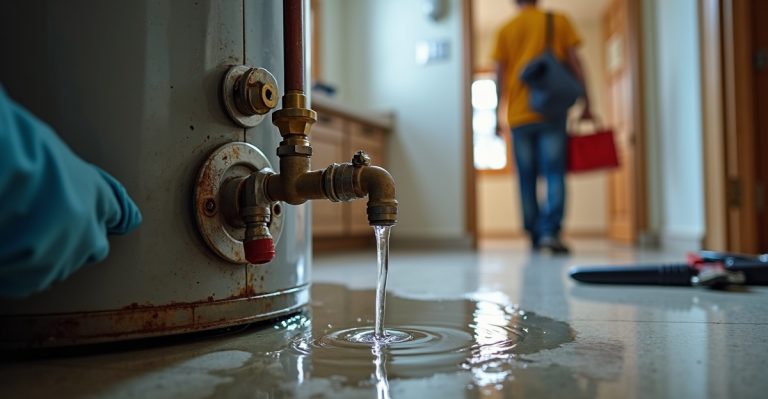
- Leaks or pooling at the base – even a small puddle means water is escaping somewhere it shouldn’t.
- System age – if yours is over 10 years old, especially in older suburbs like the Inner West or Northern Beaches, start planning for a replacement.
- Spiking energy bills – a worn system works harder, which ups your power costs fast.
If any of these sound familiar, check out our guide on how to tell if your hot water system is failing.
Repair or Replace: What’s Worth Fixing (And What’s Not)
Knowing when to repair and when to replace saves time, money, and headaches. Here’s how we break it down:
- Electric systems: tend to last 8–12 years.
- Gas or solar systems: usually last around 10–15 years.
- If your system is 10+ years old and giving you grief, replacing it is often the smarter move.
On the other hand, small issues like a faulty thermostat or a busted valve might be fixable. But if there’s rust in the tank or repeated leaks, it’s time to let it go.
We helped a homeowner in Parramatta who kept losing hot water every few weeks. Their system was 13 years old and rusty inside. We did a full hot water system replacement with a new model built for efficiency. No more cold showers for them.
If your unit’s acting up but you’re unsure, here’s a helpful guide on what to do when your water heater stops working.
When It’s Time to Call a Plumber ASAP
Some hot water problems can wait a couple of days. Others need immediate attention. Here are the red flags:
- Water flooding around the unit – this could mean a tank rupture.
- No hot water on a cold weekend – a big issue for families or local cafés relying on a steady supply.
- Strong burning smell or your circuit breaker keeps tripping.
- Discoloured water with a metallic taste – especially concerning in homes with older pipework.
NSW regulations require licensed plumbers for all hot water work. Don’t DIY it – it’s risky and non-compliant.
Need help right now? Our Sydney emergency plumbers are ready – give us a buzz any time.
What a Hot Water Replacement Involves (Without the Fuss)
Replacing your hot water system doesn’t have to be stressful. Here’s what usually happens:
- We start with an on-site inspection and check over the current system.
- Then offer advice on the best size and model for your home or business.
- Once you give the go-ahead, we handle the old system removal and new installation. If it’s straightforward, we’re usually done the same day.
- We finish up with a safety check, pressure test, and council compliance paperwork.
In NSW, a licensed plumber must do the work. And if you’re going with a more efficient model, you might be eligible for a government rebate.
A new system usually costs between $1,500 and $4,000, depending on size, type, and complexity.
Still unsure if you’re ready to replace? We’re happy to take a look and give honest advice.
Gas vs Electric: Choosing the Right System for Your Sydney Home
Not sure which system suits your place? Here’s a quick comparison that’ll help:
- Gas hot water systems are great for larger families. They heat water quickly and work well if there’s already a gas connection. See our full range of Sydney gas hot water systems here.
- Electric systems are cheaper to buy and easier to install, but usually cost more to run especially during peak electricity hours.
- Solar or heat pump options are eco-friendlier and often qualify for energy rebates. They’re great in newer suburbs or builds that support green upgrades.
For example, we recently helped a hair salon in Newtown install a compact electric storage unit that fit in a tight back room – reliable, tidy and cost-effective.
In harder water areas like Campbelltown, we recommend systems with reinforced tanks to reduce corrosion over time.
For help choosing, see our guide on how to choose the right hot water system.
Common Questions from Sydney Locals (FAQs)
We get asked these a lot – here are straight answers:
- Can I take a shower if the system’s acting up? Probably, but watch the temp. If it drops suddenly, call us.
- Do I need a permit for a new install? Your plumber will sort any forms needed under NSW rules.
- Can I downsize from a 250L tank? Yes – especially if your household has changed or you’re using less water.
- Will I have hot water the same day? In most cases, yes – especially if we catch it early.
We’ve helped hundreds of Sydney homes and businesses make a smooth switch — from Penrith to the Northern Beaches.
Not sure what’s going on with your system? Give us a call – we’ll happily take a look and walk you through your options.