The Difference Between Renovation and New Build Plumbing

Renovation vs new-build plumbing hinges on your starting point—modifying existing pipework or working from a clean slate. Each approach calls for different timelines, council approvals, and strategies, especially across NSW’s building standards.
Key Takeaways
- Renovation plumbing connects into current systems and often reveals unexpected issues like aging pipes or tight access once the walls come down.
- New-build plumbing starts fresh, which demands clear planning—ideally before pouring the concrete slab.
- Plumbing updates in existing homes might only need partial compliance documents. In contrast, new construction must meet full certification across each phase.
- Renovation can cause more disruption if we’re staying in the property. New construction avoids that, though it puts pressure on keeping the build on track.
- Costs vary in both. Renovation tends to carry higher risk due to unknowns hidden behind finishes, while new builds trade risk for strict scheduling needs.
Key Differences at a Glance: Renovation vs New Build Plumbing
Here’s a quick side-by-side look at the key differences between renovation and new build plumbing:
| Aspect | Renovation Plumbing | New Build Plumbing |
|---|---|---|
| Project Type | Upgrades or alters existing plumbing systems | Start-to-finish plumbing installation from scratch |
| Planning Stage Involvement | After design decisions; limited initial input | Early planning—before slab or framework |
| Timeline Expectations | Variable and often reactive to existing issues | Generally smoother with longer lead time |
| Common Disruptions | Demolition discoveries, outdated materials, access | Delays can impact whole project but no daily disruption |
| Council & Compliance Needs | May require compliance certificates; varies by upgrades | Full approvals needed; sign-off by certifier |
| Cost Influencers | Demolition, rerouting work, unknowns behind walls | Scope and size of the full system design |
| Best Time to Bring in a Plumber | Before demolition or layout locking | As early as the drafting/planning phase |
To be clear on definitions:
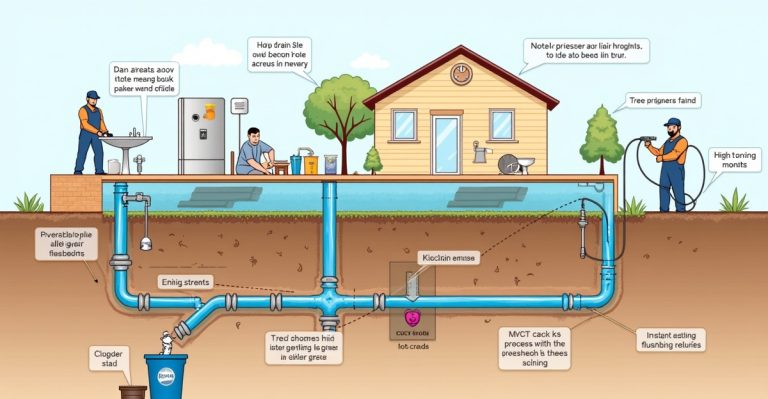
Renovation plumbing involves upgrading or altering what’s already there. Think bathroom makeovers, kitchen redos, or rerouting pipes during a house extension.
New build plumbing starts from zero. It includes setting up all plumbing systems for a new home, duplex, shop fit-out or commercial building.
You’ll find the biggest differences between renovation and new build projects rest on what you’re working with—something existing or a clean slate.
Not sure where your project fits? We’re happy to help you sort it—just give us a ring.
Planning and Design: When Plumbing Gets Involved
When you’re deciding on floor plans or getting quotes, it’s the perfect time to bring plumbers into the picture. But the timing and scope look quite different between renovation and new build plumbing.
Planning in a New Build Plumbing Process
With new builds, everything starts early. We’ll often be working with architects and builders before the slab is even poured. Early input lets us map out drain locations, set up stormwater systems, and plan for future needs like irrigation or greywater.
One job we completed in the Inner West involved a duplex new build. Because we got involved during the initial drafts, we adjusted pipe runs and rainwater management before construction, avoiding rework during framing.
How Renovation Plumbing Works
With renovations, plumbing usually comes in after someone says, “I want the vanity here and the shower over there.” But once we open walls or pull up tiles, surprises can pop up—like dodgy joints or lead-based solder. That’s when our experience really pays off.
Renovation jobs also often require working around existing structures, which affects access, costs, and timeframes.
Whether it’s redesigning water points or working alongside your tiler after rough-in, the plumbing needs to sync with every other trade on site.
If you’re still at the ideas stage, check out this planning guide for bathroom plumbing to help you avoid surprises down the track.
Costs and Disruption: What to Expect (and Budget For)
The plumbing cost landscape can vary wildly depending on whether you’re upgrading an old space or building a fresh one.
Plumbing Upgrades NSW: What Drives Prices
- Renovations often take longer due to demolition, limited access, and older materials like clay, copper, or cast iron.
- New builds usually have higher initial quotes but smoother installations with predictable sequencing.
- In NSW, council approval costs vary. Renovation jobs might only need a compliance cert if you’re moving wet zones, while new builds need full plumbing sign-offs.
A bathroom reno we did in Parramatta hit a curveball when we removed an internal wall and found cracked ceramic pipes buried behind 1970s tiling. That added time and cost—but because the owner had budgeted for unknowns, we managed it without drama.
How Disruptions Play Out
- Renovation work can get in the way—especially if you’re living or running a business in the property at the time.
- New builds have no occupants yet, but delays can stall the whole timeline if services fall behind.
We always give you a full scope of what’s involved before we touch a pipe—no surprises. If you’re curious what kind of expenses to prep for, check out this guide on bathroom plumbing costs.
Regulations and Compliance: Doing It Right in NSW
From Sydney to the Central Coast, plumbing work needs to meet NSW regulations. No exceptions.
Types of Plumbing Projects and What’s Required
- Renovations: You might need a compliance certificate if you’re shifting wet zones, installing new fixtures, or upgrading systems to meet current code.
- New builds: Every stage—from drainage to final install—needs to be approved and signed off by a licensed plumber and possibly a certifier or council inspector.
We also need to factor in Sydney plumbing compliance requirements like:
- Proper waterproofing (especially behind walls and under floors)
- Backflow prevention to protect drinking water
- Correct stormwater drainage—essential in our flash-flood-prone suburbs
Each council in NSW has its own approach. Some favour CDCs for minor alterations; others require full Development Applications. Either way, all plumbing must meet NSW Fair Trading rules, whether you’re renovating a laundry or fitting out a commercial shop.
Want to make sure everything checks out? Here’s a handy plumbing checklist before tiling that can help avoid costly redos.
What Homeowners Need to Know: Renovating Your Space
Here’s what we see most often for plumbing renovation Sydney-wide:
- Bathroom and kitchen reworks
- Laundry moves or upgrades
- Adding ensuites or small granny flats out the back
Smart Planning for Plumbing for Home Renovation
Before we get started, we always recommend:
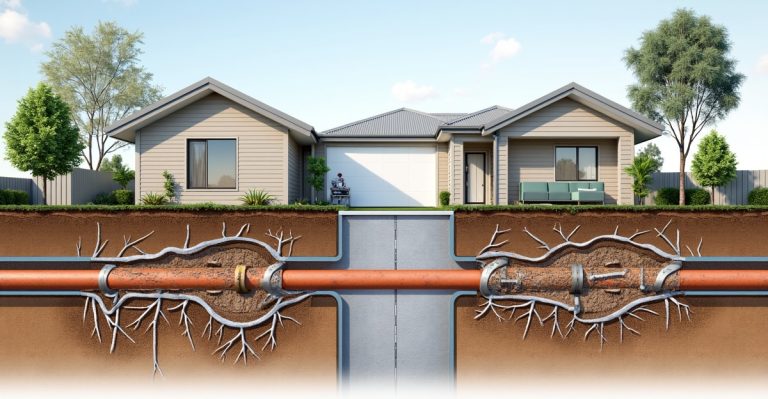
- Finding out what’s behind your walls—this tells us what’s reusable and what’s got to go
- Considering efficient upgrades like water-saving toilets, low-flow tapware, and modern HWS options
Worried about ageing pipes? Read this quick guide on whether old pipes need replacing.
And yes, older homes can still get great results. We’ve worked in post-war homes in Ryde where the original copper lasted better than expected after 50+ years—no need to rip it all out.
Thinking about renovating your bathroom? Or just need honest advice before touching anything? We’ll take a look and walk you through your options.
What Business Owners Should Plan For: Plumbing in New Fit-Outs
For commercial fit-outs—cafes, clinics, retail shops—the plumbing stakes are higher. More rules, more complexity, and more impact if something goes wrong.
Key Factors for Commercial Plumbing Sydney Projects
Here’s what we plan for:
- Hot water capacity (especially for hospitality or services)
- Grease traps for kitchens
- Backflow prevention for any medical or dental service
- Staff bathrooms that tick off workplace health and safety
- Working outside business hours to avoid downtime
A recent dental clinic fit-out we handled in Sydney’s Inner West involved full plumbing setup across two floors. We designed it with future treatment rooms in mind, ensuring easy access to water supply and waste lines. The result? Zero downtime at launch and full compliance from day one.
Got a business to run? You can’t afford delays. Let us handle the plumbing correctly first go so you can focus on the grand opening.
Want to go deeper into the process? Check out our guide showing the step-by-step plumbing rough-in during major works.
Need a plumber for a new shower fitout, toilet upgrade, or new vanity? Our plumbing installation services have you covered anywhere in Greater Sydney.
From Penrith to Bondi, we’ve helped hundreds of locals figure out the next step. Still wondering what’s right for your place? Give us a call today—we’ll make it easy.