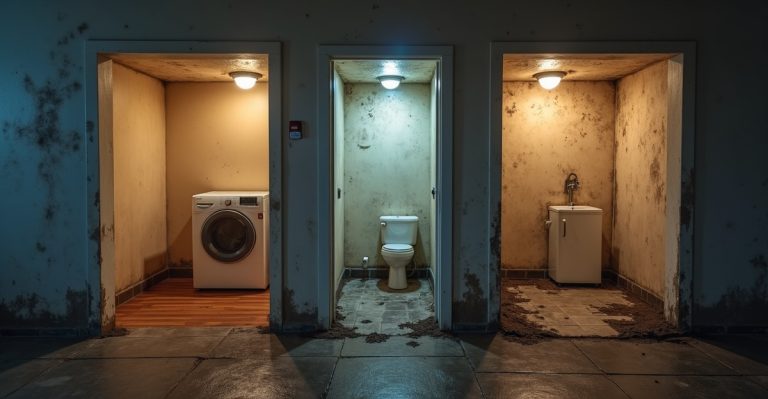
NSW Waterproofing Regulations: What Homeowners Must Know

When planning a renovation or repair in your home, understanding NSW waterproofing regulations isn’t just helpful—it’s essential. These laws and standards exist to protect your property, ensure long-term durability, and avoid costly compliance issues that can derail even the best-planned projects.
In this guide, we’ll walk you through everything you need to know to stay compliant and stress-free. Whether you’re updating a bathroom or sealing a balcony, this article will help you avoid common pitfalls and know when to bring in the pros.
Here’s what we’ll cover:
- Why Waterproofing Compliance Matters in NSW
- Key Waterproofing Regulations Every Homeowner Should Know
- Where Compliance Applies: Common Wet Areas in Homes
- Who Can Do the Work? Licensing and Certification in NSW
- Inspection, Documentation, and Approval Process
- When to Call a Professional: Tips for Homeowners
- Conclusion: Take Control of Your Renovation Compliance
Let’s start by looking at why waterproofing compliance matters—and what can happen if you don’t get it right.

Why Waterproofing Compliance Matters in NSW
Waterproofing might seem like a behind-the-scenes part of home renovations, but in New South Wales (NSW), getting it wrong can have serious consequences—especially when you don’t recognise the signs of waterproofing failure early. Beyond just dealing with water damage, non-compliant waterproofing can lead to failed inspections, costly rework, fines, and even legal disputes—especially if you’re planning to sell or rent out your property.
The Legal and Financial Stakes Are High
In NSW, waterproofing work—especially in wet areas like bathrooms, laundries, and balconies—is governed by strict regulations under the National Construction Code (NCC) and local council guidelines. These rules exist to ensure buildings are safe, healthy, and durable. Failing to follow them isn’t just a construction misstep—it’s a legal issue.
Here are a few of the potential risks of non-compliance:
- Failed inspections and renovation delays: If your waterproofing doesn’t meet required standards, your renovation project may stall until it’s fixed and reinspected.
- Legal liability: As the homeowner, you are ultimately responsible for ensuring all work complies with NSW regulations—even if a contractor is at fault.
- Insurance complications: Water damage caused by poor or unapproved waterproofing might not be covered by your home insurance and plumbing coverage.
- Costly repairs: Fixing damage from non-compliant waterproofing (like mould, rot, or structural degradation) can cost thousands and may require ripping out and redoing entire rooms.
- Issues at sale or rental: If you’re preparing to sell or lease your property, a building inspection that flags waterproofing issues could reduce your property’s value—or stop the sale altogether.
Compliance Isn’t Just a Box to Check
Many homeowners assume that if the job looks tidy, it must be up to code. But compliance goes beyond appearances. Waterproofing standards include specific requirements for materials, application methods, curing times, and more—all of which must be documented and, in many cases, certified by a licensed professional.
Takeaway: Ensuring your waterproofing compliance NSW is established from the start isn’t just smart—it’s essential. It protects your investment, safeguards your home, and helps you avoid unnecessary stress down the line.

Key Waterproofing Regulations Every Homeowner Should Know
Navigating waterproofing rules can feel overwhelming, especially when legal and technical language gets involved. But understanding the key standards that apply to residential renovations in NSW is crucial for staying compliant—and avoiding costly setbacks. Below is a breakdown of the most important regulations you need to be aware of, explained in simple terms.
National Construction Code (NCC) & NSW Building Code
The National Construction Code (NCC) sets out the minimum requirements for all building work across Australia, including waterproofing. In NSW, this is supplemented by specific provisions in the NSW Building Code, which reflect local conditions and legal expectations.
Key waterproofing-related elements include:
- Mandated use of waterproof membranes in wet areas
- Structural requirements for moisture barriers
- Drainage and fall specifications to prevent pooling
Why it matters: The NCC is the baseline for what’s considered “legal and safe” construction. If your project doesn’t meet these minimums, it won’t pass inspection—and may require costly revisions.
AS 3740: Waterproofing of Internal Wet Areas
The AS 3740-2021 standard is the go-to regulation for waterproofing inside residential buildings. It applies to spaces like:
- Bathrooms
- Laundries
- Toilets
- Powder rooms
This standard covers:
- Where waterproofing is required (e.g., shower recesses, behind sinks)
- How high membranes must extend on walls
- What materials and application methods are acceptable
Why it matters: Even if a surface looks water-resistant (like tile), it’s the membrane underneath that counts. AS 3740 defines what “properly waterproofed” means and reflects the Australian standards waterproofing bathroom renovations must follow.. For a practical guide, check out this bathroom waterproofing how-to article for homeowners.
NSW Fair Trading Requirements
NSW Fair Trading enforces regulations specific to residential construction, including waterproofing. They set out rules around:
- Who is legally qualified to perform waterproofing (must be licensed)
- The need for Home Building Compensation (HBC) insurance for work over a certain value
- Requirements for waterproofing certificates as part of building certification
Why it matters: If your waterproofing work is done by an unlicensed provider—or without the right paperwork—you may not be legally covered. This can complicate insurance claims and resale, and may even result in fines.
Takeaway: Understanding these three regulatory pillars—NCC, AS 3740, and NSW Fair Trading—ensures your work aligns with NSW waterproofing standards. Think of them as your waterproofing safety net: clear, enforceable standards that protect your property, your wallet, and your peace of mind.

Where Compliance Applies: Common Wet Areas in Homes
Waterproofing regulations in NSW don’t apply to just one room—they cover multiple “wet areas” throughout a home. These are the zones most vulnerable to water exposure, and they each come with their own set of compliance requirements. Understanding how the rules apply room by room can help you plan smarter, avoid costly oversights, and ensure your renovations meet legal standards from the ground up.
Bathroom Waterproofing
Bathrooms are the most heavily regulated wet area in any home due to strict bathroom regulations NSW.. With daily exposure to running water, steam, and humidity, even a minor waterproofing error here can lead to major damage.
For full-service support, professional bathroom waterproofing ensures compliance with all local standards.
To choose the right membrane, see our guide to the best waterproofing membranes.
Compliance essentials:
- Shower recesses must be fully waterproofed—including walls up to at least 1,800 mm.
- The floor must be waterproofed and properly graded toward a floor waste.
- Walls surrounding bathtubs and vanities typically require at least 150 mm of waterproofing above the fixture.
Common compliance issue: DIY jobs often fail to meet membrane height requirements or use incorrect sealants that degrade over time.
Laundry and Kitchen Wet Areas
These utility spaces might seem lower risk than bathrooms, but they still require targeted waterproofing to prevent slow leaks or hidden moisture damage.
Laundry compliance tips:
- The floor must be waterproofed if it’s on a second storey or above habitable rooms.
- Areas around the washing machine, especially behind and beneath, need proper sealing.
Kitchen considerations:
- Waterproofing isn’t typically mandated in full kitchens, but splash zones (e.g., around sinks or under dishwashers) may benefit from sealed surfaces or waterproofing membranes as part of best practice.
Common compliance issue: Homeowners often underestimate laundry moisture risks—especially when the space doubles as a mudroom or storage area.
Balcony and External Areas
Outdoor areas like balconies and terraces are exposed to rain, drainage issues, and temperature shifts—making them one of the most failure-prone spots for waterproofing.
Compliance essentials:
- Balconies must have a continuous waterproof membrane under the surface finish.
- Proper drainage and fall direction are critical to prevent water pooling.
- Junctions between the wall and floor must be sealed with compatible materials.
Common compliance issue: Waterproofing failures in balconies often come from poor slope design or using indoor-rated materials outdoors.
Takeaway: Whether inside or out, each wet area in your home has unique compliance needs. Knowing where and how waterproofing applies can help you catch risks early, plan renovations with confidence, and ensure your property stays protected—room by room.

Who Can Do the Work? Licensing and Certification in NSW
When it comes to waterproofing in New South Wales, hiring the right professional isn’t just about skill—it’s about legal compliance. Not everyone is legally permitted to carry out waterproofing work, and using an unlicensed tradesperson can leave you open to failed inspections, voided warranties, or even fines. Here’s what you need to know before signing off on any job.
Licensed Builders vs. Certified Waterproofers
In NSW, waterproofing work valued at over $5,000 (including materials and labour) must be carried out by a licensed contractor. This can include:
- A licensed builder who is qualified to oversee entire construction or renovation projects, including waterproofing.
- A certified waterproofer who holds a specific waterproofing licence issued by NSW Fair Trading.
Both must meet training and competency standards and carry appropriate insurance.
Tip: Even if your project is under the $5,000 threshold, using a licensed contractor is still recommended—and is often covered in NSW owner builder course answers. for peace of mind and compliance documentation.
Why Plumbing Integration Matters
Waterproofing and plumbing often go hand in hand—especially in bathrooms, laundries, and kitchens, where strict waterproofing requirements NSW apply. For example:
- A plumber may install floor wastes, drains, or pipework that interact with waterproofed areas.
- Coordination is essential to avoid disrupting waterproof membranes after installation.
This means your waterproofing contractor should communicate effectively with your plumber (or be licensed to handle both), ensuring seamless integration and code compliance across trades.
How to Verify a Contractor’s Credentials
Before hiring, it’s important to confirm that your contractor holds a valid waterproofing license NSW to legally carry out the work. Here’s how:
- Visit the NSW Fair Trading online licence check tool.
- Enter the contractor’s name or licence number.
- Check that the licence is active and covers waterproofing (not just general construction).
You should also ask for:
- A waterproofing certificate NSW upon job completion
- Proof of Home Building Compensation (HBC) insurance, if applicable
Red flags to watch for:
- Cash-only payments with no invoice
- Unwillingness to provide licence or insurance details
- Lack of written contract for larger jobs
Takeaway: Only licensed professionals can legally perform waterproofing NSW projects to meet regulatory standards. Verifying credentials upfront protects your property, ensures code compliance, and gives you legal recourse if something goes wrong.

Inspection, Documentation, and Approval Process
Compliance in waterproofing isn’t just about using the right materials or hiring licensed professionals—it also involves getting the right paperwork in order. From mandatory inspections to official sign-offs, the approval process is a crucial part of any renovation or build involving wet areas. Skipping or mishandling these steps can cause project delays, extra costs, and legal headaches.
Bathroom renovation projects often require coordination across multiple stages, so documentation is critical. To better understand your responsibilities, check your local council inspection and certification requirements before proceeding with any major work.
When Are Inspections Required?
In most residential renovations, waterproofing work must be inspected at key stages before the next phase (like tiling) begins. These inspections may be carried out by:
- A private certifier
- Your local council building inspector
- Or a principal contractor under certain conditions
Typical inspection points:
- After membrane installation but before it’s covered (e.g., before tiling)
- During final inspection as part of overall building compliance
Missing or failing these inspections can result in:
- Project hold-ups
- Rework at your expense
- Non-compliance notices that affect your building certification
Why Compliance Documentation Matters
All waterproofing work must be properly documented with a waterproofing compliance certificate NSW to prove it meets NSW waterproofing regulations. This includes:
- A Waterproofing Certificate of Compliance, signed by a licensed contractor
- Site photos showing membrane application
- Product details (e.g., membrane brand and specifications)
- Date of work and contractor licence information
These documents are important for:
- Final certification by a certifier or council
- Insurance claims, if issues arise later
- Future resale or property valuation, where records may be requested
When Is Council Approval Needed?
If your renovation involves structural changes (like extending a bathroom or building a new balcony), you may need:
- A Development Application (DA)
- A Complying Development Certificate (CDC)
- Or a Construction Certificate (CC)
Waterproofing is one part of the overall building approval, and it must align with the plans submitted to the council or certifier. Unapproved work—even if done correctly—can lead to costly retrospective approvals or forced changes.
Takeaway: Documentation and inspection are just as important as the waterproofing itself. A smooth, compliant project depends on timing inspections, securing certificates, and understanding when council approval is required. Don’t leave the paperwork as an afterthought—it’s your key to legal, lasting renovations.

When to Call a Professional: Tips for Homeowners
Waterproofing might seem like a job you can handle with the right sealant and a few YouTube tutorials—but in NSW, that approach can lead to major trouble. Knowing when to call a licensed professional can save you from costly repairs, failed inspections, or even legal issues—especially when you’re debating DIY vs. professional waterproofing in NSW.
Whether you’re planning a full renovation or just replacing a shower base, involving a certified waterproofer or plumber early in the process is essential. For shower upgrades, professional shower installation ensures compliance and durability.
When to Involve a Professional
Here are common scenarios when you should absolutely bring in a licensed expert:
- Planning a renovation involving wet areas like bathrooms, laundries, or balconies
- Repairing existing leaks or water damage in waterproofed zones
- Replacing showers, bathtubs, or vanities that require membrane disruption
- Building or altering a balcony or external wet area
- Preparing a property for sale and need to ensure compliance
- Any job valued over $5,000, which legally requires a licensed contractor in NSW
Even if the work seems minor, waterproofing must meet strict standards that only certified professionals are trained and qualified to handle.
What to Ask Before Hiring
To ensure you’re working with someone reputable and qualified, ask these key questions:
- Are you licensed for waterproofing in NSW?
- Can you provide your licence number for verification?
- Will I receive a Certificate of Compliance upon completion?
- Do you carry Home Building Compensation (HBC) insurance?
- What type of membrane will you use, and is it compliant with AS 3740?
- Can you coordinate with my plumber to ensure a seamless process?
Asking these upfront protects you from non-compliant work and ensures the professional understands NSW-specific requirements.
The In House Plumbing Difference
At In House Plumbing, we understand how stressful renovations and repairs can be—especially when compliance is on the line. That’s why we prioritise:
- Transparency: Upfront answers, clear timelines, and no hidden costs
- Professionalism: Licensed, experienced tradespeople who respect your space
- Trust: Certificates, documentation, and open communication—every step of the way
Whether you need waterproofing, plumbing, or both, our team ensures everything is done right the first time, giving you peace of mind and long-term protection.
Takeaway: Don’t wait until a small issue becomes a major headache. Calling a licensed professional early ensures your waterproofing is compliant, high-quality, and built to last—exactly what your home deserves.

Conclusion: Take Control of Your Renovation Compliance
Understanding NSW waterproofing regulations isn’t just a checkbox on your renovation to-do list—it’s a key part of protecting your home, your investment, and your peace of mind. Whether you’re renovating a bathroom, updating a laundry, or building a new balcony, obtaining a bathroom waterproofing certificate NSW ensures your work meets legal compliance.
By familiarising yourself with the National Construction Code (NCC), AS 3740 standards, and NSW Fair Trading requirements, you’re already taking a proactive step toward smarter, safer renovations. But compliance doesn’t end with knowledge—it’s about execution, documentation, and working with the right licensed professionals.
If you’re unsure where to begin or want the confidence that your project is being handled correctly, don’t go it alone. Involving a qualified waterproofer or plumber early can save you time, money, and stress later on.
Need expert advice? Talk to a licensed professional today. At In House Plumbing, we’re here to help you navigate the process with transparency, care, and expertise—so your renovation is not just beautiful, but built to last.
Frequently Asked Questions (FAQs)
In most cases, waterproofing itself doesn’t require separate council approval. However, if your bathroom renovation involves structural changes—like altering walls, expanding the space, or changing plumbing layout—you may need a Development Application (DA) or Complying Development Certificate (CDC). It’s best to check with your local council or a certifier before beginning any major work.
AS 3740 is the Australian Standard that outlines waterproofing requirements for internal wet areas in residential buildings. It specifies where waterproofing must be applied (e.g., shower walls, floors behind vanities), what materials are compliant, and how membranes should be installed. Following AS 3740 helps prevent water damage, mould, and compliance issues during inspections.
Only licensed contractors can legally perform waterproofing work over $5,000 in value (including materials and labour) in NSW. This includes certified waterproofers and licensed builders with the appropriate classification. All professionals must be licensed through NSW Fair Trading, and their credentials should be verified before work begins.
Non-compliant waterproofing can result in:
Failed inspections and renovation delays
Mandatory rework at your expense
Fines or legal notices
Insurance claim rejections
Reduced property value or complications when selling
Compliance protects you from these risks and ensures your project meets industry standards.
You can verify a contractor’s licence using the NSW Fair Trading online licence check tool. Simply enter the person’s name or licence number to confirm their credentials, licence status, and whether they’re authorised to carry out waterproofing work. Always request proof of licence and a Certificate of Compliance upon job completion.