How to Prevent Leaks After a Bathroom Renovation

A newly renovated bathroom should bring comfort and value—not water damage and stress. Unfortunately, it’s surprisingly common for Sydney homeowners to discover leaks just weeks or months after a renovation. If you’re wondering how to prevent leaks after a bathroom renovation, this guide will walk you through the key causes, smart prevention tips, and what to do if something goes wrong.
Whether you’re planning a reno or already noticing signs of trouble, this article will help you avoid costly headaches and make confident, informed decisions.
Here’s what we’ll cover:
- Common Causes of Leaks After a Bathroom Renovation
- How to Prevent Leaks Before, During, and After Your Bathroom Renovation
- Signs of a Hidden Leak After a Bathroom Renovation
- What to Do If You Notice a Leak After Renovation
- Local Expertise Matters – Why Sydney Homeowners Trust In House Plumbing
- Conclusion – Long-Term Peace of Mind Through Quality Plumbing
First, let’s understand what usually causes leaks after a bathroom renovation—and why they happen more often than you’d think.
Common Causes of Leaks After a Bathroom Renovation
When your bathroom looks brand new but starts leaking weeks later, it’s more than just frustrating—it’s usually a sign that something critical was missed during the renovation. From our experience helping Sydney homeowners, these are the most common culprits behind post-renovation bathroom leaks—and how they can be avoided.
Poor Waterproofing or Membrane Installation
Waterproofing is one of the most important—and most commonly overlooked—steps in any bathroom renovation. If it’s rushed or done improperly, even the most beautiful tiling won’t protect your home from water damage.
We often see issues where:
- The waterproof membrane wasn’t applied evenly or allowed to cure properly.
- Waterproofing was skipped in key areas like behind the vanity, around shower niches, or beneath the bath.
- Grout and silicone sealant were either missing, poorly applied, or not maintained after the job.
In NSW, waterproofing must meet strict tiling and waterproofing compliance standards under Part 10.2 of the National Construction Code. A licensed water proofer should provide a certificate once the job is complete. If that step was missed, it could void your insurance or builder’s warranty down the track.
Local tip: We helped a family in Ryde whose new bathroom began leaking into the downstairs ceiling. Turns out the membrane had been patched over, not replaced—leading to a slow but costly leak behind the walls.
Incorrect Pipe Connections or Plumbing Layouts
Another common issue is what’s hidden behind the tiles: the plumbing itself. If your plumber rushed the job or used unlicensed subcontractors, there’s a higher risk of:
- Loose or poorly fitted pipe joints
- Hot and cold water lines connected incorrectly
- No pressure testing before sealing walls and floors
These mistakes don’t always show up right away. You might notice a drop in water pressure, odd sounds in the walls, or worse—water damage weeks later, which adds to the cost of repairing post-renovation leaks.
That’s why it’s so important to have an experienced, licensed plumber who follows proper procedures from start to finish.
Shower Base and Drainage Issues
Your shower might look sleek, but underneath, a lot can go wrong if the base isn’t properly sealed or the drainage isn’t aligned.
Common signs include:
- Water pooling around the shower
- Musty smells coming from behind the tiles
- Leaks showing in adjacent rooms or below the bathroom
We’ve seen issues in newly tiled showers where the shower base sealing failed because the waterproofing didn’t extend high enough up the walls—or the drain flange wasn’t installed to the required graded height. These are small details, but they make a big difference in leak prevention.
Roof or Upstairs Bathroom Leaks
If your renovated bathroom is upstairs or built near the roofline, leaks can also originate from plumbing in upstairs bathrooms rather than the bathroom itself.
You might notice:
- Ceiling stains below the bathroom
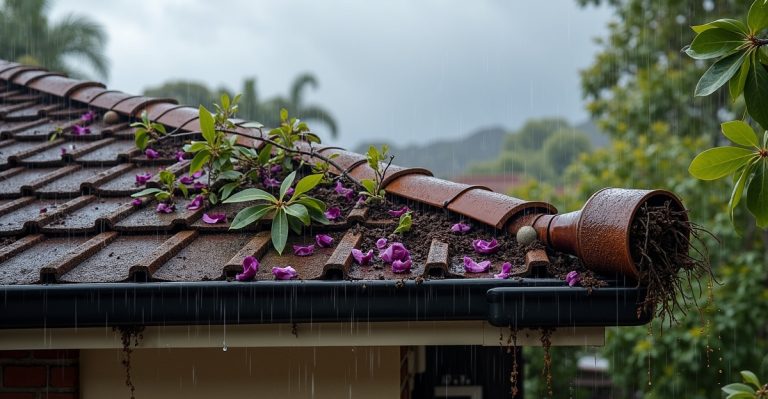
- Water appearing during or after rain
- Leaks near skylights or external vents
In these cases, the problem might be with roof plumbing during upstairs bathroom renovations, or with flashing and drainage systems that weren’t correctly integrated with the new bathroom layout.
At In House Plumbing, we’ve worked with many Sydney homeowners to trace leaks from the rooftop down through renovated bathrooms—using tools like thermal imaging to pinpoint the source without pulling up tiles unnecessarily.
Key takeaway: Most bathroom leaks after a renovation come down to one thing—poor attention to detail. Whether it’s a rushed waterproofing job, incorrect plumbing connections, or missed drainage planning, these are problems that only show up after the tradies have packed up. Taking shortcuts during a renovation often leads to bigger costs later on. That’s why prevention—done right from the start—is always the smarter, safer choice.
How to Prevent Leaks Before, During, and After Your Bathroom Renovation
Preventing leaks after a bathroom renovation starts long before the tiles go down—as highlighted in our Sydney bathroom renovation checklist—and doesn’t stop once the work is done.
Here’s how to protect your investment at every stage with simple, proactive steps that can save you from major headaches down the track.
Hire a Licensed and Experienced Plumber
Your first line of defence against leaks is choosing a licensed plumber with real, local experience—not the cheapest quote off a marketplace site. Licensed professionals are not only trained to meet Australian Standards, but they’re also required to follow NSW plumbing regulations and issue compliance paperwork for their work.
At In House Plumbing, we’ve been helping Sydney homeowners with bathroom upgrades for over 20 years. We provide clear communication, upfront pricing, and a strong focus on long-term quality—not quick fixes. That means no hidden surprises and no cutting corners behind the walls.
Tip: Always ask if your plumber is licensed, insured, and can issue a plumbing compliance certificate. If they hesitate, it’s a red flag.
Ensure Waterproofing Meets NSW Standards
In NSW, waterproofing must be done by a licensed waterproofer, and the work must meet the standards outlined in our NSW waterproofing regulations guide. If waterproofing is done incorrectly or uncertified, your bathroom is at serious risk of water damage—and your insurance may not cover it.
Key areas that must be waterproofed include:
- Shower walls and floors
- Around bathtubs and vanity units
- Junctions between walls and floors
Make sure your builder or waterproofing contractor provides a Certificate of Compliance. It’s not just a formality—it proves the job meets NSW regulations and offers protection if anything goes wrong.
Get a Plumbing Inspection and Compliance Certificate
For full peace of mind, especially in strata or shared buildings, request a plumbing inspection report once rough-ins are complete and again at the final bathroom fit-off checklist stage.
This ensures all plumbing work:
- Meets NSW codes
- Was pressure tested
- Is safe, compliant, and leak-free
You should also receive a plumbing compliance certificate, which documents that the plumbing was done to code and by a licensed professional. This is particularly important for property managers or strata committees, who need records for legal and insurance purposes.
Use Leak Detection Tools During Renovation
Technology is your friend when it comes to preventing future leaks. Leak detection tools like thermal imaging and acoustic sensors can be used during and after a renovation to identify:
- Moisture buildup behind walls or under floors
- Slow leaks around fittings
- Hot or cold water pipe misalignments
These tools allow your plumber to catch problems before they become visible—and before expensive repairs are needed. At In House Plumbing, we use these tools on complex renovations or when clients want extra assurance post-installation.
Schedule Follow-Up Inspections Post-Reno
Once your bathroom renovation is complete, your job isn’t necessarily over. Water-related issues can develop slowly, so we recommend scheduling a follow-up inspection:
- 3–6 months after completion to catch early signs of leaks
- Annually as part of regular home maintenance
This is especially useful in older homes, multi-level properties, or where roof plumbing interacts with bathroom drainage.
Key takeaway: Leak prevention isn’t a one-time fix—it’s a mindset that runs through your whole renovation process. By choosing the right professionals, insisting on waterproofing compliance, using smart detection tools, and keeping up with inspections, you can enjoy your upgraded bathroom with confidence—no damp surprises. If you’re unsure whether your reno was done right, we’re happy to take a look.
Signs of a Hidden Leak After a Bathroom Renovation
Not all leaks announce themselves with dripping taps or puddles on the floor. In fact, the most damaging bathroom leaks are often the ones you can’t see—slowly building up behind tiles, walls, or under floors. Catching these early is key to preventing serious and expensive repairs—use this bathroom leak checklist to identify the most common red flags.
Common Warning Signs to Watch For
Here are some telltale signs that your freshly renovated bathroom might be hiding a leak:
- Musty or damp smells that linger, especially near the vanity or shower
- Bubbling or peeling paint on nearby walls or ceilings
- Discolouration or stains on ceilings below an upstairs bathroom
- Loose tiles or grout that’s cracking or darkening
- Soft or warped skirting boards around bathroom fixtures
- Persistent mould, even with good ventilation
If you’re seeing any of these issues, don’t wait it out. They’re often signs of hidden pipe leaks behind bathroom walls—and the longer they’re left, the worse the damage gets.
Why Early Detection Matters
The problem with hidden leaks is they work silently. You might not notice the damage until it’s soaked into insulation, cabinetry, or your subfloor. At that point, you’re not just dealing with a plumbing fix—you’re looking at repairs to your walls, ceilings, and flooring too.
Even a small, slow leak can:
- Undermine your bathroom’s waterproofing
- Attract termites and mould
- Compromise structural framing
- Lead to insurance headaches if you can’t prove proper renovation work
Early detection allows for quick, targeted repairs—often without needing to rip up tiles or walls. And when caught early, many leaks can be fixed before they cause extensive water damage, especially to ceilings or lower-level rooms in two-storey homes.
Key takeaway: Hidden leaks can undo all the hard work and cost of your renovation if left unchecked. Watch for small signs, trust your instincts, and don’t hesitate to call in a licensed plumber if something doesn’t seem right. We’re happy to investigate and give you peace of mind before it turns into a bigger issue.
What to Do If You Notice a Leak After Renovation
Realising there’s a leak in your newly renovated bathroom can be incredibly stressful—especially if you’re unsure how does home insurance cover plumbing problems in these situations. Whether it’s a slow drip or a sudden wet patch, here’s what you should do to protect your home and avoid further damage.
Shut Off Water if Necessary
If you notice water pooling or an active leak, the first step is to shut off the water supply to the affected area—or your entire home if needed. This helps stop the spread of damage and gives you time to assess the situation safely.
- Locate your main water shut-off valve (usually near the front of the property or under the sink).
- If the leak is isolated to a specific fixture (like a vanity or toilet), use the local isolation valve if available.
Tip: If water is leaking through the ceiling or from behind a wall, turn off water at the main immediately and avoid using the bathroom until it’s been professionally assessed.
Call a Licensed Sydney Plumber ASAP
Even small leaks can signal bigger plumbing or waterproofing issues. The sooner a professional inspects the problem, the better your chances of containing the damage and avoiding costly repairs.
At In House Plumbing, we provide fast-response leak detection and repairs across Sydney, including:
- Post-renovation bathroom leak detection
- Thermal imaging and moisture testing
- Non-invasive inspections to avoid unnecessary damage
We’ve seen firsthand how hidden leaks can spiral into insurance disputes, structural damage, or major repairs if not addressed early. If you’re unsure what’s going on behind the tiles, we’re happy to take a look and give you straight answers.
Document the Issue and Check Your Insurance
Before any repairs begin, it’s important to document the leak and any visible damage. This is especially crucial if:
- The renovation was done by a builder or bathroom contractor
- You live in a strata-managed property
- You plan to claim insurance coverage for renovation damage
Take clear photos and videos, note the date the issue appeared, and keep any communication with your tradespeople or strata manager. Depending on the cause, you may be covered under:
- Your home insurance
- The builder’s workmanship warranty
- Strata insurance (for common property)
- Contractor liability for post-renovation water damage
Important: If your plumber didn’t provide a plumbing compliance certificate or waterproofing certificate, this may affect your ability to claim.
Key takeaway: Leaks after a renovation aren’t just frustrating—they can become expensive if not handled correctly. Shut off the water, call a licensed Sydney plumber like In House Plumbing, and gather the information you need to protect your property and your rights. We’re here to help with fast inspections and honest advice, whenever you need it.
Local Expertise Matters – Why Sydney Homeowners Trust In House Plumbing
When it comes to protecting your home from leaks after a renovation, choosing the right plumber makes all the difference. At In House Plumbing, we’ve spent over 20 years helping Sydney homeowners and property managers get reliable, long-term results—no shortcuts, no jargon, just honest work done right.
We’re fully licensed, insured, and familiar with the NSW plumbing codes and renovation standards that many general tradies and subcontractors overlook. That means we know what waterproofing certifications need to be in place, what local councils expect, and how to spot issues that others often miss.
We’ve earned hundreds of 5-star reviews from customers across the Inner West, North Shore, Eastern Suburbs, and Western Sydney for our clean, respectful service and transparent pricing. Whether it’s a brand-new renovation or a leak that’s caught you off guard, we bring both technical skill and clear communication to every job.
We understand how frustrating it is when something goes wrong after you’ve invested in your home. That’s why we work hard to provide solutions you can trust, backed by local knowledge, licensed workmanship, and long-term support.
Need a trustworthy plumber to inspect your bathroom? We’re happy to help.
Just finished a renovation and something feels off? Call In House Plumbing today.
Conclusion – Long-Term Peace of Mind Through Quality Plumbing
Bathroom renovations should improve your space—not cause hidden headaches down the track. But without the right plumbing, waterproofing, and inspections, even a brand-new bathroom can quickly turn into a costly repair job.
As we’ve covered, the most common causes of post-renovation leaks—like poor waterproofing, incorrect pipe connections, or missed compliance checks—are preventable with the right expertise and attention to detail. By hiring a licensed plumber, ensuring proper waterproofing standards are met, using leak detection tools, and staying on top of inspections, you can safeguard your home (and your budget) for the long haul.
At In House Plumbing, we’re committed to helping Sydney homeowners and property managers avoid these problems before they start. We believe in doing things properly, explaining things clearly, and being there when you need us most.
Not sure if your bathroom renovation was done right? Let us take a look.
Seeing signs of a leak? Our licensed plumbers can help—call In House Plumbing today.
Frequently Asked Questions
Bathroom leaks after a renovation often come down to poor workmanship or skipped steps—like incomplete waterproofing, incorrectly connected pipes, or shower bases not sealed properly. Even if everything looks great on the surface, hidden issues behind walls or under floors can cause leaks to appear weeks or months later.
In NSW, proper waterproofing should be done by a licensed professional and meet Australian Standards (AS 3740). You should receive a waterproofing certificate after the job is completed. Signs that something was missed include musty smells, bubbling paint, or water pooling in the corners. If you’re unsure, a licensed plumber can carry out moisture testing or a visual inspection to check compliance.
In many cases, yes. With non-invasive leak detection tools like thermal imaging or acoustic sensors, we can often pinpoint the source of a leak without damaging your bathroom. Depending on the issue, targeted repairs may be possible without full tile removal.
Liability can depend on several factors, including who did the work, whether they were licensed, and what documentation was provided. If your renovation was completed by a licensed builder or plumber, they may be responsible under warranty. Without proper certificates (like a plumbing compliance certificate NSW), it can be harder to prove responsibility—so keep your paperwork in order.
It depends on the cause. If the leak was due to accidental damage or faulty materials, your insurance might cover repairs. But if the issue stems from non-compliant waterproofing or unlicensed work, your claim may be denied. Always check your policy and work with licensed professionals who can issue the right certificates to protect your coverage.