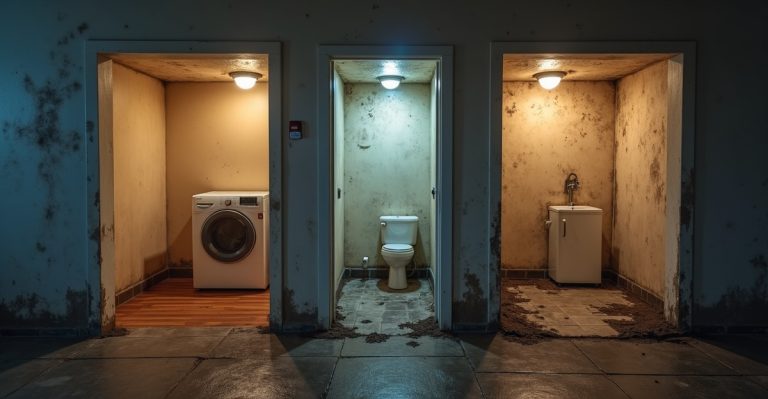
How to Check Water Pressure Before Renovating

Before we start picking tiles or upgrading to that new rain shower, we need to check the water pressure that supports bathroom renovation plans. Getting this step right keeps us clear of weak flows, noisy pipes, and expensive fixes—especially in older Sydney homes, where unexpected plumbing quirks are common.
Key Takeaways
- Optimal bathroom water pressure in NSW stays between 350–500 kPa—anything outside that can lead to trouble.
- We can test pressure at home with a simple gauge or use the bucket fill method over a set time.
- Low pressure might stem from corroded pipes, shared service lines, or aging valves.
- High pressure strains fittings and can call for a pressure-limiting valve.
- A licensed plumber identifies hidden issues early and ensures new fixtures match the existing system before renovation.
Why Water Pressure Could Make or Break Your Bathroom Renovation
Water pressure plays a huge role in how your renovated bathroom performs, especially in older Sydney homes like those in the Inner West or Northern Beaches. Whether you’re installing a rain shower or upgrading to smart tapware, the wrong pressure can ruin your plans.
Install a stunning new mixer, and if your pressure’s too low, you’ll only get a dribble. Too high, and you risk leaks, burst hoses, or cracked fittings down the line. During renovations, we often see:
- Low flow from new water-saving taps
- Pipes knocking or making noise
- Showers fluctuating between hot and cold
The sweet spot for shower pressure in NSW is usually between 350–500 kPa. Below that, performance drops. Above that, your pipes and fittings take a beating.
How to Check Water Pressure at Home (The Safe Way)
You don’t need special tools to start checking. Here’s how we suggest you do it safely:
Two Easy DIY Testing Methods
- Attach a pressure gauge (grab one at Bunnings) to your outdoor garden tap and check the reading.
- Or try the bucket method: fill a 9L bucket and time it. If it fills in under 30 seconds, pressure’s likely solid.
General Tips for Reliable Readings
- Test from a few taps—hot and cold—to spot oddities.
- Do it when nobody else is running water inside.
- Don’t pull apart fittings unless you’ve shut the water off and know what you’re doing.
Not sure if your numbers look right? We’re happy to step in and confirm for you.
What Your Pressure Test Results Actually Mean
If your gauge reads below 300 kPa, you’ve got low pressure. This can come from:
- Corroded galvanised pipes in older homes (think Marrickville or Stanmore)
- Shared water mains in duplexes or units
- Blocked valves or outdated tapware
If you’re over 500–550 kPa, you’re dealing with high pressure. That might mean:
- Your home lacks a pressure-limiting valve
- Local mains have been upgraded (common in places like Kellyville)
- You’re at risk of burst lines and premature tapware damage
Compatibility matters too. Some new showers need a very specific pressure range to work properly. Let a plumber help you figure out if you need upgrades or a regulator.
When It’s Best to Call in a Licensed Plumber
Bring in a professional if:
- Your pressure readings are inconsistent
- You’re on shared plumbing in units or commercial space
- You can hear gurgling or rattling in the walls
- You need valves checked, upgraded or installed
We can also do a full plumbing inspection before your renovation starts, catching things like quiet leaks or poor drainage early.
We’re fully licensed under NSW Fair Trading and back up all work with honest advice and reliable service.
Local Plumbing Factors That Affect Pressure in Sydney Homes
We’ve worked on homes across Sydney, and pressure varies suburb to suburb:
- Older suburbs like Ashfield or Hornsby often have aging pipes
- Sloping areas like Balmain or Hunters Hill can lose pressure due to gravity
- Water-saving laws in NSW mean your fixtures must be compliant and pressure-compatible
If you’re renovating in a strata unit or commercial building, you might need to check off some compliance boxes first. Sorting that now saves a ton of hassle later.
Your Pre-Renovation Plumbing Checklist
Before you start ripping out tiles or installing that fancy new vanity, tick these off:
- Check water pressure at a few taps
- Confirm your tapware works within your pressure range (especially if you’re upgrading old fixtures)
- Look for old or rusty pipes
- Make sure your hot water system is up for the job
- Book a plumbing inspection if you’re unsure
Need help figuring out if your pressure’s right? Give us a call before demo day or book online. We’ll make sure your bathroom upgrade goes smoothly from the ground up.