What Happens to Drainage When You Move a Toilet?

Thinking about how to change toilet position in bathroom to improve layout or flow? Before you grab the tape measure, it’s worth understanding what actually happens to the drainage system when you move toilet plumbing drainage. Even a small change in position can affect how wastewater flows, how the pipes connect, and whether your setup stays compliant with NSW plumbing codes.
In this guide, we’ll break down everything homeowners in Sydney need to know — from how toilet drainage works and what changes during relocation, to the costs, permits, and waterproofing steps involved. You’ll also learn why getting a licensed plumber to handle the job can save you time, money, and stress down the track.
Here’s what we’ll cover:
- Understanding How Toilet Drainage Works
- What Happens When You Move a Toilet
- How Much Does It Cost to Move a Toilet in Sydney?
- Do You Need Approval or Permits to Move a Toilet?
- Waterproofing and Finishing After Toilet Relocation
- Can You Move a Toilet Yourself? (DIY vs Licensed Plumber)
- Conclusion – Making the Right Move for Your Bathroom
Whether you’re planning a full bathroom renovation or just reworking your layout, this article will help you make informed decisions and avoid costly plumbing mistakes.
Let’s start by looking at how toilet drainage actually works — and why it matters when you move it.
Understanding How Toilet Drainage Works
Before you think about moving your toilet, it helps to understand how your bathroom’s drainage system actually works—and why choosing the right pipes for bathroom drainage plays a big role in long-term performance.
The toilet plumbing and drainage setup in your home is designed with precise angles and pipe connections to make sure waste and water flow away efficiently — and even small changes to this layout can affect how well it works.
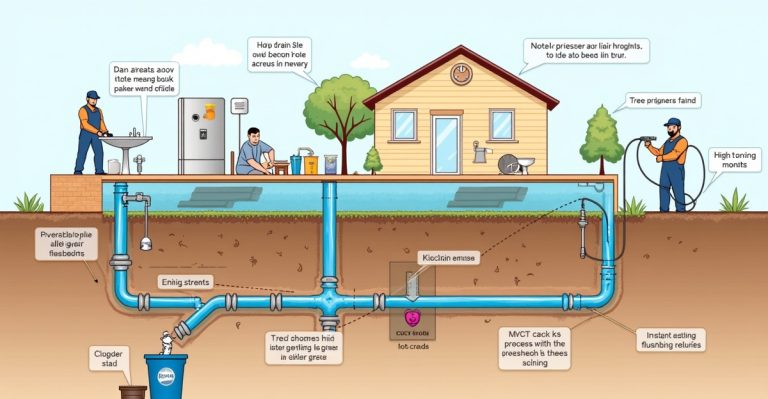
How a Toilet Connects to the Main Sewer Line
Every toilet in Sydney homes connects to a larger network of pipes that lead to the main sewer line beneath your property. When you flush, wastewater travels through a short curved pipe (called the trap) and into a larger waste pipe hidden under the floor. From there, it flows down through a system of pipes that carry it to the council’s sewer connection point.
The most important part of this setup is the “drainage fall” — that’s the gradual slope of the waste pipe that allows gravity to do its job. If the pipe is too flat, waste won’t move properly and can cause blockages. If the slope is too steep, water rushes away too fast, leaving solids behind. Licensed plumbers in NSW follow strict drainage gradient and fall requirements to ensure the perfect balance.
Think of it like a water slide: too flat and nothing moves, too steep and things get stuck halfway down.
The Role of Venting and Floor Waste in Drainage Performance
Toilets don’t just rely on pipes to drain — they also need air. This is where venting comes in. Vent pipes allow air to flow through the system, preventing pressure build-up and helping waste move smoothly (a principle explained in standard guides on sanitary plumbing and vents). Without proper venting, you might hear strange gurgling sounds or even notice slow flushing.
In many Sydney bathrooms, there’s also a floor waste drain — that small grate you see on the floor. It’s connected to the drainage system and helps release excess water from cleaning or leaks. Together, these elements meet NSW’s floor waste and venting requirements for toilets, keeping your bathroom safe, odour-free, and compliant.
Why Proper Drainage Slope Prevents Blockages and Odours
When the drainage slope and venting are installed correctly, everything works as it should — waste flows freely, pipes stay clear, and no sewer smells sneak into your bathroom. But if the slope is off by even a few millimetres per metre, or the venting is blocked, you can end up with recurring clogs, slow drainage, or unpleasant odours.
At In House Plumbing, we often see this in older homes across Kellyville, Glenwood, and Quakers Hill where past renovations didn’t follow proper toilet waste line layout standards. Fixing the gradient or reconfiguring the waste pipe usually resolves the issue for good—especially when Sydney blocked drain issues during renovations are involved.
Key Takeaway: Your toilet’s drainage isn’t just a simple pipe — it’s a carefully balanced system that relies on gravity, air pressure, and correct design to work properly. Understanding how it functions helps you see why moving toilet plumbing and drainage isn’t a quick DIY fix — it’s a job that needs professional planning to ensure smooth flow, no smells, and long-term reliability.
What Happens When You Move a Toilet
When you decide to move a toilet, you’re not just shifting a fixture — you’re altering part of your home’s plumbing and drainage system. Even moving it a short distance means the waste pipe, drainage fall, and venting all need to be carefully adjusted to maintain proper flow and meet NSW plumbing standards.
This process involves more than just connecting a new pipe. It requires precise planning, compliance with the plumbing code AS/NZS 3500 and adherence to NSW plumbing design regulations to ensure your drainage system works as intended.
Let’s break down what’s actually involved when relocating your toilet.
Moving a Toilet on a Concrete Slab vs. Timber Floor
How easy (or complex) the job is depends largely on the type of floor your bathroom has:
Concrete slab floors – In many Sydney homes, especially in suburbs like Glenwood or Kellyville, toilets are installed on concrete slabs. Moving a toilet here means core drilling through the slab, re-routing the waste pipe underneath, and repairing the concrete afterwards. This process must be handled carefully to avoid damaging the waterproof membrane below the surface.
- A licensed plumber may also need to coordinate with a concreter or tiler to reseal and retile the area once the plumbing is adjusted.
- This is where concrete slab core drilling and repair comes in — ensuring the slab remains strong and watertight once the drainage has been reworked.
- Timber floors or raised foundations – If your bathroom sits on timber flooring or a raised subfloor, moving the toilet is generally easier. Plumbers can access the waste pipes from below, adjust the direction or slope, and reconnect it to the main line without breaking into concrete.
While both types of flooring require precision, slab floors tend to be more time-consuming and costly to modify.
Adjusting Drainage Gradient and Venting
Whenever a toilet is moved, the drainage gradient — that subtle slope that allows wastewater to flow downhill — needs to be recalculated.
If the toilet is moved further away from the main waste stack or sewer connection, the pipe must be re-laid at the correct angle to maintain proper flow.
A professional plumber will:
- Measure the new location and determine the exact fall requirement (usually a few millimetres per metre).
- Extend or redirect vent pipes to maintain consistent airflow through the system.
- Check that new pipe joints and seals comply with AS/NZS 3500 to prevent future leaks or backflow issues.
Proper venting also prevents air locks and gurgling — two common signs that the system isn’t breathing properly after a DIY relocation.
What Happens if Drainage Isn’t Correctly Adjusted
If the new waste line isn’t correctly sloped or vented, you could end up with:
- Slow flushing or frequent blockages, as waste gets trapped in flat sections of the pipe.
- Gurgling sounds from the toilet or nearby drains, caused by poor venting.
- Leaks under the floor that go unnoticed until damage spreads to walls or ceilings below.
- Unpleasant odours, when sewer gases escape due to incorrect sealing or pressure balance.
We often see this in DIY renovations or low-cost jobs where the proper gradient wasn’t maintained. For example, in a recent Kellyville renovation, a homeowner moved their toilet roughly one metre without adjusting the fall — leading to slow drainage and recurring blockages within weeks. Once our team re-sloped the waste line and reconnected the vent, everything flowed perfectly again.
Licensed Plumber Toilet Relocation – Why It Matters
Under NSW regulations, you must hire a licensed plumber to relocate toilet systems and ensure compliance.. This ensures your new setup:
- Meets the bathroom plumbing design and regulations NSW standards.
- Passes inspection under the plumbing code AS/NZS 3500 compliance.
- Includes correct waterproofing and certification once the job is complete.
A licensed plumber will also provide a compliance certificate — proof that your plumbing work was done safely and legally. This not only protects you from fines or insurance issues but also helps you understand how does home insurance cover plumbing problems in case damage occurs later.
Key Takeaway: Moving a toilet might look simple on the surface, but beneath the floor, it’s a complex balance of slope, venting, and compliance. Whether you’re renovating a bathroom in Glenwood, upgrading a shopfront in Quakers Hill, or planning a full remodel in Kellyville, getting it right the first time saves you from expensive repairs later.
How Much Does It Cost to Move a Toilet in Sydney?
One of the first questions most homeowners ask when planning a bathroom layout change is: “How much does it cost to move a toilet?”
The truth is, toilet drain relocation Sydney costs can vary quite a bit depending on your home’s layout, the type of floor, and how far the toilet needs to be moved. While every job is unique, understanding what drives the price helps you plan your renovation with confidence — and avoid any unwanted surprises later on.
Average Cost Breakdown (Labour, Materials, Waterproofing)
In Sydney, you can expect the cost to move a toilet 1 metre to include several components, not just labour. Here’s a general idea of what’s involved:
- Labour: Licensed plumbers usually charge an hourly rate — the plumber cost per hour in Sydney typically ranges depending on experience, job complexity, and time of day (after-hours or weekend work may cost more).
- Materials: PVC pipes, connectors, seals, and vent fittings are standard, but concrete cutting or slab repair can add to the cost.
- Waterproofing: After the drainage is moved, new waterproofing and tiling are required to reseal the area. In some cases, you’ll also need a waterproofing certificate after toilet move to stay compliant.
- Compliance & Inspection: NSW regulations require plumbing work to comply with AS/NZS 3500 and Sydney Water plumbing compliance certificates may be issued for larger remodels.
While we don’t publish fixed prices (because every home and floor type is different), most Sydney homeowners fall within a predictable range depending on the factors below.
Factors That Affect the Final Cost
Several things can influence how much your toilet relocation ends up costing:
Distance Moved:
- The further you move the toilet from its original waste line, the more pipework and re-sloping are required.
- For small shifts (less than a metre), changes are minimal. But moving across the room or swapping layout positions can significantly increase costs.
Type of Floor:
- Homes built on concrete slabs (common in Glenwood and Kellyville) often require core drilling and slab repair, which adds time and materials.
- Timber or raised floors are easier and faster to work with since the pipes can be accessed from underneath.
Access & Bathroom Size:
- Tight spaces, multi-storey homes, or older properties with limited crawl space may take longer to complete.
Permits and Inspections:
- Major bathroom remodels or commercial properties (like cafes or salons) may need a drainage plan update for council submission or inspection under local building codes.
Additional Fixtures:
- If you’re moving other drains — such as the shower or vanity — alongside the toilet, your plumber can often rework them together for efficiency.
Post-Work Restoration:
- Costs for tiling, concrete patching, and finishing should also be included in your budget.
At In House Plumbing, we provide upfront quotes with no hidden fees, so you’ll know exactly what you’re paying for before work begins. Transparency is a big part of how we’ve built long-term trust with homeowners across northwest Sydney.
Why DIY Often Costs More Long-Term
It’s tempting to think moving a toilet might be a quick weekend DIY project — especially if it’s “just a small shift.” Unfortunately, that mindset often leads to costly mistakes.
Here’s why DIY toilet relocation usually ends up being more expensive in the long run:
- Incorrect Drainage Fall: Even a small slope miscalculation can lead to slow flushing or frequent blockages.
- Non-Compliance Fines: NSW law requires plumbing work to be completed by a licensed plumber. Doing it yourself can void warranties and result in penalties if the job fails inspection.
- Hidden Leaks: Poor seals or connections can cause slow leaks under the floor, leading to rot, mould, or expensive structural repairs.
As one example, we recently helped a homeowner in Quakers Hill who attempted a DIY toilet relocation to save money. The waste pipe was installed too flat, and within weeks the bathroom had a persistent sewer smell. Our team re-sloped the pipe, re-sealed the floor, and issued a compliance certificate — restoring proper function and peace of mind.
Key Takeaway: The toilet rough-in relocation cost in NSW depends on your specific home and renovation plan, but the biggest cost difference comes from doing it right the first time. Working with a licensed plumber ensures your drainage slope, waterproofing, and compliance are handled correctly — saving you stress, money, and future repairs.
Do You Need Approval or Permits to Move a Toilet?
When it comes to plumbing work in Sydney, many homeowners are unsure whether moving a toilet requires formal approval. The short answer: yes, in most cases, you do need compliance documentation or permits — especially if the job involves new drainage connections or structural changes.
Understanding what’s required under NSW regulations can save you a lot of time, money, and stress. Here’s what you need to know about council approval, Sydney Water certification, and compliance under the plumbing code AS/NZS 3500 — and how In House Plumbing helps handle it all for you.
When You Need Council or Strata Approval in NSW
If your bathroom renovation involves changing the location of fixtures (like a toilet, shower, or vanity), you’ll likely need approval because it affects the home’s drainage and waterproofing design.
You’ll usually need a building permit or strata approval for bathroom renovation when:
- You’re moving plumbing fixtures such as toilets, baths, or sinks to a new location.
- The work involves cutting into or modifying a concrete slab.
- The renovation is part of a structural or layout change.
- You live in a townhouse, duplex, or apartment where common plumbing lines are shared.
For strata properties, your plumber may also need to provide documentation showing that the work won’t impact other units. At In House Plumbing, we’ve worked with many strata managers across suburbs like Kellyville, Glenwood, and Quakers Hill, ensuring all approvals and reports are submitted correctly before starting work.
Compliance Certificates and Inspection Requirements
In NSW, all plumbing work — including toilet relocations — must meet strict standards under the AS/NZS 3500 Plumbing and Drainage Code. After completing the job, your plumber will provide a Sydney Water plumbing compliance certificate, which proves the work was carried out legally and to code.
Here’s how the process typically works:
- Drainage plan update: If new pipework or drainage lines are added, your plumber may submit a drainage plan update for council submission to reflect the new layout.
- Inspection (if required): Larger or structural plumbing changes may be inspected by Sydney Water or a council representative before the final sign-off.
- Certificate of compliance: Once approved, your plumber issues this document to you — it’s your proof of quality workmanship and legal compliance.
This certificate is not just paperwork — it’s important for your insurance coverage, property value, and long-term peace of mind. If any plumbing issue arises in the future, you’ll have documented proof that your system was installed correctly by a licensed professional.
Why Following AS/NZS 3500 Protects You from Future Issues
The AS/NZS 3500 standard covers everything from drainage fall and venting to waterproofing and pipe materials. Following it ensures your bathroom meets safety and performance requirements — protecting your home from leaks, odours, or water damage.
Skipping compliance or hiring an unlicensed plumber can lead to:
- Fines or council orders to redo non-compliant work.
- Voided insurance claims if leaks cause property damage.
- Costly repairs down the track from poor drainage or waterproofing.
At In House Plumbing, every job we complete is fully certified and compliant with Sydney Water and NSW plumbing regulations. We take care of the documentation, inspection scheduling, and final certificates — so you don’t have to chase paperwork or worry about legal details.
Key Takeaway: While it may seem like extra admin, getting approval and compliance certificates is essential when you move a toilet. It ensures your plumbing system stays safe, efficient, and fully covered by insurance.
Waterproofing and Finishing After Toilet Relocation
Once your toilet has been successfully moved and the new drainage line installed, the job isn’t quite finished yet. The next crucial step is waterproofing and finishing, which ensures your bathroom remains watertight, hygienic, and compliant with NSW standards.
Many homeowners focus on the plumbing side of a renovation and forget that waterproofing and tiling after toilet relocation are just as important—and whether you’re DIYing or hiring a professional can make all the difference in preventing future damage.
Done properly, these final steps prevent moisture damage, mould, and leaks — keeping your bathroom looking great and performing well for years to come.
Why Proper Waterproofing Prevents Future Leaks
Every time a pipe is moved, floor tiles are lifted or a concrete slab is drilled, the original waterproof membrane beneath the surface is disturbed. That membrane is what protects your subfloor and walls from hidden water damage.
After the new toilet drain is installed, the area around the pipe penetration needs to be patched, sealed, and re-waterproofed before any tiling begins. A professional plumber or licensed waterproofer applies recommended waterproof membranes that form a durable, protective barrier once cured.
This process ensures your bathroom meets the standards outlined in the AS/NZS 3500 and NSW Building Code — both of which require certified waterproofing for wet areas. Once complete, you’ll receive a waterproofing certificate after toilet move, which confirms the work meets Australian standards.
Without this step, even a small leak under the floor can slowly spread, causing rot, mildew, and structural damage that may cost thousands to repair later.
What Happens During the Finishing Process
Here’s a basic overview of how to move a toilet drain pipe once the plumbing work is complete:
- Patching the Floor or Slab – Any holes from the old toilet location or concrete slab core drilling and repair are filled and sealed.
- Waterproofing Application – The area around the new waste pipe and floor junctions is re-coated with membrane to prevent moisture intrusion.
- Drainage Testing – Your plumber will test the new waste connection and flush flow to ensure the drainage fall and venting are working perfectly.
- Tiling and Sealing – Tiles are reinstalled or replaced, and all joints are sealed with silicone or grout to finish the surface neatly.
- Final Inspection and Certification – A qualified tradesperson checks everything for compliance and issues the relevant waterproofing certificate.
These finishing steps not only restore your bathroom’s appearance but also protect its long-term integrity. It’s part of what makes a professional toilet relocation different from a quick DIY fix.
Common Mistakes in DIY Bathroom Waterproofing
DIY waterproofing is one of the most common reasons we get called back to fix post-renovation leaks. Some of the mistakes we often see include:
- Applying a thin or uneven waterproof membrane.
- Failing to seal around the new toilet waste pipe correctly.
- Using non-compliant waterproofing products not rated for bathrooms.
- Skipping re-waterproofing altogether after moving a toilet.
In a recent Glenwood bathroom renovation, a homeowner reused old waterproofing after shifting the toilet by 80cm. Within weeks, moisture had seeped through the grout lines, damaging the subfloor. Our team had to remove the tiles, reapply the waterproof membrane, and reinstall the toilet — a job that could’ve been avoided with proper finishing the first time.
Key Takeaway: Proper waterproofing and tiling after toilet relocation aren’t optional — they’re essential. These steps protect your home from leaks, ensure compliance, and complete the job to a professional standard.
Can You Move a Toilet Yourself? (DIY vs Licensed Plumber)
If you’ve ever tackled a DIY project at home, you might be wondering — can I move a toilet myself? On the surface, it seems simple enough: shift the fixture, connect a new pipe, seal it up, and you’re done. But in reality, toilet relocation involves complex drainage design, strict NSW compliance rules, and waterproofing requirements that make it far more technical than it looks.
Here’s why this is one job best left to a licensed plumber for toilet relocation — and what can go wrong when it’s not done professionally.
DIY Limitations and Hidden Costs
Many homeowners start a toilet relocation project to save money, only to find it costs more to fix later.
The most common DIY pitfalls include:
- Incorrect drainage slope: Without the right fall, waste doesn’t flow properly, leading to blockages and gurgling sounds.
- Hidden leaks: A poorly sealed joint or cracked fitting can cause slow leaks under the floor, damaging tiles and subflooring.
- Non-compliant waterproofing: If the waterproof membrane isn’t reapplied correctly, moisture can creep into walls and cause mould or rot.
- Unapproved work: NSW law requires all plumbing and drainage work to be completed by a licensed plumber — DIY jobs can fail inspection or void insurance coverage.
At In House Plumbing, we often get called in to repair DIY relocations that didn’t go to plan. In one case, a homeowner in Kellyville Ridge moved their toilet about one metre without adjusting the drainage fall. Within a few weeks, water was backing up and the bathroom floor had started to lift. Fixing it meant replacing the waste pipe and re-waterproofing the entire floor — a much bigger cost than hiring a plumber from the start.
Why NSW Requires Licensed Plumbers for Drainage Work
Under NSW regulations and the AS/NZS 3500 Plumbing Code, only licensed plumbers can legally install, alter, or relocate drainage systems. That’s because these systems affect your home’s hygiene, structure, and connection to Sydney Water’s main sewer line.
Licensed plumbers are trained to:
- Calculate and maintain the correct drainage gradient and venting.
- Use approved materials and fittings that meet NSW plumbing design and regulations.
- Protect waterproofing membranes and structural elements during installation.
- Provide a Sydney Water plumbing compliance certificate once the job is complete.
These certifications not only prove the work is safe and compliant, but they’re also essential if you ever sell your home or make an insurance claim.
How a Professional Ensures Compliance and Lasting Results
When you hire a licensed plumber, you’re getting more than just installation — you’re getting peace of mind that everything below the surface is designed to last.
At In House Plumbing, our process typically includes:
- Assessing the layout to determine the best relocation point without disrupting the existing drainage system.
- Checking gradient and venting to maintain proper flow and prevent future blockages.
- Coordinating waterproofing and tiling with trusted local trades to ensure full compliance and finish.
- Testing and certifying the system, so you have a record of approved work under NSW plumbing standards.
We also take the time to explain the process clearly, provide transparent quotes, and leave every site clean and tidy — because good plumbing should make your life easier, not more stressful.
Key Takeaway: While it might be tempting to try moving your toilet yourself, the risks far outweigh the short-term savings. Drainage and waterproofing mistakes can quickly turn into costly repairs — sometimes requiring blocked toilet emergency services to resolve sudden backups or overflows.
Conclusion – Making the Right Move for Your Bathroom
Relocating a toilet might sound like a small change, but as you’ve seen, it affects some of the most important parts of your home’s plumbing system. From drainage slope and venting to waterproofing and compliance, every step needs to be done correctly to keep your bathroom safe, hygienic, and built to last.
Whether your goal is to open up more floor space, modernize your layout, or you’re moving toilet plumbing for renovation, the key is planning and professional execution.. A licensed plumber ensures your new setup meets AS/NZS 3500 standards, stays compliant with Sydney Water regulations, and avoids the hidden costs that come from DIY mistakes or non-compliant work.
At In House Plumbing, we take pride in delivering transparent, high-quality plumbing services across northwest Sydney — from Glenwood to Kellyville, Quakers Hill, and surrounding suburbs. Every project we complete is carefully planned, clearly communicated, and finished to the highest standard, so you can enjoy a bathroom that looks great and functions flawlessly.
If you’re considering a layout change or bathroom upgrade, we’d be glad to help.
Not sure if your bathroom layout allows for a toilet move? We’re happy to assess your drainage and provide honest, upfront advice — no pressure, no hidden surprises.
Your bathroom deserves the right flow — and we’ll make sure it gets there.
Frequently Asked Questions About Moving a Toilet
It depends on what type of floor your bathroom has.
If your home is built on timber flooring or a raised foundation, moving a toilet is often simpler — plumbers can access the waste pipes from underneath the floor to reroute them without breaking through concrete.
However, if your bathroom is on a concrete slab (common in many Sydney homes), the job usually requires core drilling through the slab to adjust the waste pipe location. Afterward, the area is repaired, sealed, and re-waterproofed to maintain the slab’s strength and compliance.
A licensed plumber will assess your bathroom layout first to determine which approach is best, ensuring minimal disruption and a clean, watertight finish.
The cost to move a toilet in Sydney varies depending on how far it’s moved, the type of flooring, and whether any council approvals or waterproofing are needed.
Small relocations (for example, moving a toilet 1 metre) are generally less complex than full layout changes, but slab work and re-tiling can add to the price. To help you plan accurately, we offer a detailed toilet plumbing move cost estimate that includes labour, materials, and waterproofing — with no hidden fees.
You can learn more about pricing factors in our “How Much Does It Cost to Move a Toilet in Sydney?” section above.
It can be challenging, and the cost to move toilet plumbing in slab depends on the depth, slab thickness, and access, but an experienced plumber will know exactly how to handle it safely.
In a slab home, moving the toilet involves concrete slab core drilling and repair to reach the waste line beneath the floor. The existing drainage is rerouted or extended, then reconnected at the correct drainage gradient and fall requirements to ensure proper flow.
Once the pipework is adjusted, the slab is patched, sealed, and waterproofed before tiling — so your bathroom looks seamless once finished.
Trying to do this as a DIY job can lead to costly structural or drainage issues, so it’s best left to a licensed professional.
In most cases, yes — especially if your renovation changes the plumbing layout or involves shared lines in a unit or strata property.
You may need a building permit or strata approval for bathroom renovation, and your plumber will issue a Sydney Water plumbing compliance certificate once the work is complete.
If the new pipework layout affects the main sewer line, your plumber may also need to submit a drainage plan update for council submission.
At In House Plumbing, we manage these approvals and certificates for you, so your project stays compliant with NSW building and plumbing codes from start to finish.
Not if it’s done correctly.
When a toilet is relocated, the drainage slope (fall) and venting need to be adjusted to maintain smooth water flow and prevent blockages or odours. Licensed plumbers follow the AS/NZS 3500 plumbing standards to make sure everything drains properly.
If the gradient isn’t set right — a common mistake in DIY relocations — you can end up with slow flushing, leaks, or sewer smells. Professional installation ensures your system stays balanced, efficient, and long-lasting.