How to Add a Second Bathroom Without Major Plumbing Work

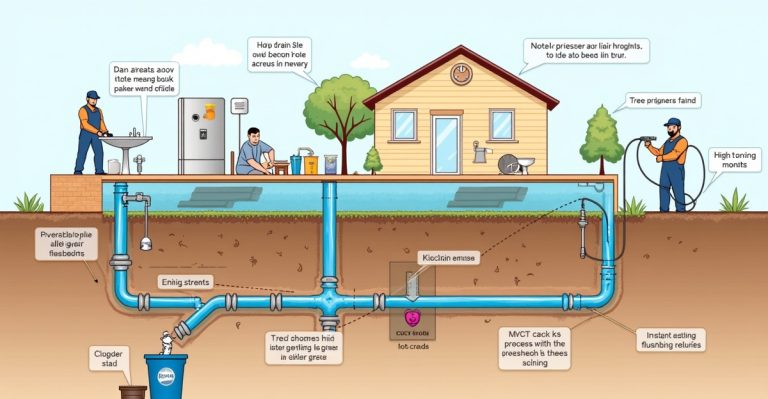
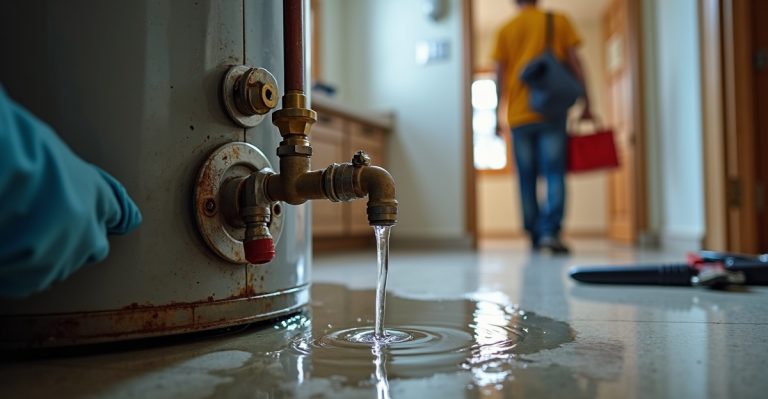
Adding a second bathroom doesn’t always call for demolition or extensive work—especially when we plan around current plumbing lines. Across many Sydney homes, we can set up second bathroom plumbing quickly and affordably by positioning it near laundry rooms or kitchens and using above-floor plumbing systems.
Key Takeaways
- Placing the new bathroom close to existing water and drain lines cuts down on plumbing changes.
- Above-floor systems like macerators and pump-based drainage let us avoid cutting into the slab.
- Smart locations include under the stairs, inside walk-in wardrobes, or beside laundries and current bathrooms.
- Before starting, confirm access to water, power, airflow, and check council guidelines under NSW rules.
- Licensed plumbers can review the space and recommend the most cost-effective setup to suit the layout.
Can You Really Add a Second Bathroom Without a Massive Renovation?
You absolutely can—especially in many older Sydney homes where there’s often more flexibility than you’d think. We’ve worked on plenty of homes across NSW where a second bathroom went in with minimal disruption. The key? Use what’s already there.
If your planned bathroom is close to a laundry, kitchen, or existing bathroom, you’re already halfway there. These “wet areas” often share access to water lines and drainage, which makes them prime spots for bathroom additions.
It’s all about planning around your existing layout. A licensed plumber can help you assess what’s possible, what’s practical, and what’ll save you cash. That means designing around plumbing—not against it.
Need help visualising how it all comes together? Check out this rundown on how to plan plumbing for a bathroom renovation.
Low-Impact Solutions: Smart Options That Don’t Break the Floor (or the Bank)
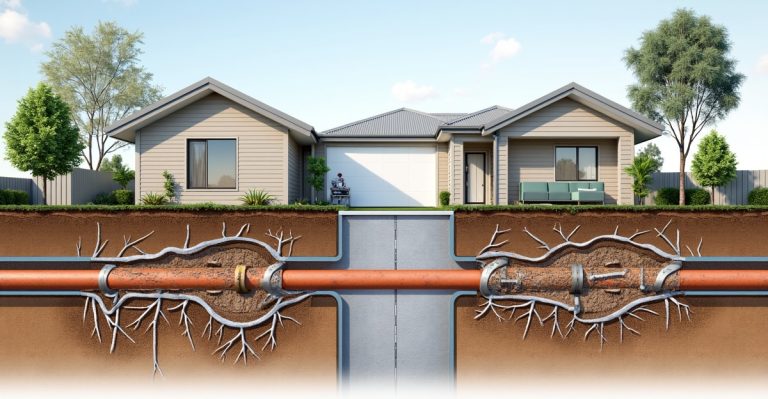
If digging through concrete isn’t an option—or the budget’s tight—there are clever ways to install plumbing above the floor. These systems are ideal for tight spots or places where gravity drainage isn’t possible.
Popular Above-Floor Bathroom Options
- Macerator toilets: Think of these as compact waste blenders with built-in pumps. They handle waste and pump it out through small-diameter pipes.
- Pump-assisted drainage systems: These help move greywater against gravity—great if your space is lower than the main drain line.
- Prefab bathroom pods: Fully contained units that drop into place, perfect for home offices, extensions or converted garages.
We’ve installed a powder room under the stairs of a classic Marrickville terrace using a Saniflo macerator. Zero jackhammering involved, and the client was ready to paint by the weekend.
There are some trade-offs—macerators can be a bit noisy and need power access. But they solve a lot of headaches if you’re short on plumbing access.
Need a hand figuring it out? Have a look at our toilet installation options and we’ll walk you through what’ll work best.
Picking the Best Spot: Layout Tips That Make Plumbing Easier
Where you put your new bathroom matters. Choosing a location close to existing water and drain lines is the best way to avoid major plumbing work.
Popular second bathroom spots in NSW homes include:
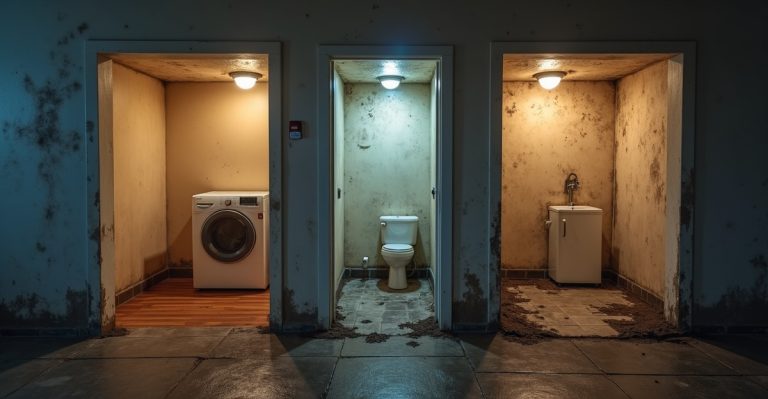
- Adjacent to the laundry
- Next to or behind an existing bathroom (sharing a “wet wall”)
- Unused walk-in wardrobes
- Under the stairs
- Hallway nooks or back-of-house storage areas
“Wet wall” basically means a wall that already has plumbing inside it. Build next to one and you’ll likely save on both time and labour.
For more layout planning help, take a look at these common plumbing mistakes to dodge during bathroom upgrades.
What You’ll Need to Check Before You Begin
Before jumping in, make sure your space ticks a few key boxes. Here’s what to look for:
- Is there nearby access to water supply and drainage?
- Is your floor above the mains or basement level?
- Will the system have reliable power if needed for pumps?
- Is there enough ventilation—either natural or mechanical?
- Do local council rules allow changes in that area?
If these line up, you’re in good shape. We offer free site inspections across Sydney—a quick visit can confirm what’s possible and flag any red flags early on.
Wondering about pricing? Understanding hidden plumbing costs ahead of time is a smart move.
NSW Rules You’ve Got to Know: Council and Compliance Made Simple
Here’s the deal: if you’re changing plumbing layout, relocating fixtures, or adding services to a new part of the house—yes, you’ll likely need approval.
NSW Fair Trading requires licensed plumbing work to be carried out by qualified trades. You might need a DA (Development Application) or CDC (Complying Development Certificate) depending on your plan.
Here’s a basic approval checklist:
- Confirm zoning and building guidelines
- Apply for CDC or DA (based on your council area)
- Use licensed professionals only
- Request an inspection upon project completion
Following the rules now means fewer surprises later—especially during home sales or property valuations. For more support, our Sydney bathroom renovation team can walk you through every step.
Real Sydney Examples (and How to Get Started Without Stress)
We’ve seen second bathrooms go into all sorts of spots—without digging up half the house.
A client in Ryde turned the dead space beside their laundry into a sleek powder room using pump-assisted drainage. Tiled, plumbed, and painted in under a week.
And a Surry Hills café needed a staff-only toilet in the storeroom. We supplied and installed a compact macerator unit and hand basin—no floor cutting, no fuss.
Upgrading your setup? Have a read through on what to know before moving your shower or bath.
Not sure if your home’s right for it? We’re happy to pop by and check. Our crew has worked across all Sydney suburbs, from the Northern Beaches to the Inner West.
Get in touch with your second bathroom plumber in Sydney—let’s chat about what’s possible in your home.