Why You Should Replace Old Taps During a Renovation

Replacing old taps during a bathroom upgrade makes sense beyond just appearance. It saves water, lowers bills, and protects plumbing systems for the long haul. In places like Bondi apartments or Sydney cafés, worn fittings often hide bigger issues. Ignoring them during a renovation can lead to expensive repairs down the line.
Key Takeaways
- Leaky or rusted taps can waste up to 20,000 litres of water per year in NSW, quickly driving up Sydney Water bills.
- Old tapware often covers up larger problems like corrosion, low pressure, or hidden wall damage.
- New taps use water more efficiently, stay cleaner, and are easier for families, older users, and businesses to operate.
- Meeting plumbing codes is essential for commercial sites and rental property updates across NSW.
- Swapping taps while walls are already open during renovation saves money and avoids future disruptions.
How Replacing Old Taps Can Save You Money and Headaches Down the Line
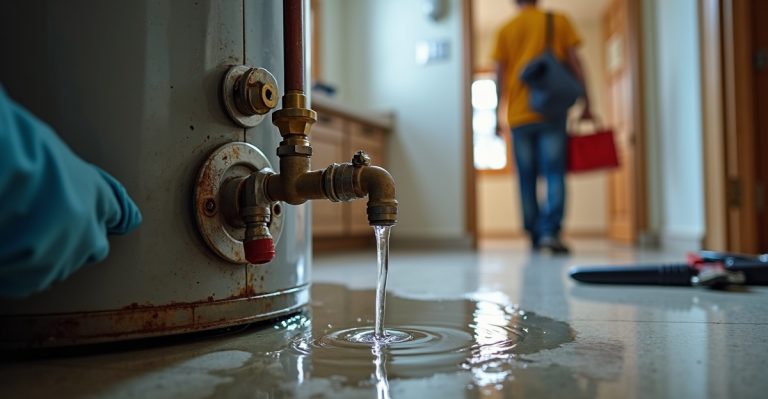
Old taps often get overlooked during a renovation, but those aging fixtures can silently drain your wallet and wreck your plumbing. A dripping or leaking tap doesn’t just waste water—it can signal deeper problems behind the walls. In NSW alone, one leaking tap could waste up to 20,000 litres of water a year. That’s money down the drain, especially if you’re on Sydney Water’s tiered pricing.
We’ve seen it firsthand—from quiet leaks in Bondi unit blocks to rusted taps in Parramatta homes causing pressure issues. For businesses, it’s even riskier. Clinics and restaurants can lose their hygiene certification if taps aren’t up to spec. Updating your taps during a renovation is a smart move—for your budget, for your plumbing, and for peace of mind.
Signs Your Taps Are On Their Last Legs
Spotting early warning signs can save you big cash down the track. Here’s what to watch for during your reno.
Common red flags your taps need replacing:
- Leaks, no matter how minor
- Rust or green scaling around joints
- Wobbling taps or loose handles
- Cracking noises or stiffness when turning
- Fluctuating water pressure or temperatures
These issues might seem cosmetic, but they often mean corrosion or buildup inside the tap or pipes. At one Marrickville property, a cracked fixture caused slow leaks behind the vanity unit. The mould cleanup was more expensive than replacing the taps would’ve been during the original renovation.
If you’re unsure whether to replace or repair, this quick guide can help you decide: Leaky Tap: DIY Fix or Call a Plumber?
Today’s Tapware: Smarter, Safer, and Easier to Live With
Modern tapware isn’t just about style—it makes life easier too. Whether it’s for your family home or a busy business, the benefits of new bathroom tapware are clear.
Water-saving taps with WELS ratings can cut your water use by up to 40%. Many mixer taps now feature ceramic disc internals, which last longer and rarely leak. If you’ve got kids, elderly parents, or a busy kitchen, easy-turn or hands-free options make daily life simpler.
Some of our favourite upgrades include:
- Touchless taps in commercial bathrooms and salons
- Matte black finishes for easier maintenance
- Brushed nickel taps that resist fingerprints and water marks
In one Penrith salon, we installed new high-efficiency tapware that slashed their water bills—without compromising on flow. It’s a great example of how you can upgrade bathroom fixtures with functionality and style.
Avoid Compliance Headaches: Why Modern Taps Matter
If you’re reno’ing a commercial space or investment property, compliance isn’t optional. Outdated taps can fall short of requirements under the Australian Plumbing Code or NSW health and council standards.
We’ve worked with strata plumbing across Sydney buildings, helping owners stay compliant with backflow prevention, approved tapware, and pressure limitation systems. This is crucial for spaces like cafés, medical rooms, and gyms, where tapware must meet hygiene and efficiency regulations.
Our team has supported many commercial bathroom renovation plumbing projects—from tap replacements in Newtown eateries to full upgrades in Maroubra apartment complexes.
Need help navigating standards? A licensed plumber will make sure all your new fixtures are up to code, keeping you clear of fines or failed inspections.
Tap Replacement Costs: What to Expect
Tap replacement costs vary depending on the tap type and what’s hiding behind your bathroom walls. Here’s a ballpark guide based on recent jobs we’ve completed around Sydney:
- Basic tap swaps: $120–$250 (parts and labour included)
- Mixer tap or wall-mounted replacements: $250–$450
- Full pipework and fitting upgrades: $600+, especially if wall access is tricky
If you’re doing a full renovation, it’s smart to replace old taps while everything’s exposed. Upgrading during build stages cuts down on labour and avoids having to reopen walls later.
For a deeper look into costs during your reno, see our guide on common plumbing mistakes in bathroom renovations.
Why Hiring a Trusted Local Plumber Makes All the Difference
Tap replacements might look simple, but getting them wrong can spell disaster. We’ve been called in to fix rushed installations that led to pressure issues, leaks, and even insurance problems.
You need someone who gets it right the first time. A licensed plumber Sydney residents trust will make sure your tapware is properly sealed, balanced for pressure, and fully compliant.
We recently helped an Inner West family dodging thousands in damages. Behind their old bath tap was a slow leak rotting the timber frame—a problem we uncovered and fixed during their reno.
Not sure if your taps are due for an upgrade? Call In House Plumbing—we’ll take a look and give you honest advice with no pressure.