How to Maintain a Healthy Plumbing System

Keeping our plumbing system in good shape means staying ahead of problems—not just reacting to them. Smart, routine drain care stops small issues from turning into major repairs. By spotting early signs like slow drains or damp areas and sticking to simple preventive habits, we can save time, cut costs, and avoid stress.
Key Takeaways
- Slow drains, bad odors, or gurgling sounds usually signal early pipe trouble—address them quickly.
- Grease, hair, and so-called “flushable” wipes cause many household clogs—keep them out of drains.
- Clay and cast-iron pipes, still used in many older Sydney neighborhoods, crack more easily and often attract tree roots.
- Daily habits, like using sink strainers and rinsing drains with hot water, help stop buildup.
- For tough or ongoing problems, services such as CCTV drain inspections or high-pressure jetting can detect issues early and keep systems working efficiently.
What to Watch For: Early Warning Signs of Drain or Pipe Trouble
Plumbing issues rarely strike out of nowhere. Most of the time, your pipes will give off warning signs that something’s not quite right. Catching these early can save you time, money, and stress down the track.
Here are some key signs of drain damage to stay alert for:
- Slow-draining sinks or showers: This could mean there’s built-up debris in your pipes—or even tree roots sneaking in from outside.
- Strange smells: Gassy or musty smells coming from drains often signal trapped waste, biofilm, or a venting issue.
- Gurgling sounds: Bubbling noises usually mean air is trapped due to blockage or poor flow somewhere in the line.
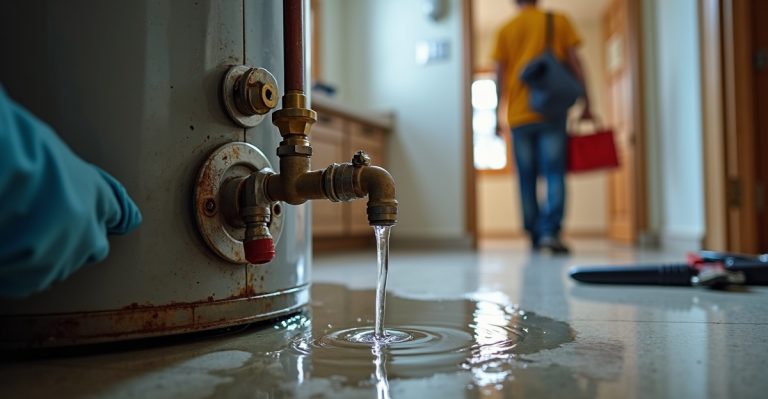
- Water around your drains: Puddles near sinks or the base of your toilet might point to a small leak.
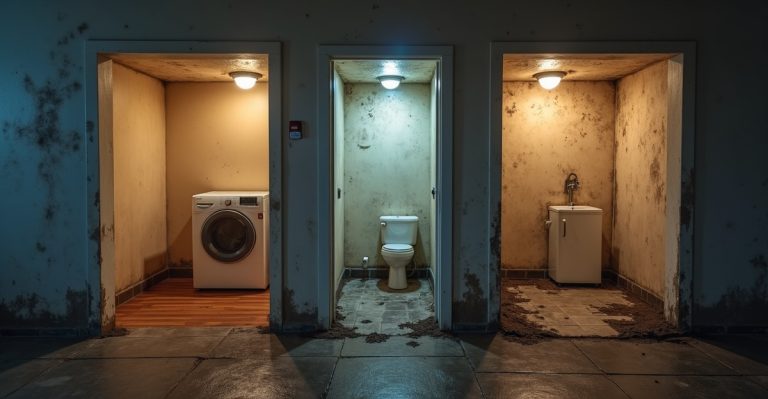
- Unexpected damp patches: Spots on walls, ceilings, or under tiles can be a sign of a hidden pipe crack.
In suburbs like Balmain or Ashfield, where many homes were built early last century, clay pipes are common. These can crack over time—especially under tiled kitchens or bathrooms—causing hidden leaks that go unnoticed until they cause serious damage.
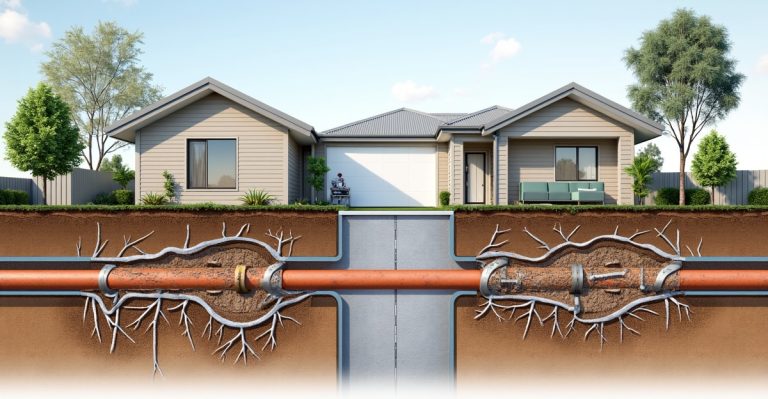
One major concern across Sydney is tree roots in pipes. Root intrusion is one of the top causes of blocked drains in leafy suburbs like the North Shore. Tree roots chase moisture and can slip through even the smallest gap in older pipes, eventually choking your line.
Not sure what’s going on with your drains? We’re happy to take a look. Acting early makes a big difference.
Quick Wins: Easy At-Home Maintenance Steps You Can Take Today
There are simple habits you can build into your routine that really do help. Here are a few plumbing maintenance tips we recommend for keeping your system healthy:
Everyday moves that protect your pipes
- Don’t pour fats or oils down the kitchen sink. They solidify and build up over time.
- Use a drain strainer to catch food scraps or hair before they go down.
- Flush your kitchen sink with hot water and a squirt of dish soap once a week to break down greasy buildup.
- Check under sinks for small leaks or moisture where pipes and hoses meet.
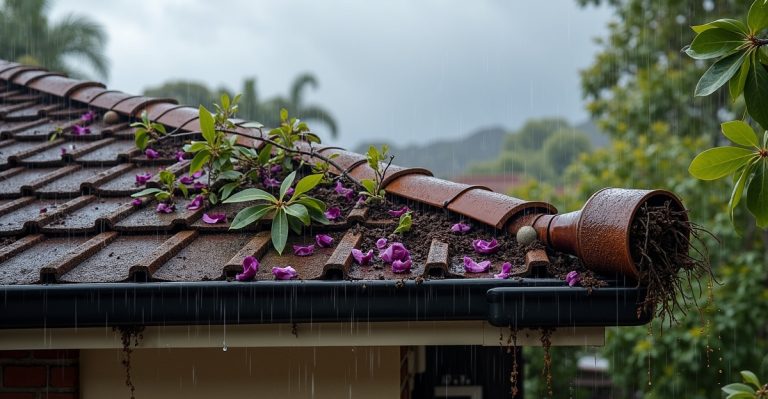
For outdoor plumbing, especially stormwater drains, regular clearing is key. We recommend clearing leaves, dirt and debris from grates or gutters—especially in autumn or before forecast rain. This is especially important if you’re in low-lying coastal suburbs like Botany, where blocked stormwater drains can quickly lead to flooding.
The pipe material in your home also matters. Many newer homes around Kellyville use PVC, a lightweight plastic pipe that holds up well—but it can warp if exposed to constant hot water. On the other hand, if you’re in an older Inner West terrace, your drains might be made of cast iron, which can corrode internally over time.
Want a handy reminder system? Download our free Plumbing Maintenance Checklist. It includes monthly and seasonal tasks that help you stay ahead.
What Not to Do: Habits That Can Wreck Your Plumbing
Some everyday habits can really mess with your plumbing without you even knowing it. Here’s what to avoid—and why.
- Too much chemical cleaner: Supermarket drain products might promise fast results, but if you use them constantly, they’ll start eating away at your pipes too.
- Flushing wipes—even “flushable” ones: These don’t break down properly and cause clogs further along.
- Pouring cooking oil or food scraps down the sink: Grease solidifies and traps bits over time.
- DIYing something you’re unsure about: A quick fix can turn into a costly disaster if anything goes wrong.
- Ignoring small leaks: A trickle now can mean a burst pipe later and major water damage.
Take the Concord family we helped last year. They’d been tipping leftover oil down the sink for months, not realising it was building a hard layer inside the pipes. One night, the kitchen backed up completely, flooding the floor. A professional clean sorted it out, but it could’ve been avoided.
Let’s quickly explain a few terms:
- Backflow: That means dirty water is reversing direction, which can happen if there’s a pressure drop in your clean water line.
- Pipe corrosion: That’s when rust or chemical wear inside the pipes creates weak spots or holes. Older metal pipes are especially prone.
Preventing these issues starts with building better habits. Need tips on how to avoid blocked drains in high-use areas? Our blog has you covered.
A Closer Look: Common Culprits Behind Sydney Plumbing Issues
Sydney’s unique mix of housing styles and environments means plumbing challenges vary from one suburb to the next. Here’s what we see causing the most trouble:
- Tree root intrusion: Big issue in established suburbs with older clay or terracotta piping—like Gladesville, Wahroonga or Beecroft. Cracks invite roots in, and once roots find water, they don’t leave.
- Grease build-up: In both homes and commercial kitchens, fats and oils coat the inside of pipes and trap other debris, slowly causing a blockage.
- Soil movement: In areas with clay-based ground such as Western Sydney, the soil expands and contracts with temperature and moisture changes. This can shift your pipes and cause cracks or joint failures.
- Scale and mineral deposits: Hard water—common in some parts of Sydney—leaves behind whiter crusty deposits inside pipes. Over time, this creates narrowings that reduce flow.
For businesses, it’s just as important to stay proactive. We often assist cafés with clogged grease traps around Newtown or Marrickville. Same for salons where hair and soaps build up fast in wash basins. Plumbing issues don’t just disrupt service—they can also lead to health risks or compliance fines.
Stay ahead with regular preventative plumbing inspections and servicing.
Smart Planning: Why Regular Maintenance Beats Emergency Repairs
Plumbing emergencies are stressful, messy, and usually expensive. Scheduled plumbing maintenance, on the other hand, gives you peace of mind without the drama.
Here’s a breakdown of what regular maintenance can include:
- CCTV drain inspection: A waterproof camera is sent into your lines to find roots, cracks or blockages before they escalate.
- Hydro jetting: High-pressure water is used to clean gunk, grease, and small roots out of pipes—kind of like a jet-wash inside your drains.
- Backflow testing: Ensures water isn’t flowing backward and potentially contaminating your clean supply.
This approach can prevent costly surprises. If you manage a strata block in Leichhardt or a medical clinic in Ryde, you’ll want reliability. Regular checks help avoid complaints, repairs after hours, or getting pinged by council inspections.
Whether you’re looking for routine tap repairs or full preventative checks, staying proactive is the smart way to go.
When to Call a Pro (and What to Expect)
Sometimes, a plunger or vinegar mix just won’t cut it. Here’s when to reach out for expert help:
- You’ve got a blockage that keeps coming back.
- There’s a strong smell coming from your drains or yard.
- You see signs of water damage—but don’t know where it’s coming from.
- Your water pressure has suddenly dropped.
- You suspect tree roots may be involved.
You don’t need to know exactly what’s wrong—just that something’s off. That’s where we come in. At In House Plumbing, we keep things simple. No-pressure inspections, honest advice, friendly team. If we find something, we’ll show you what it is and explain your options clearly.
In serious cases like split pipes underground, we can offer pipe relining—a trenchless method that repairs your damaged line from the inside. If it’s a backflow risk, we’ll take care of that too.
And if you’re dealing with a real emergency, like a burst pipe, visit our emergency plumbing Sydney page—we’ll get to you quickly and handle the job without stress.
Curious if your drains are due for a clean? Reach out and we’ll take a look—no pressure.