How to Prevent Bathroom Drain Odours for Good

Few things are more unpleasant than walking into your bathroom and catching that lingering drain smell—especially after you’ve just cleaned. If you’ve noticed bad odours returning time and again, you’re not alone. Many Sydney homeowners face this issue and want to know how to prevent bathroom drain odours for good—without wasting time or money on temporary fixes.
In this guide, you’ll learn what actually causes those unwanted smells, simple steps to keep your drains fresh, and when it’s time to call in a professional. Whether you’re dealing with a stubborn shower smell or planning ahead to stop it from coming back, this article will walk you through everything you need to know—clearly, simply, and with local expertise you can trust.
Here’s what we’ll cover:
- Why Does My Bathroom Smell Bad Even After Cleaning?
- 7 Ways to Prevent Odours in Bathroom Drains
- When You Should Call a Plumber About Smelly Drains
- Professional Solutions to Bathroom Drain Odours
- How Much Does It Cost to Fix a Smelly Bathroom Drain?
- Conclusion: Don’t Just Mask the Smell—Fix the Source
Let’s start by looking at why bathroom odours stick around even after cleaning—and what that means for your drains.
Why Does My Bathroom Smell Bad Even After Cleaning?
You’ve scrubbed the sink, wiped down the tiles, and lit a fresh candle—yet that unpleasant smell still lingers in your bathroom. It’s frustrating, but the truth is, some odours have nothing to do with surface-level cleanliness. If you’re trying to prevent bathroom drain odours and nothing seems to work, the problem could be deeper in your plumbing system.
Let’s break down what’s really going on behind the scenes.
Understanding How Bathroom Drains Trap Odours
Your drains aren’t just a path for water to flow out—they’re designed to block smells from flowing back in.
Every drain is fitted with a P-trap, which is the curved section of pipe under your sink, shower, or floor waste. It holds a small amount of water at all times, acting as a seal that stops unpleasant gases (like sewer gas smell) from rising up into your bathroom.
But if that trap dries out—often the case in a guest bathroom that doesn’t get used much—it can’t do its job. Once the water evaporates, the seal breaks and smells creep through.
The Real Reason Cleaning Doesn’t Always Work
You can bleach the basin and scrub the tiles all day long, but if the smell is coming from inside the drain, cleaning the outside won’t make a difference.
Here are a few hidden causes worth checking:
- Biofilm build-up: this slimy layer forms from soap, hair and toothpaste residue, clings to the inside of your pipes and can cause persistent drain odours over time.
- Partial blockages: Even a slight build-up of grime or grease can slow water flow, letting smells linger or back up. Consider having your drains inspected for any blocked drain symptoms that may be contributing to the issue.
- Poor ventilation: our home’s plumbing needs to “breathe” through vent pipes. If roof vent pipes are blocked by debris, air can become trapped and foul odours may be pushed into your bathroom.
- Cracked seals or leaks: Hidden issues behind walls or under tiles—like a loose fitting or small leak—can allow gases or moisture to escape, especially in older Sydney homes. If you suspect a hidden issue, a professional leak detection service may help pinpoint the cause.
- Stormwater misconnection: In some cases, plumbing systems may be incorrectly set up, causing crossflow between waste and stormwater pipes—something we’ve seen in older properties across the Inner West and Northern Beaches.
Key Takeaway:If your bathroom smells bad even after cleaning, chances are the issue lies deeper in the drain system—not on the surface. From dry P-traps to hidden leaks or ventilation issues, the cause isn’t always obvious, but it is fixable.
Before you reach for another air freshener, it’s worth understanding what’s happening in your pipes. In the next section, we’ll show you exactly how to stop these odours from starting in the first place—with simple, DIY-friendly steps that work.
7 Ways to Prevent Odours in Bathroom Drains
Once you understand what causes those lingering smells, the next step is knowing how to stop them from coming back. The good news? You don’t need fancy equipment or harsh chemicals to keep your bathroom smelling clean. A few simple habits can make all the difference.
Here are seven practical ways to prevent bathroom drain odours—most of which take just a few minutes a week.
DIY Odour Prevention That Actually Works
- Run Water Through Unused Drains
If you have a spare bathroom that rarely gets used, the P-trap under the sink or shower can dry out. That’s when sewer smells sneak in.
Quick fix: Run water down every drain for 30 seconds once a week to keep the water seal intact. - Pour Boiling Water Weekly
Boiling water helps loosen minor build-up and push it through the pipe. It’s a safe and effective way to freshen things up—especially in showers or basins.
Tip: Pour slowly down the drain to avoid splashback. - Use Baking Soda and Vinegar
This classic combo is one of the best natural drain cleaning solutions. It helps break down gunk and neutralise odours.
How to use:
- Pour half a cup of baking soda into the drain
- Follow with one cup of white vinegar
- Let it fizz for 10–15 minutes, then flush with hot water
- Clear Biofilm from Stoppers
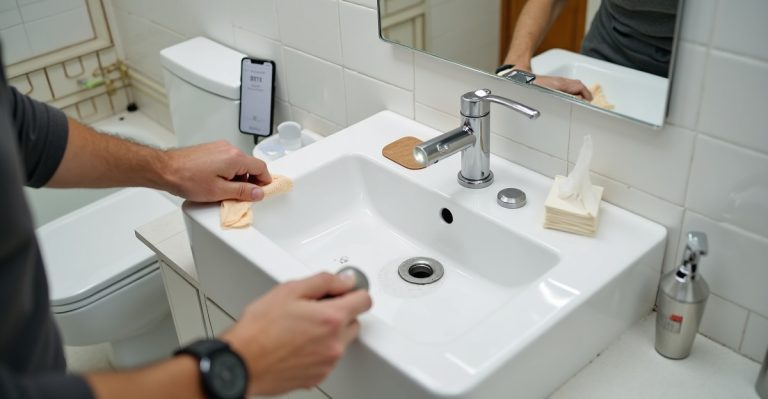
Ever removed the sink plug and found a slimy layer? That’s biofilm build-up, and it’s a major odour culprit.
Solution: Take out the stopper and scrub it weekly with hot soapy water and an old toothbrush. - Maintain Water in P-Traps
If you’re noticing a sewage-like smell and the bathroom hasn’t been used recently, it could be due to P-trap drying out.
Quick fix: Run the tap or pour a small jug of water into the drain. Some people also add a tablespoon of cooking oil to slow evaporation. - Avoid Pouring Grease or Hair Down Drains
Grease, soap scum, and hair are a recipe for bad smells and blockages. Over time, they lead to organic matter build-up that clings to pipe walls.
Prevent it: Use drain screens and never pour cooking oil down the sink or bathroom basin. - Keep the Bathroom Well-Ventilated and Dry
Trapped humidity can lead to bathroom mould and odour, especially around drains and tile edges.
Pro tip: Use an exhaust fan during and after showers, and dry down wet areas regularly.
Maintenance Tips for Busy Households
We get it—life gets hectic. But just a few quick habits can save you from bigger plumbing headaches down the track. Here’s a simple checklist to keep your bathroom smelling fresh all week long:
Quick Weekly Checklist for Fresh-Smelling Drains
- Run water through all drains
- Pour boiling water into sinks and showers
- Clean stoppers and drain grates
- Use baking soda + vinegar in one drain (rotate weekly)
- Wipe down wet areas to prevent mould
Key Takeaway: You don’t need harsh chemicals or expensive tools to stop bathroom sink smells naturally. With a little routine maintenance and the right know-how, you can eliminate bad smells from bathroom drains before they start.
When You Should Call a Plumber About Smelly Drains
Not every drain smell can be fixed with baking soda or boiling water. Sometimes, the issue goes deeper than surface-level grime—and that’s when it’s time to bring in a professional.
If you’ve tried all the usual fixes and the odour keeps creeping back, there may be an underlying plumbing issue that needs expert attention. Here’s how to tell when a smelly drain is more than just a minor inconvenience.
Red Flags That Suggest It’s Not Just Grime
If you notice any of the following signs, it could indicate a deeper issue inside your plumbing system:
- The smell keeps coming back—no matter what you try
If you’ve cleaned the drain, flushed it, and even used natural odour remedies but the stench returns within days, it’s likely not just surface build-up. - Slow draining or standing water
This could point to a partial blockage in the pipes—often the result of built-up hair, soap scum, or even tree root intrusion (classic blocked drain symptoms). Left untreated, this can lead to full blockages and serious damage. - Gurgling sounds or bubbling water
Hearing unusual noises from your sink, shower, or toilet when you use water elsewhere? This can mean air is trapped due to poor flow or drain pipe ventilation issues. It may also be a sign that your vent pipes (often routed through the roof) are blocked. - Foul smells from multiple drains at once
A persistent odour from shower drain, toilet, and sink at the same time could point to a sewer line issue or broken trap seal—problems you won’t see from the surface. - Suspected leaks or pipe damage
If there’s dampness, discoloured patches, or mould near your bathroom plumbing, a plumbing inspection for hidden leaks is a smart move. Small leaks can let in air (and smells), damage surrounding structures, and affect water pressure.
What a Professional Drain Assessment Involves
When DIY stops working, a licensed plumber can quickly get to the root of the issue—without the guesswork.
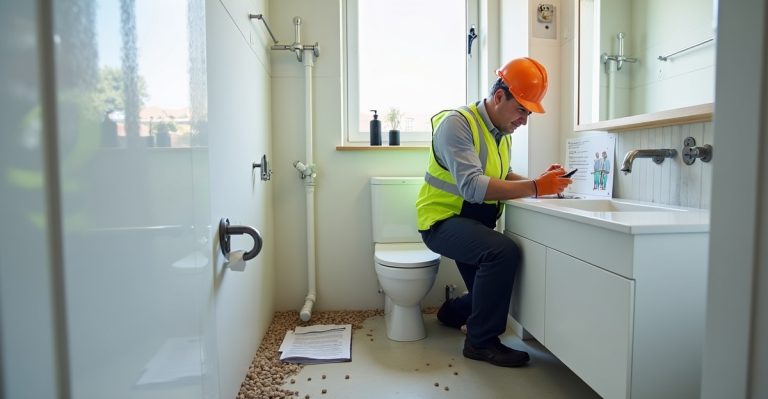
At In House Plumbing, we use advanced diagnostic tools like drain cameras and smoke testing to pinpoint the cause of stubborn smells. Whether it’s a cracked vent pipe, a blocked trap, or something deeper requiring pipe relining for smelly drains, we’ll give you a clear, honest explanation—along with upfront pricing.
Key Takeaway: If your bathroom smells bad and nothing seems to fix it, don’t ignore it. Plumbing odours can be a sign of bigger problems—like hidden leaks, poor ventilation, or partial blockages that only get worse over time.
Professional Solutions to Bathroom Drain Odours
If you’ve tried the DIY route and that musty or sewage smell still lingers, it’s time to bring in the professionals. At this point, the issue is likely more complex than a simple build-up—and solving it properly requires the right tools, training, and experience.
At In House Plumbing, we don’t guess. We diagnose, explain, and resolve the root cause with long-term solutions that are tailored to Sydney homes.
We Don’t Just Mask the Smell—We Fix the Source
When you call us for a persistent bathroom drain odour, the first step is always a thorough inspection. We use advanced tools like CCTV drain cameras to look inside your pipes without invasive digging. This helps us identify the exact problem—whether it’s a blockage, venting issue, or pipe damage—so we can fix it fast and properly.
Depending on what we find, your solution might include:
- Professional drain cleaning to remove stubborn biofilm, built-up soap scum, or small obstructions
- Clearing or repairing roof vent pipes, which allow sewer gases to escape and maintain proper airflow
- Pipe relining, a no-dig method that repairs cracked or damaged pipes from the inside—ideal for older Sydney homes with ageing infrastructure
These fixes go beyond quick fresheners or surface cleaning. They’re designed to stop the smell at the source and prevent it from returning.
What Makes Our Approach Different
When you book with In House Plumbing, you’re not just getting a job done—you’re getting a team that treats your home with respect, explains things clearly, and keeps you informed every step of the way.
Here’s what sets us apart:
- No guesswork: We rely on real diagnostics, not assumptions
- Upfront pricing: You’ll know the cost before we start—no surprises
- Licensed, experienced technicians: We’ve been servicing homes across Sydney for over 20 years
- Clean, tidy work: We leave your bathroom better than we found it
- Local expertise: We know Sydney’s plumbing quirks—from tight terrace homes in the Inner West to older cottages on the North Shore
Key Takeaway: Professional plumbing support isn’t just about “fixing pipes”—it’s about solving problems that affect your comfort and peace of mind. If odours keep coming back, the right tools and expertise can make all the difference.
How Much Does It Cost to Fix a Smelly Bathroom Drain?
We get this question a lot—“How much will it actually cost to get rid of this smell?” And it’s a fair one. Plumbing issues can be unpredictable, and no one wants to deal with hidden fees or unclear pricing.
At In House Plumbing, we believe in full transparency. Whether it’s a simple clean or something more complex, we’ll always explain the issue, walk you through your options, and give you an upfront quote before any work begins.
Understanding Drain Smell Repair Costs
The cost to fix a smelly bathroom drain in Sydney can vary depending on the cause. Here’s a general idea of what you might expect:
| Service | Estimated Cost Range (AUD) |
| Basic drain clean & odour treatment | $120 – $250 |
| Camera inspection for hidden issues | $180 – $350 |
| Roof vent pipe assessment & clearing | $250 – $450 |
| Minor leak repair or trap replacement | $200 – $400 |
| Pipe relining (for damaged underground pipes) | $800+ (depending on scope) |
Note: These are rough estimates. Your exact drain maintenance cost in Sydney will depend on factors like access, severity, and whether it’s part of a larger plumbing issue.
What’s included in our professional odour inspection?
- Thorough visual check of the bathroom and drain fixtures
- Testing water seals and P-traps
- Vent pipe assessment (if roof access is needed)
- Drain camera inspection (where necessary)
- Full diagnosis and clear explanation of next steps
How We Keep It Honest and Upfront
We know cost is one of the biggest concerns for homeowners—and we don’t believe in surprises. With In House Plumbing, you’ll always get:
- Clear pricing before we begin
- No call-out fees for many Sydney metro areas
- Transparent quotes with no upselling or fine print
- Genuine advice if the issue is minor and something you can fix yourself
As we like to say: Worried about hidden plumbing costs? We offer upfront quotes with no surprises.
Key Takeaway: Fixing a smelly drain doesn’t have to break the bank—especially when you deal with it early. Whether it’s a quick clean or something more involved, the key is to solve the root cause—not just cover up the odour.
Conclusion: Don’t Just Mask the Smell—Fix the Source
Persistent bathroom odours aren’t just annoying—they’re a sign that something deeper may be happening inside your plumbing. From dried-out P-traps and biofilm build-up to ventilation problems or hidden leaks, there are several reasons why that smell keeps coming back even after a good clean.
The good news? These issues are completely fixable.
Start with the simple stuff: run water through unused drains, try natural cleaning methods, and keep your bathroom dry and well-ventilated. Often, that’s all it takes to keep things fresh. But if the smell sticks around—or you’re noticing gurgling, slow drainage, or odours from multiple drains—it might be time to call in a professional.
At In House Plumbing, we don’t just mask the problem. We find it, fix it, and explain everything along the way—so you’re never left guessing.
Not sure where that smell’s coming from? We’re happy to take a look. Our trusted northwest Sydney plumbing team is ready to help with clear advice, upfront quotes, and long-term plumbing solutions you can trust.
Frequently Asked Questions
A clean bathroom can still smell bad if the issue lies inside your plumbing. Common causes include a dried-out P-trap, biofilm build-up, or sewer gas smell caused by poor drain ventilation. Surface cleaning won’t fix these—addressing the internal plumbing is key.
Sewer gas smells often come from ventilation issues, damaged or dry P-traps, or hidden leaks in your plumbing system. When the seal in your drains is broken or pipes aren’t vented correctly, foul gases can escape into your bathroom.
You can prevent odours with a few simple habits:
Flush unused drains weekly
Pour boiling water down drains
Use baking soda and vinegar as natural drain cleaning solutions
Clean drain stoppers to remove biofilm build-up
These DIY steps help maintain fresh-smelling drains without harsh chemicals.
If the smell returns despite regular cleaning, or you notice gurgling sounds, slow drainage, or odours from multiple drains, it’s time to call a professional. These are signs of a deeper issue—like a blocked vent, cracked pipe, or sewer line problem—that DIY fixes can’t resolve.
The cost to fix a smelly bathroom drain varies depending on the issue. A basic clean might cost $120–$250, while inspections or repairs like pipe relining can be more. At In House Plumbing, we offer upfront quotes with no surprises, so you’ll always know what to expect.